



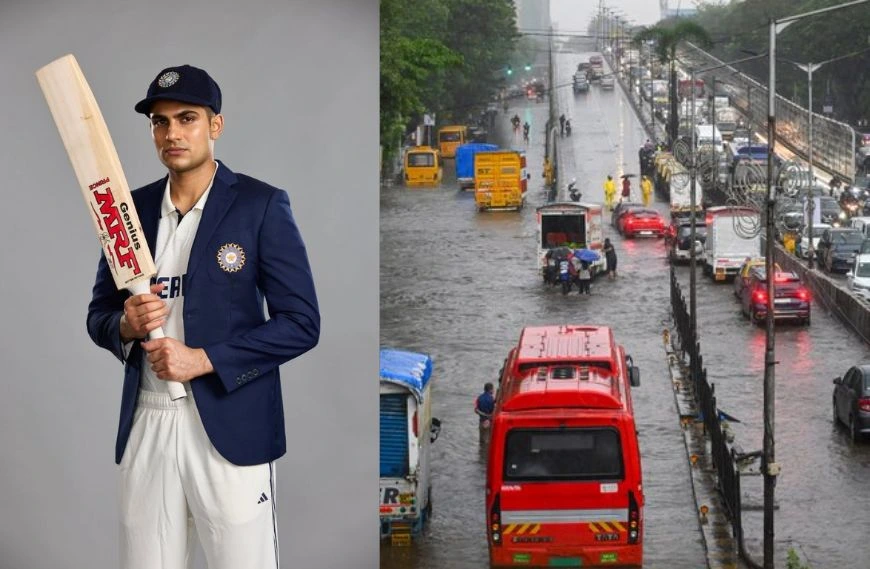
Shubman Gill’s Leadership Test Draws Graeme Smith Comparisons
Shubman Gill makes his highly anticipated debut as Test captain beginning June 20, 2025, in England—an immense responsibility following retirements of Rohit Sharma and Virat Kohli. Comparisons with Graeme Smith, who took charge of the South African side as a 22-year-old in England in 2003, are already surfacing. Smith faced hostile weather, fierce bowlers, and leadership crises, yet retained composure to steer his team through tough tours—setting a template for young captains.
Gill’s build-up has been meticulous. Analysts note his calm demeanor, strategic field placements, and proactive engagement with senior pros like Ravindra Jadeja and Jasprit Bumrah. Former India coach Gary Kirsten observed that “he’s got the temperament and cricketing brain,” likening him to Rohit Sharma. Ex-England captain Graham Gooch added that captaincy is the “greatest honour” in the game and saw no undue pressure on Gill
Yet, England’s seaming conditions, unpredictable weather, and a disciplined Stokes-led lineup demand maturity and tactical nuance. Gill’s ability to galvanize a youthful batting line-up, backed by Dhoni-like calm, will define whether he mirrors Smith’s early triumphs. As Kohli and Rohit bow out, Gill must shape a fresh identity, reinforcing India’s red-ball dominance abroad.
Israel-Iran Conflict Escalation Triggers Indian Evacuations
Amid rising Israel–Iran tensions that began mid-June, India launched Operation Sindhu to secure repatriation of its citizens from Iran and neighbouring regions. On June 17, 110 Indian students from Urmia Medical University crossed into Armenia and were flown to Delhi the next day .
The Ministry of External Affairs confirmed parallel corridors via Turkmenistan, with emergency embassy helplines ensuring real-time monitoring. Minister Kirti Vardhan Singh emphasised swift, safe operations amidst Iran’s infrastructure disruptions and hundreds of casualties.
Evacuees recounted harrowing missile and drone strikes near Tehran, reflecting the conflict-triggered imperative. With approximately 4,000 Indians still in Iran—nearly half students—India plans further flights. Drawing comparisons to 2022’s Operation Ganga (Ukraine), this effort underscores India’s growing proficiency in crisis diplomacy and regional assurance.
Mumbai Weather Alert: IMD Issues Yellow Warning for Continued Heavy Rainfall
Mumbai braces for widespread heavy rainfall on June 19, 2025, after the IMD issued a yellow alert, forecasting over 100 mm showers. Overnight downpours soaked Kurla, Lalbaug, Byculla, and CSMT, triggering waterlogging and traffic snarls across suburban arteries.
Central and Harbour Line trains are running late due to flooded tracks; commuters advised to expect delays . Civic authorities deployed emergency teams in Dharavi, Malad, and vulnerable hilly regions. Schools and offices may temporarily shift to remote attendance.
The weekly forecast predicts persistent showers through June 23–24, with temperatures expected between 25–32 °C. Early monsoon rains are essential for reservoir recharge, but residents are urged to stay alert via IMD app and local advisories. Holistic preparedness—from drainage management to medical readiness—is critical today.
NASA, DoD Run Critical Abort Simulations for Artemis II Lunar Mission
NASA and U.S. Department of Defense conducted critical abort simulations for the Artemis II mission on June 11–12, rehearsing pad-stage ejection and at-sea astronaut rescue scenarios. A mock Orion crew module with mannequins underwent a simulated off-pad abort. Navy helicopters launched from Patrick Space Force Base, with Air Force pararescue teams retrieving personnel at sea.
These drills tested interagency protocols—Kennedy and Johnson Space Centers, mission controllers, and DoD rescue units—under simulated stress conditions, essential for astronaut safety ahead of the first crewed lunar mission since Apollo. Scheduled for late 2025 launch, Artemis II forms the backbone of NASA’s lunar campaign.
These rehearsals validate systems across stages—from pad anomalies to in-flight malfunctions—while reinforcing cooperation between civilian and military bodies. As NASA advances its Moon ambitions, such drills enhance reliability and mission resilience.
Nothing Phone 3 Promises 7-Year Security and Android Support
Nothing confirmed that the upcoming Phone 3, launching July 1, 2025, will receive an unprecedented 5 years of Android OS updates and 7 years of security patches—a milestone for mid-range Android devices
Built on Snapdragon 8s Gen 4, the Phone 3 promises boosted GPU, NPU, ISP, and connectivity performance. Co-founder Akis Evangelidis noted that the shift away from Snapdragon 8 Gen 3 avoids default 4+4 years support, enabling the enhanced 5+7 cycle .
This is Nothing’s strongest commitment yet—compared to Phone 2 (3+4) and Phone 3a Pro (3+6). Rivals like Google and Samsung also offer seven years but on flagships; Nothing’s move could influence broader market trends toward phone longevity.
The device features a 6.77″ LTPO AMOLED screen, 32 MP selfie camera, and dual-tone finish—positioned for users favoring durability and future-proofing. With this policy, Nothing aims to attract environmentally conscious consumers and skeptics of planned obsolescence.
Meta Introduces Passkeys for Facebook Accounts
Meta has released passkey support for Facebook and soon for Messenger, enabling login via fingerprint, Face ID, or PIN instead of passwords—significantly enhancing user security
Built on FIDO/WebAuthn standards, passkeys generate domain-specific cryptographic keys stored only on the user’s device. This eliminates keylogging, credential theft, and phishing risks tied to traditional passwords
Meta confirms rollout on Android & iOS soon—with Messenger integration following. Setup occurs in Account Center → Password & Security → Passkeys. Users retain the option to use legacy passwords, 2FA, or physical security keys. Additionally, passkeys will streamline Meta Pay logins .
This move follows industry-wide adoption by Apple, Google, Microsoft, WhatsApp, and others, marking a shift toward passwordless, phishing-resistant authentication.
