



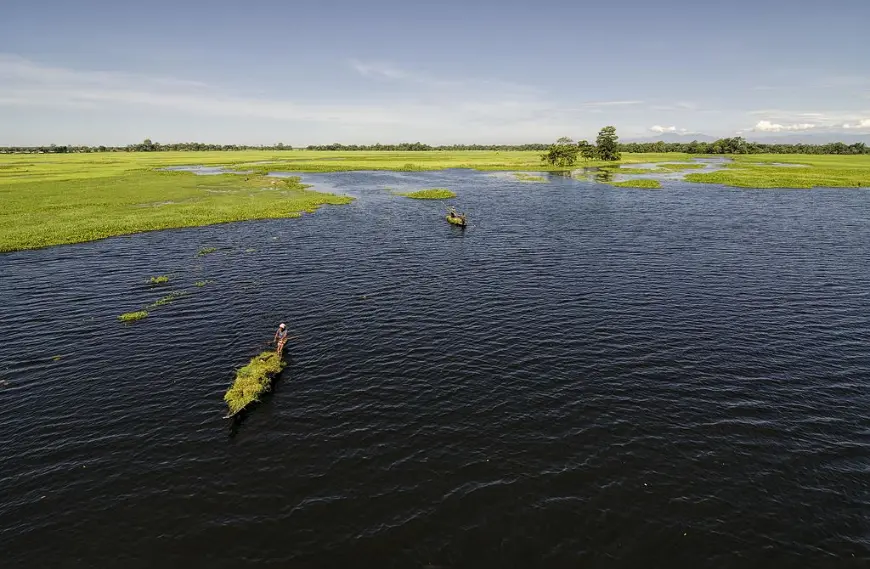
Majuli is a beautiful and unique tourist spot in India. It is the largest river island in the world, located in the Brahmaputra River in the Jorhat district of Assam, in the northeastern part of the country. This peaceful island is about 20 kilometers upstream from Jorhat town and around 200 kilometers east of Guwahati, the capital city of Assam. Surrounded by water, it feels like a hidden gem away from the busy world.
This place is perfect for people who love nature, culture, and quiet adventures. If you enjoy exploring old traditions, watching birds, or staying in simple homestays, Majuli will make you happy. Spiritual seekers, artists, and eco-tourists often fall in love with it because it’s not crowded like big cities. Families looking for a calm vacation or photographers capturing scenic views will also find it amazing. It’s great for anyone who wants to slow down and connect with real rural life.
Majuli is famous for its rich cultural heritage and natural beauty. It is a center for neo-Vaishnavism, a form of Hinduism started by saint Srimanta Sankardev in the 15th century. The island has many ancient satras, which are like monasteries where people learn art, music, and dance. One special thing is the mask-making craft artisans create colorful wooden masks used in traditional plays. The Sattriya dance, a classical Indian dance from Assam, started here too. Majuli is also known for its biodiversity, with wetlands full of migratory birds. Sadly, the island is shrinking due to river erosion, from over 1,250 square kilometers to about 350 now, but it’s still a UNESCO-recognized site for its living traditions. What makes it extra special is how it blends spirituality with nature. Visitors can join festivals or just relax by the river.
Getting to Majuli is an adventure in itself. From Guwahati, it’s about 200 to 342 kilometers away, and the trip takes 5 to 7 hours by road. The best route is through Jorhat, which has an airport and good train connections. From Guwahati, take a bus or train to Jorhat (about 5-6 hours). Then, from Jorhat, go to Nimati Ghat, which is just 10-15 kilometers away. You can use a taxi, auto-rickshaw, or bus for ₹100-200. At the ghat, catch a ferry across the Brahmaputra River. The ferry ride lasts 1 to 1.5 hours and costs ₹50-100 per person. Ferries run from 7 AM to 4 PM, more often in winter. Avoid the rainy season (June to September) because of floods; October to March is the best time. There’s no bridge, so the boat ride adds to the fun!
Food in Majuli is simple and tasty, made from fresh local ingredients. It’s mostly Assamese style, with lots of rice and river fish. Try Masor Tenga, a sour fish curry with tomatoes or fruits like elephant apple. It’s tangy and delicious. Khar is another unique dish, made with banana ash for an earthy taste, often with vegetables or meat. For snacks, have Pithas, which are steamed rice cakes filled with coconut or sesame. The Mishing tribe, who live here, love bamboo shoot curries, smoked fish, and Apong, a homemade rice beer. Pork dishes are popular for non-vegetarians, but there are plenty of veggie options too because of the Vaishnavite influence. Eat at homestays or small eateries for a homemade thali meal, costing ₹150-250. It’s healthy, light, and full of flavors from the river and fields.
Traditions in Majuli are all about community and devotion. The satras host Bhaona, which are plays based on Hindu stories, with actors wearing big masks and costumes. During festivals like Raas Leela on full moon nights, people dance and sing to honor Lord Krishna. Crafts like weaving textiles and making terracotta pots are passed down through families. The Mishing people build houses on stilts to stay safe from floods and celebrate with songs and dances. The best thing about the people here is their warm hospitality. They are simple, kind, and always ready to share their home or a story. Even with challenges like erosion, they stay positive and protect their culture. Visitors often say they feel like family, which makes Majuli more than just a place; it’s a heartfelt experience.
In my view, Majuli teaches us about living in harmony with nature. With climate change making erosion worse, supporting eco-tourism here can help preserve it for the future. If you visit, remember to respect the environment and locals. It’s a spot that refreshes your soul. Plan a trip soon and see why Majuli is Assam’s hidden treasure!
