



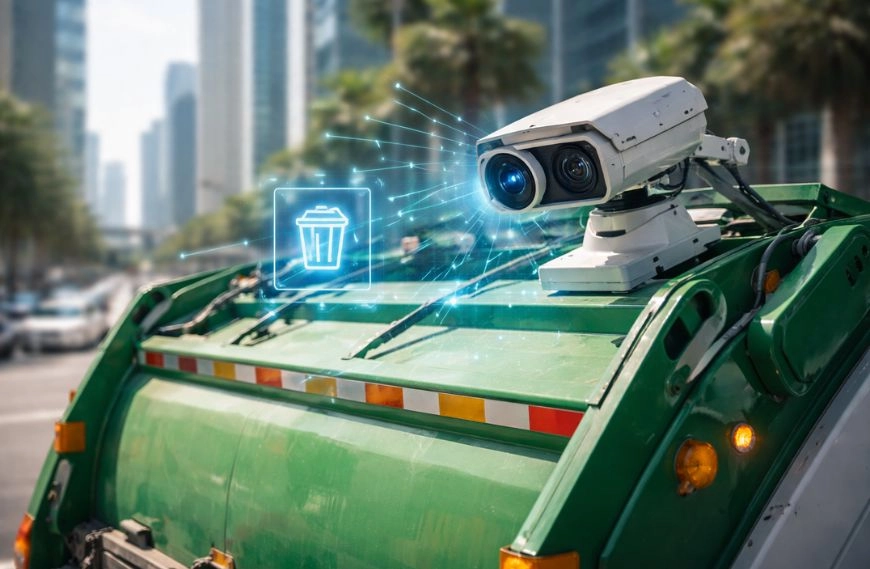
Dubai has introduced a pioneering initiative to tackle littering and maintain public cleanliness by deploying AI-powered cameras on waste collection and transportation vehicles. The system is designed to detect littering, illegal dumping, and improper disposal of bulky items in real time. Offenders face fines of up to Dh500, reflecting the authorities’ commitment to maintaining high standards of urban hygiene and public accountability.
Traditionally, enforcement against littering depended on manual observation and citizen reports, which often delayed action and allowed waste to accumulate in streets, residential areas, and public spaces. By contrast, the new AI cameras analyse images instantly, providing municipal teams with immediate alerts when a violation occurs. This enables authorities to respond promptly, issue fines, and reduce disputes, thanks to precise documentation including photographic evidence, time, and location.
Dubai Municipality has emphasised that the initiative is part of the city’s Integrated Waste Management Strategy 2041, which aims to enhance sustainability, improve urban quality of life, and foster civic responsibility among residents. Marwan Ahmed bin Ghalita, Director-General of Dubai Municipality, stated that integrating AI into waste management not only increases operational efficiency but also allows data-driven decisions that benefit the entire city. The cameras also help guide strategies for better waste collection, street cleaning, and long-term environmental planning.
Privacy considerations have been central to the project. Officials assure residents that the cameras capture only necessary data for enforcing fines and monitoring littering behaviour. This approach ensures that the system operates responsibly, balancing the benefits of technological enforcement with respect for individual rights and public trust.
The initiative also positions Dubai as a global leader in smart city innovation. By combining AI technology with civic regulation, the emirate demonstrates how urban governance can evolve to meet the challenges of rapid development, population growth, and environmental sustainability. The project not only aims to keep the city clean but also encourages residents and visitors to adopt more responsible behaviour in public spaces.
Dubai’s move illustrates how technology can support modern urban management while promoting accountability and environmental awareness. As cities worldwide face similar challenges in waste management and public cleanliness, Dubai’s approach offers a model for leveraging AI to improve quality of life, protect public spaces, and enforce regulations efficiently. The real-time monitoring system represents a step forward in creating smarter, cleaner, and more sustainable cities, blending innovation, enforcement, and civic engagement.
Subscribe Deshwale on YouTube
