



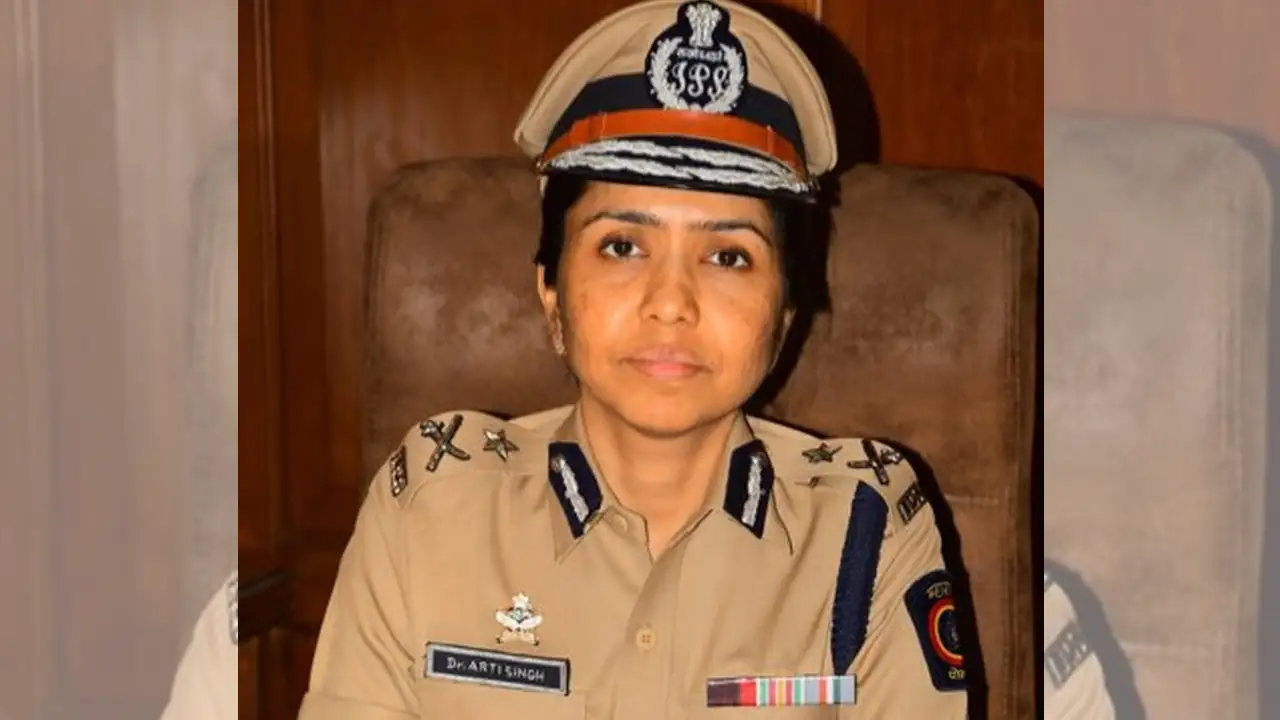
In a landmark moment for Mumbai’s police force, Aarti Singh has become the first female Joint Commissioner of Police (Intelligence) in the city’s history. This appointment not only sets a precedent in a traditionally male-dominated role, but also signals the growing presence of women in high-ranking law enforcement positions.
Aarti Singh, a 2004 batch Indian Police Service (IPS) officer, brings with her years of frontline policing experience, strategic insight, and an impressive track record of fieldwork in challenging districts. Her elevation to one of the most critical positions in Mumbai Police reflects both institutional trust and the evolution of leadership roles in Indian policing.
Who is Aarti Singh?
Aarti Singh joined the IPS in 2004 and was allotted the Maharashtra cadre. Over the years, she has held several important posts in the state, including Superintendent of Police (SP) in Nanded, Solapur, and Mumbai Railways. She has also served as the Deputy Commissioner of Police (DCP) in Mumbai’s tough zones, dealing with high-crime areas and sensitive cases.
Known for her hands-on policing style, Singh is widely respected for her tactical acumen and people-first approach. In various assignments, she’s tackled everything from communal tensions to organised crime. Her past roles have also involved handling intelligence and counter-terrorism functions—skills critical for her new post.
Why This Role Matters
The Joint Commissioner of Police (Intelligence) is a pivotal position in Mumbai Police. The department handles internal security, intelligence gathering, and threat assessments. This division works closely with other security agencies to monitor sensitive developments and pre-empt security risks in Mumbai—a city that has seen several terror-related incidents in the past.
Singh’s appointment to this post is significant not just symbolically, but also operationally. She becomes the go-to officer for intelligence briefings, strategic coordination, and surveillance operations across the city.
Career Highlights
- 2004 IPS batch, Maharashtra cadre
- Former SP, Nanded and Solapur
- Former DCP, Mumbai Crime Branch
- Experience with counter-insurgency, intelligence gathering, and law and order
- Lauded for handling high-pressure assignments in communal tension zones
What This Means for Mumbai Police
Aarti Singh’s rise coincides with increased efforts to modernise Mumbai Police’s intelligence apparatus, especially in areas such as cyber intelligence, digital surveillance, and urban crime analytics. Her leadership may bring a fresh perspective to how intelligence data is gathered and utilised.
Her appointment also highlights Maharashtra’s commitment to improving gender representation in top policing roles. It shows the possibility of inclusive leadership in sectors that have long resisted change.
Challenges Ahead
Singh takes charge at a time when Mumbai’s security environment is complex. The city faces threats ranging from cybercrime, terrorism, gang activity, to communal flare-ups. The intelligence wing is expected to work behind the scenes, quietly intercepting threats before they materialise.
With the Lok Sabha elections nearing, Singh’s role becomes even more sensitive. Election-time policing often sees increased political pressure, misinformation campaigns, and higher surveillance demands—all falling under her department’s radar.
A Milestone for Women in Uniform
While women have long been part of the police force, top intelligence roles have rarely been entrusted to them. Singh’s promotion is not just a personal achievement, but a signal to many young women in uniform that leadership opportunities are expanding.
Her work may pave the way for more gender-balanced leadership structures in Indian policing, inspiring systemic reforms and encouraging more women to pursue IPS careers.
