








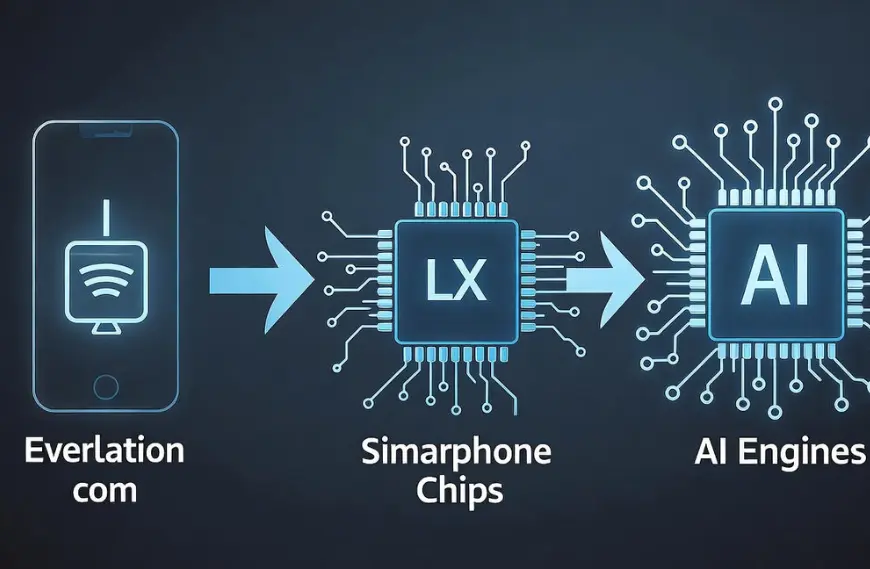
For years, Qualcomm has been the quiet force behind our phones and laptops, making the chips that power calls, texts, videos, and browsing possible. Based in San Diego, the company built its reputation through mobile and PC processors that shaped the modern digital experience. But now, Qualcomm is stepping into a whole new world. It is moving from the palm of your hand to the heart of powerful data centres that run artificial intelligence. This shift shows how quickly the tech industry is evolving and how Qualcomm is reinventing itself to stay ahead.
Qualcomm became a household name through its dominance in smartphone chips. Its processors made phones faster, smarter, and more efficient, driving much of the progress from 4G to 5G. For years, that business kept growing, but as the smartphone market began to slow, Qualcomm realised it needed a new direction. The next big opportunity was clear artificial intelligence. The company saw how AI was transforming industries, from chatbots to self-driving cars, and decided to be part of that change.
Today, Qualcomm is aiming to build the chips that power AI inside massive data centres. These are the huge computer networks that train and run machine learning models. The company’s new processors focus on what’s called ‘inference’ , the stage where AI uses its training to make predictions or generate results. By entering this space, Qualcomm is directly competing with industry giants like Nvidia and AMD, both of which already dominate the AI-chip market. In short, Qualcomm is moving from making chips for your pocket to building the engines that drive the world’s most advanced computers.
This transformation matters for several reasons. First, it highlights how the centre of computing power is shifting. Instead of just relying on devices that we can see and touch, more of the real work now happens in massive data centres behind the scenes. Second, Qualcomm’s experience in building energy-efficient smartphone chips could give it an advantage in AI computing, where saving power and managing heat are huge challenges. And third, its entry into the market could increase competition, leading to faster innovation, lower costs, and more accessible AI technology for businesses and consumers.
However, the road ahead will not be easy. Qualcomm is entering a game where Nvidia and AMD have a big head start. These companies already have established partnerships, proven hardware, and deep connections with data-centre clients. Qualcomm will have to build trust, scale production, and show that its chips can deliver reliable performance at the highest levels. Competing in such a demanding field will take time, investment, and consistent results.
For tech enthusiasts, this story is exciting because it reminds us that innovation does not only happen in consumer gadgets. It also happens deep within the infrastructure that makes technology possible. The same company that made your phone fast may soon help power the servers running your favourite AI chatbots, video generators, and virtual assistants. It’s a powerful reminder that the future of technology is not just in our hands, but also in the machines that think for us.
Qualcomm’s journey from a mobile-chip leader to an AI-engine challenger is a story of transformation and courage. It reflects how technology companies must keep evolving to survive in an industry that never stops changing. The stakes are high, the competition is fierce, and success is far from guaranteed. But one thing is clear: Qualcomm’s willingness to adapt could help shape the next chapter of the AI revolution. In this new era, the real power lies not just in the devices we use but in the unseen servers that drive them, and Qualcomm wants to be right at the centre of it.
Subscribe Deshwale on YouTube