









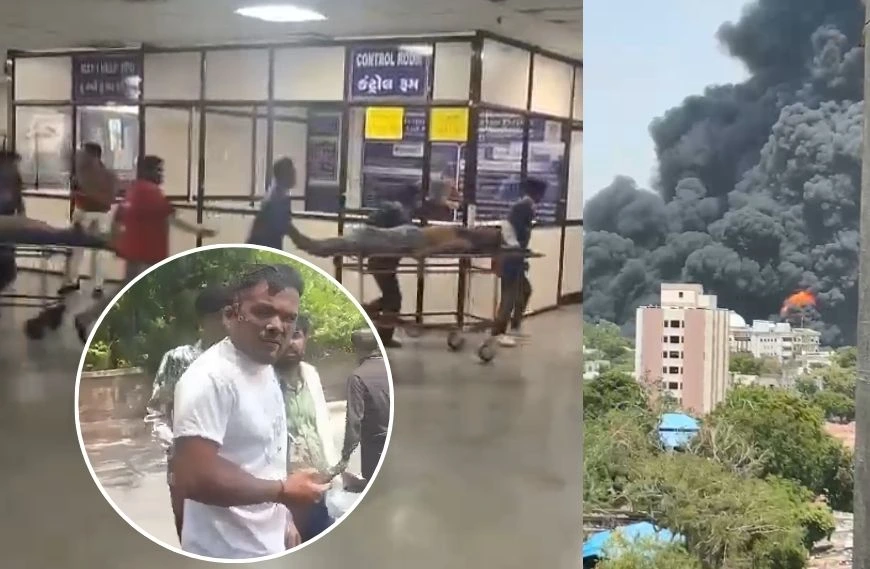
The sky above Ahmedabad shimmered with promise on 12 June 2025. Air India Flight 171 soared, carrying 242 dreams. Families waved, hearts full of hope. Moments after takeoff, the Boeing 787 Dreamliner crashed into a bustling suburb. Only one survivor, Vishwash Kumar Ramesh, emerged from the wreckage. The disaster claimed 241 lives on board and countless others on the ground. It stands as the world’s deadliest plane crash of 2025. This is not just a tale of loss. It is a reflection of India’s aspirations, vulnerabilities, and resilience. What does this tragedy reveal about our faith in the skies? How does it challenge our pursuit of progress? And why does it resonate so deeply with every Indian?
The crash site was a scene of devastation. Smoke choked Ahmedabad’s vibrant streets. Homes collapsed, lives shattered. Rescuers worked tirelessly, racing against time. The nation watched, gripped by grief. For Indians, flying is more than travel. It is a symbol of ambition. From small-town students to global professionals, the skies bridge dreams to reality. Yet, this crash exposed a stark truth. Even cutting-edge aircraft can fail. The Boeing 787, a marvel of engineering, became a symbol of fragility. Why did this happen? Early findings suggest engine failure. Investigations continue, probing for design flaws, human error, or oversight lapses.
India’s aviation industry is soaring. Over 300 million passengers fly yearly. Airports, from Mumbai to Imphal, gleam with modernity. Yet, Flight 171’s crash reveals cracks in this progress. India operates 153 airports, but safety standards vary. The Directorate General of Civil Aviation struggles with oversight. A 2023 audit highlighted outdated maintenance at regional hubs. Ahmedabad, a key airport, faced similar issues. This tragedy forces a question: are we chasing growth at safety’s expense? The answer stings. India’s aviation sector grows 10% annually, but safety upgrades trail behind. This gap is not just technical. It is a matter of priorities.
The human cost is heart-wrenching. Families lost loved ones in seconds. Ahmedabad’s lively streets turned silent. Vishwash, a British-Indian student, became a beacon of hope. His survival captivated the nation. Social media buzzed with prayers and theories. The grief crossed borders. In Tamil Nadu, a mother mourned her engineer son. In Rajasthan, a family grieved their daughter, a crew member. The crash united Indians in sorrow. It reminded us of our shared humanity. When disaster strikes, we all feel the pain. This was not just Gujarat’s loss. It was India’s.
The tragedy echoes past disasters. In 2009, Y.S. Rajasekhara Reddy’s helicopter crashed in Andhra Pradesh. In 2011, Dorjee Khandu’s chopper vanished in Arunachal’s hills. These losses shook India’s trust in aviation. Flight 171 feels both unique and familiar. It was a commercial jet, not a small aircraft. It carried everyday people, not just leaders. Yet, the wounds are similar. Each crash erodes confidence. If Air India, a national carrier, can fail, what of smaller airlines? What of remote routes in the Northeast? The questions demand answers.
A deeper issue surfaces: our bond with technology. India celebrates innovation. From Chandrayaan’s lunar triumphs to UPI’s digital revolution, we embrace progress. The Boeing 787 promised efficiency and comfort. Yet, technology is not foolproof. Human error drives 80% of aviation accidents. Pilots face relentless pressure. Maintenance crews battle tight schedules. Air traffic controllers juggle crowded skies. Flight 171’s early reports hint at a missed maintenance check. Was it negligence or exhaustion? The truth is vital. India’s aviation workforce is skilled but overburdened. We cannot ignore the human toll of ambition.
The crash also reveals cultural truths. In India, flying is a privilege and a dream. For many, it is a gateway to opportunity. Flight 171’s passengers were diverse: students, workers, families. Their stories mirror India’s aspirations. A young doctor was heading to London. A family was returning from a wedding. Their loss feels personal. It evokes memories of Diwali reunions, of dreams carried aloft. Yet, it also sparks fear. Social media reflects rising unease about air travel. “Is flying safe?” ask users on X. The question echoes in every Indian home.
Globally, 2025 was grim for aviation. A collision over Washington, D.C., killed 67. A medical jet crashed in Philadelphia, claiming seven lives. A Cessna vanished in Alaska, killing 10. Yet, Flight 171’s scale sets it apart. Its impact in India’s heartland amplifies its weight. The National Transportation Safety Board notes aviation accidents are rare, with 1.13 incidents per million flights. But numbers offer no solace. For Indians, this crash is a wound, not a statistic. It cuts deep, stirring both grief and resolve.
What lessons emerge? Accountability is essential. Past investigations, like YSR’s, were vague. Flight 171 demands clarity. The Civil Aviation Ministry must deliver answers swiftly. Families deserve truth, not delays. Safety reforms are urgent. Advanced radar, rigorous training, and modern fleets are critical. India’s aviation growth must match its safety standards. We must also rethink progress. Technology serves us, not the other way around. Human lives must come first. This crash calls for balance between ambition and caution.
India’s resilience shines through. After the 2010 Mangalore crash, we rebuilt. After Flight 171, Ahmedabad grieves but endures. Candlelight vigils illuminate Gujarat’s streets. Communities support survivors. Vishwash’s story inspires hope. His survival reflects life’s fragility and strength. India will heal, but not unchanged. This tragedy demands reflection. It urges us to honour the lost by building safer skies. The next flight must carry trust, not fear.
As Ahmedabad’s skies darken, candles glow for the 241 lost souls. Their dreams soared with India’s ambitions. Flight 171 reminds us that progress is precious but perilous. It challenges us to question systems, seek truth, and value life. The skies will beckon again. When they do, let them carry us safely home.


