






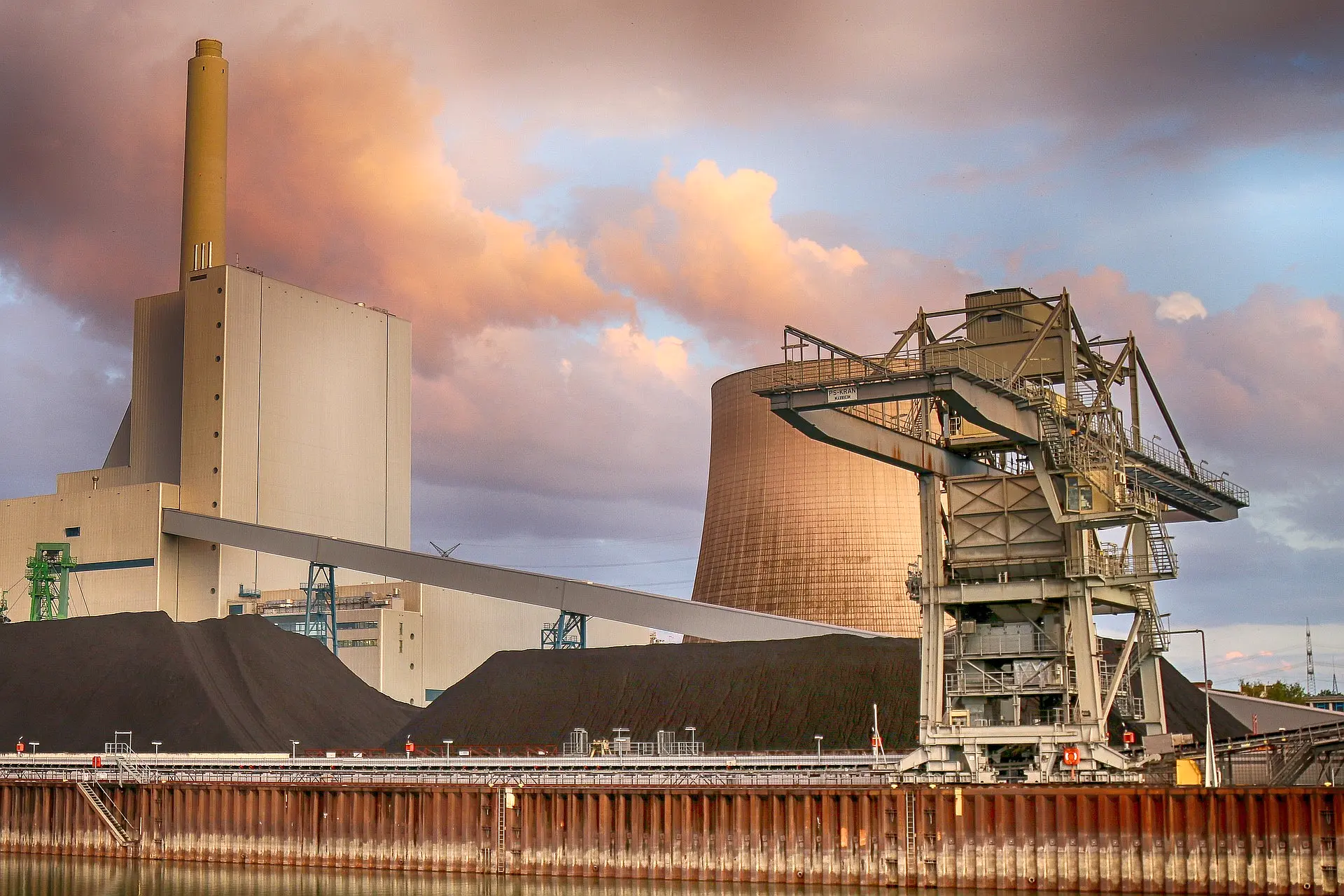
In an era defined by climate change, the term ‘carbon footprint’ has become a critical measure of our environmental impact. From driving cars to powering our homes, nearly every activity releases greenhouse gases (GHGs), primarily carbon dioxide (CO₂), into the atmosphere. These emissions contribute to global warming, rising sea levels, and extreme weather events.


Understanding and reducing our carbon footprint is no longer optional, it’s a necessity. This article delves into what a carbon footprint is, its causes, its far-reaching effects, and actionable steps individuals, businesses, and governments can take to mitigate it. Let us understand it step by step.
What Is a Carbon Footprint?: A carbon footprint is the total amount of greenhouse gases emitted directly or indirectly by an individual, organisation, event, or product. It’s typically measured in metric tons of CO₂ equivalent (CO₂e) per year.
Types of Carbon Footprints:
1. Personal Carbon Footprint – Emissions from daily activities like commuting, energy use, and diet.
2. Corporate Carbon Footprint – Emissions from a company’s operations, including manufacturing, logistics, and energy consumption.
3. National Carbon Footprint – Total emissions from a country’s industries, transportation, and energy sectors.
4. Product Carbon Footprint – Emissions generated throughout a product’s lifecycle, from raw material extraction to disposal.
Major Greenhouse Gases:
– Carbon Dioxide (CO₂): Released from burning fossil fuels, deforestation, and industrial processes.
– Methane (CH₄): Emitted by livestock, landfills, and oil and gas extraction.
– Nitrous Oxide (N₂O): Produced by fertilisers, waste treatment, and industrial activities.
– Fluorinated Gases: Used in refrigeration and industrial applications, with a high global warming potential.


The Biggest Sources of Carbon Emissions
Energy Production:
– Fossil fuels like coal, oil, and natural gas dominate global electricity and heat production.
– Electricity and heat generation account for nearly 40% of global CO₂ emissions.
– Transitioning to renewable energy sources like solar, wind, and hydropower is crucial.
Transportation
– Cars, trucks, ships, and aeroplanes rely heavily on fossil fuels.
– Transportation contributes around 25% of global emissions.
– Electric vehicles (EVs) and improved public transport systems can significantly reduce emissions.
Agriculture and Food Production
– Livestock farming is a major source of methane emissions.
– Deforestation for agriculture reduces the planet’s capacity to absorb CO₂.
– Food waste exacerbates emissions as decomposing organic matter releases methane.
Industrial Manufacturing
– Factories emit CO₂ through fuel combustion and chemical processes.
– Cement production alone accounts for 8% of global CO₂ emissions.**
– Sustainable manufacturing practices and carbon capture technologies are key solutions.
Household and Consumer Habits
– Home energy use (heating, cooling, appliances) significantly contributes to emissions.
– Overconsumption and fast fashion generate excessive emissions from production and transportation.
– Reducing waste and opting for sustainable products can lessen individual impact.

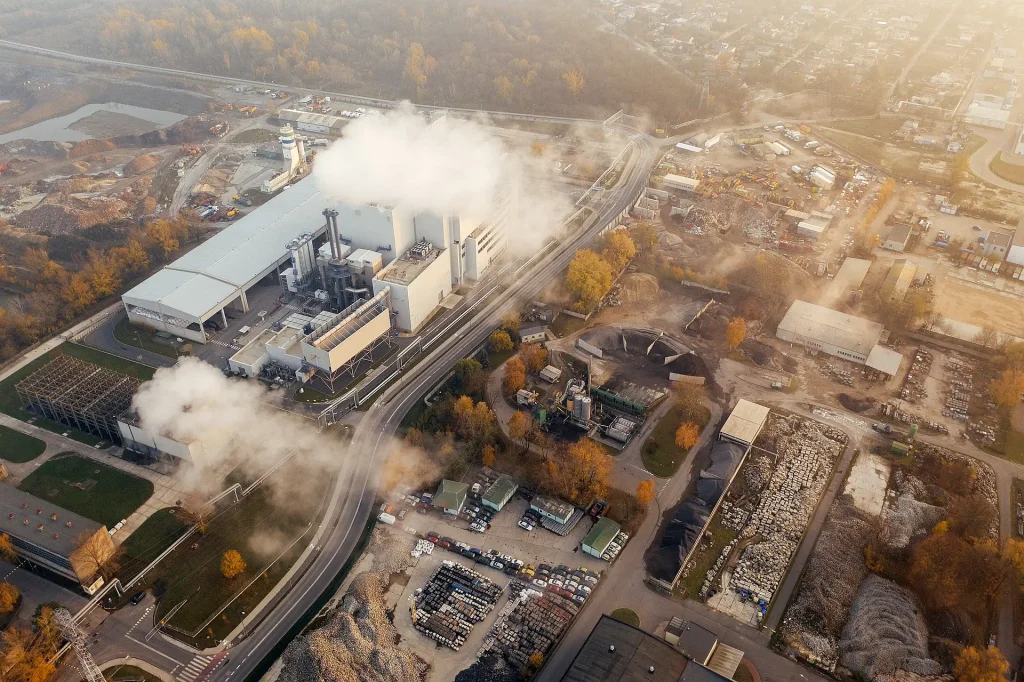
The Effects of a High Carbon Footprint
Climate Change and Global Warming
– Rising CO₂ levels trap heat, leading to higher global temperatures.
– This results in more frequent and severe heatwaves, droughts, and storms.
Rising Sea Levels
– Melting polar ice caps and glaciers cause sea levels to rise.
– Coastal cities and island nations face increased flooding and erosion.
Air Pollution and Health Issues
– Burning fossil fuels releases harmful pollutants.
– Air pollution is linked to respiratory diseases, heart conditions, and premature deaths.
Loss of Biodiversity
– Changing temperatures and deforestation threaten ecosystems.
– Coral reefs are dying due to ocean warming and acidification.
Economic Consequences
– Extreme weather events cause billions in damages and disrupt global supply chains.
– Agricultural losses threaten food security, particularly in developing nations.
How to Reduce Your Carbon Footprint
1. Reduce Energy Consumption
– Switch to renewable energy sources like solar or wind.
– Use energy-efficient appliances and LED lighting.
– Insulate homes to reduce heating and cooling needs.
2. Adopt Sustainable Transportation
– Walk, cycle, or use public transport whenever possible.
– Opt for electric or fuel-efficient vehicles.
– Limit air travel, which has a high carbon footprint.
3. Make Sustainable Food Choices
– Shift to a plant-based diet; reducing meat consumption cuts methane emissions.
– Buy locally produced food to lower transportation emissions.
– Minimise food waste by planning meals and composting scraps.
4. Reduce Waste and Consumerism
– Choose high-quality, durable items over fast fashion or disposable products.
– Recycle and compost to minimise landfill emissions.
– Support brands that prioritise sustainability and ethical practices.
5. Support Reforestation and Carbon Offsetting
– Plant trees and support organisations focused on forest restoration.
– Offset emissions by investing in carbon offset programmes that fund renewable energy or conservation projects.


The Role of Businesses and Governments
Corporate Responsibility
– Companies must adopt sustainable practices to reduce emissions.
– Transitioning to renewable energy, sustainable sourcing, and green supply chains is essential.
– Many corporations are committing to **”net-zero”** targets, balancing emissions with carbon removal efforts.
Government Policies and Global Agreements
– The Paris Agreement aims to limit global warming to below 1.5°C.
– Carbon pricing, taxes, and emissions trading systems incentivise emission reductions.
– Investments in public transport, clean energy, and green infrastructure are critical for a sustainable future.
The Future of Carbon Footprint Reduction
Emerging Technologies
– Carbon capture and storage (CCS) removes CO₂ from the atmosphere.
– Hydrogen fuel and advanced battery technology could revolutionise transportation.
– AI and smart grids can optimise energy use and reduce waste.
Shifting Global Attitudes
– Growing awareness of sustainability is driving industries to innovate.
– Countries are committing to **carbon neutrality** goals by 2050 or earlier.
Can We Achieve a Net-Zero Future?
– Achieving net-zero emissions requires collective action from individuals, businesses, and governments.
– Transitioning to sustainable energy and reducing waste are vital steps in combating climate change.
In all, our carbon footprint has profound implications for the climate, our health, and the global economy. While governments and corporations play a pivotal role, individual actions also matter. By adopting sustainable energy, transportation, and consumption habits, we can collectively reduce emissions and mitigate climate change.
The fight against climate change begins with awareness and action. Every effort to lower our carbon footprint brings us closer to a sustainable, thriving planet for future generations.