



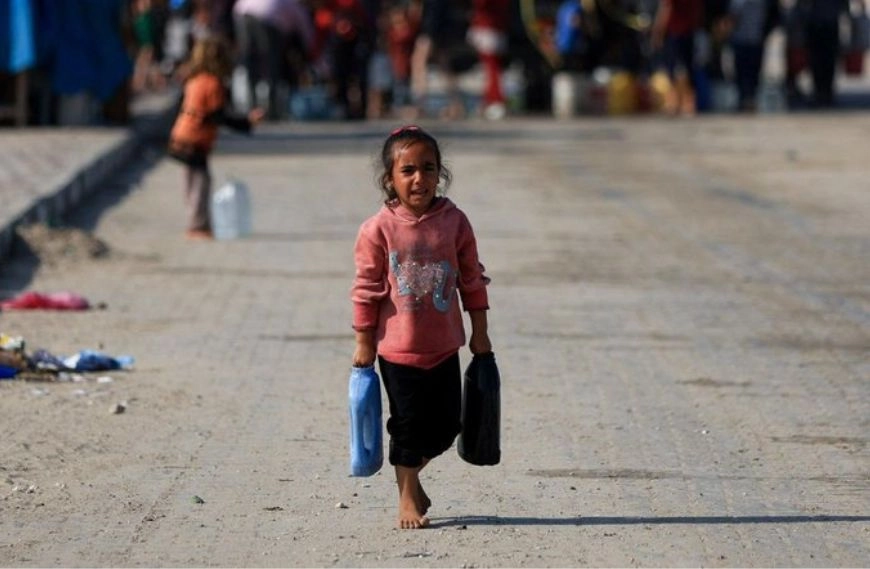
Even though a ceasefire is officially in place in Gaza, UNICEF has reported that at least 67 Palestinian children have died since the truce began. This heartbreaking number is a reminder that these are not statistics but real children who had families, dreams, and full lives ahead of them. The deaths show how unsafe Gaza remains, even during what should have been a period of reduced violence and protection for civilians.
One of the most painful examples is that of a baby girl who was killed inside her home during an Israeli airstrike in Khan Younis. UNICEF spokesperson Ricardo Pires said the renewed attacks during the ceasefire show a “staggering pattern” of harm to children. He reminded the world that every child who died had hopes and a future, and their lives were suddenly taken away.
For months, children in Gaza have been living in unsafe and overcrowded shelters, exposed to cold weather, hunger, and constant fear. Humanitarian groups say that access to food, clean water, and medical care is still very limited. Many families are staying in tents or temporary shelters that cannot protect them from the winter cold. This adds more danger to children who are already weak, frightened, and displaced.
Healthcare services in Gaza are also struggling. Doctors Without Borders (MSF) has reported treating children with serious injuries, including gunshot wounds to the head and limbs, at mobile clinics inside Gaza City. The ongoing conflict has left thousands of children with long-term injuries, disabilities, and emotional trauma. Many survivors will need medical and psychological care for years.
UNICEF has made an urgent appeal for humanitarian access, saying that winter will make conditions even worse. The agency has warned that children who have already lost their homes are at high risk of illness, malnutrition, and further harm. Ricardo Pires stated clearly that “there is no safe place for Gaza’s children,” even with a ceasefire in place.
The loss of these 67 young lives is a painful reminder that children in conflict zones suffer the most. Their deaths show the world how fragile the ceasefire is and how urgently protection is needed. These children were not just numbers. They were sons, daughters, siblings, and students, each with a story that ended far too soon.
Subscribe Deshwale on YouTube
