









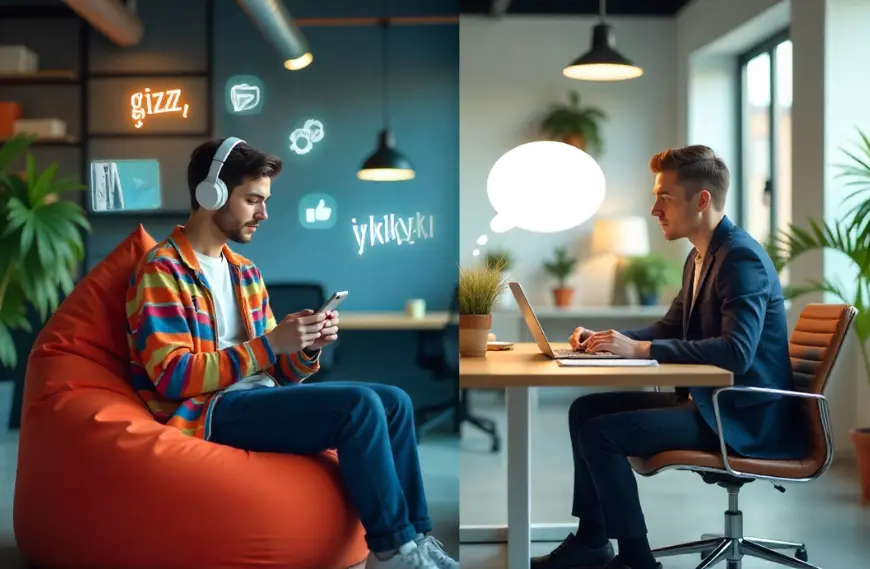
You might have seen it online: a reel where a Gen Z teen says “That’s so mid” while a Millennial stares blankly, wondering what it means. Or maybe you have heard someone type “iykyk” in a chat and thought it was a typo. These playful exchanges highlight more than just jokes. They reveal how two generations, shaped by very different times, see the world in their own ways.
Yet beneath these differences, Gen Z and Millennials share surprising similarities. Both are shaping our workplaces, culture, and lifestyles in ways that touch us all.
Who They Are
Millennials were born between 1981 and 1996. They saw technology transform their lives, from dial-up internet to smartphones. Gen Z, born between 1997 and 2012, has known technology since birth. They are digital natives who grew up with social media, instant messaging, and streaming platforms.
What Sets Them Apart
Millennials remember a world before the internet took over. They adapt well and balance both offline and online worlds. Gen Z, however, expects fast answers and seamless tech because that is all they have known.
In work, Millennials value stability and long-term growth. They seek jobs that align with their values and offer steady progress. Gen Z is driven by flexibility and purpose. They are quick to move on if a role feels stagnant or lacks meaning.
Even feedback differs. Millennials appreciate structured reviews and clear goals. Gen Z prefers quick responses, casual chats, and real-time feedback over formal meetings.
The Positive Mindset of Gen Z
Gen Z is often praised for their optimism and adaptability. They are quick to embrace change and look for creative solutions to problems. Their confidence in speaking up about mental health, social issues, and fairness has pushed workplaces and communities to be more open and inclusive. This positive outlook makes them resilient in the face of challenges and eager to find new ways forward.
The Good and Bad in Gen Z
Gen Z brings many strengths. They are tech-savvy, socially aware, and highly creative. Their focus on individuality encourages authenticity, and their passion for causes like climate change drives important conversations.
However, there are challenges too. Their constant exposure to social media can lead to anxiety and unrealistic expectations. Short attention spans, shaped by fast content, sometimes make deep focus harder. Their preference for quick changes can also be seen as impatience in work environments.
Despite these traits, their energy and fresh perspective often outweigh their drawbacks, especially when balanced with guidance and support.
Gen Z Slang That Baffles Millennials
Gen Z also speaks in a style that feels like its own language. Here are some popular terms:
- Iykyk – If you know, you know.
- No cap – I am telling the truth.
- Bet – Okay or agreed.
- Slay – Doing something extremely well or looking great.
- Rizz – Charisma or charm, often in a playful sense.
- Delulu – Being overly optimistic in a funny way.
- It’s giving – Describing a vibe or energy.
- Mood – Expressing something relatable.
For Millennials and older generations, these words can feel foreign. But they show how Gen Z’s world thrives on short, punchy, expressive language born online.
Where They Overlap
Despite their differences, these two generations align on core values. Both care about mental health, diversity, and fairness. They value ethical workplaces and companies that support social causes.
Work-life balance matters to both. Long hours and endless hustle are being replaced by healthier routines and flexible schedules.
Shared Culture and Trends
Fashion, entertainment, and hobbies often blur the generational lines. Gen Z revives styles from the early 2000s, bringing back trends Millennials first wore. Social media is where their worlds meet, blending humour, nostalgia, and shared interests.
How They Change Workplaces
Employers see their influence everywhere. Millennials prefer steady guidance and mentorship, while Gen Z thrives on flexible projects and self-learning. Companies that mix structure with freedom keep both happy.
Both expect technology that saves time and reduces stress. They also want workplaces that respect individuality and provide wellness support.
Facing Similar Challenges
Both generations face rising costs of living, job competition, and climate anxiety. They balance financial concerns with a desire for meaningful careers. This mix of stability and passion drives their choices.
Moving Forward Together
Though they differ in style and slang, Millennials and Gen Z are not worlds apart. Their shared dreams for fairer workplaces, healthier lives, and a better planet bring them closer. Their combined strengths, Millennials’ experience and Gen Z’s fresh ideas, are shaping the future together.
Instead of focusing on what divides them, we can see how their blend of skills, values, and energy creates a culture that benefits everyone.


