











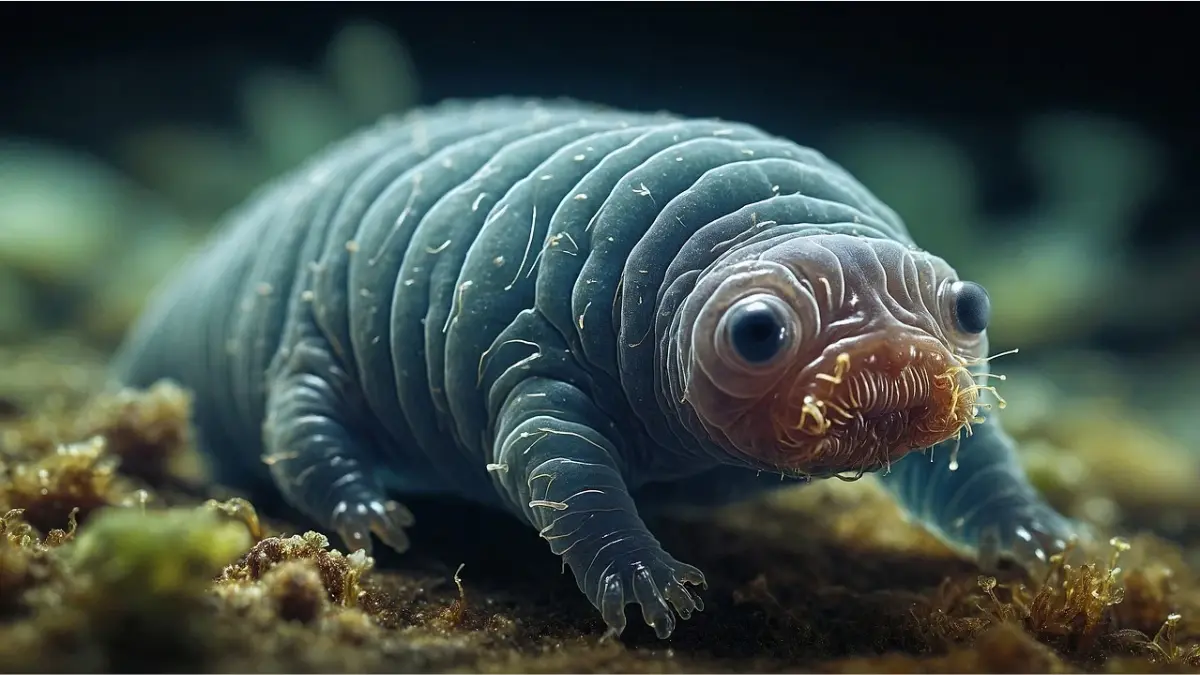
Life on Earth is far more resilient than we often imagine. While most organisms need moderate temperatures, clean water, and safe radiation levels, some microbes flourish in conditions that would be instantly fatal to humans. These extraordinary organisms, called extremophiles, survive in boiling acid, frozen ice sheets, radioactive waste, and other harsh environments. Their existence challenges our understanding of life and provides clues about where life could exist beyond Earth.
What Are Extremophiles?
Extremophiles are microorganisms, mainly bacteria and archaea, that thrive in environments previously considered uninhabitable. Scientists classify them based on the extreme conditions they endure. Thermophiles prefer temperatures above 60°C, such as those in Yellowstone’s hot springs. Psychrophiles grow in subzero environments, like Antarctic ice or the deep ocean. Acidophiles tolerate highly acidic conditions, including pH levels close to zero, as in Spain’s Rio Tinto. Halophiles survive in high-salinity waters, such as the Dead Sea, while radiophiles can endure radiation thousands of times stronger than what humans can withstand.
These classifications highlight the astonishing diversity of life and its ability to adapt to extreme stress.
Record-Breaking Microbes
Some extremophiles have earned fame for their incredible survival abilities. Deinococcus radiodurans, nicknamed “Conan the Bacterium,” can resist intense radiation, drying, and freezing temperatures. Thermococcus gammatolerans thrives at 85°C while tolerating high levels of radiation. Microbes revived from Arctic permafrost after 30,000 years frozen further demonstrate how life can persist in extreme conditions for millennia.
These organisms show that life is not only tenacious but also highly adaptable. Each new discovery challenges the limits of biology and inspires scientists to explore further.
How Extremophiles Survive
Extremophiles survive through unique cellular adaptations. Heat-shock proteins help molecules maintain their shape at high temperatures. Specialized pigments protect DNA from damaging radiation. Cell membranes of these microbes are often stronger or more flexible than those of typical organisms, allowing them to endure extreme pressure, cold, or acidity.
These adaptations have practical applications in human industries. Enzymes derived from extremophiles function in harsh conditions, benefiting biotechnology, laundry detergents, and biofuel production. By studying these microbes, researchers can design better industrial processes that are more efficient and resilient.
Clues About Life Beyond Earth
Extremophiles also offer insights into the possibilities of extraterrestrial life. Many survive in environments similar to Mars, Europa, or early Earth. NASA scientists study extremophiles in the Atacama Desert, deep-sea vents, and other harsh regions as analogues for alien habitats.
Astrobiologist Dr. Lynn Rothschild observes that finding life in increasingly extreme conditions strengthens the case that life could exist elsewhere in the universe. Every discovery expands the boundaries of where and how life can persist, offering a glimpse of life’s potential beyond our planet.
The Broader Significance
Studying extremophiles reminds us that life is remarkably adaptable. These microbes survive against the odds, thrive where few others can, and continue to inspire science and industry. From understanding the limits of life on Earth to imagining life on other planets, extremophiles show that the living world is far more resilient and inventive than we might ever have guessed.


