








Happiness is often associated with big achievements, money, travel or a comfortable lifestyle. But sometimes, our everyday habits can have a bigger effect on how we feel. The way we speak, think about others and react to situations can gradually become part of our daily routine.
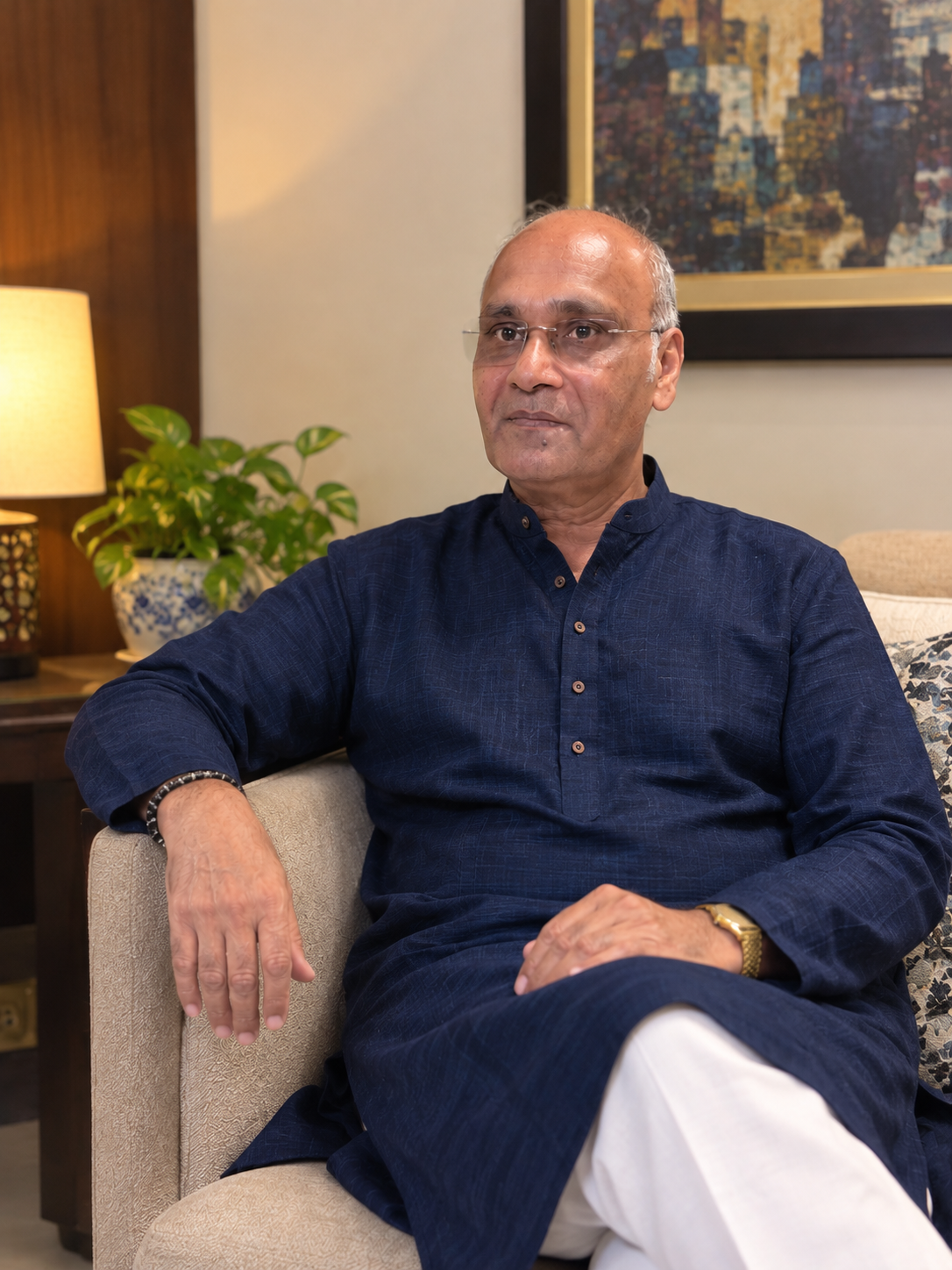
Vastu and astrology expert Ajit V Khawad recently shared five habits that, according to his perspective, people should avoid if they want to develop a more positive approach towards life. His suggestions revolve around competition, comparison, negative speech, complaining and gratitude.
The first habit he suggests avoiding is constant competition. Competition itself is not necessarily negative, especially when it motivates someone to work harder. His point is about making another person’s progress the standard for your own life.
Someone else’s success does not automatically mean that you are falling behind. People have different circumstances, opportunities and timelines.
The second habit is closely connected to the first: comparison.
Social media has made comparison particularly easy. We can see someone’s new house, holiday, career achievement or lifestyle within seconds. What we see, however, is only a small part of another person’s life.
Constantly comparing your journey with someone else’s can make you overlook the progress you have already made.
Khawad’s third suggestion is to avoid cursing or repeatedly speaking badly about others. He believes that the words we use can influence the energy we create around ourselves.
Whether one follows this idea spiritually or simply looks at it as a matter of personal behaviour, there is a practical point here: repeatedly speaking negatively about someone can keep our attention focused on anger and resentment.
The fourth habit on his list is complaining.
Everyone complains occasionally. Problems, disappointments and difficult days are part of life. Khawad’s advice is to avoid turning complaints into a permanent pattern. Instead of repeatedly focusing on what went wrong, people can try to identify what remains within their control.
Sometimes the situation cannot be changed, but the next response can be.
His final suggestion is different because it is not something to avoid. It is something to practise: appreciation and gratitude.
Khawad encourages people to compliment others and show appreciation even through small gestures. He gives the example of travelling in a rickshaw and suggests giving the driver a little extra after paying the fare as a simple expression of gratitude.
The amount itself is not the important part. The larger idea is about recognising someone’s effort.
Taken together, Khawad’s five suggestions offer a simple way of looking at everyday behaviour. Competition can become exhausting, comparison can affect satisfaction, negative speech can keep us stuck in resentment and constant complaining can make problems feel larger.
And gratitude can provide a reason to pause and notice the good things that are already present.
These are ultimately personal and philosophical suggestions, not scientific rules for happiness. But they raise a useful everyday question: Are our daily habits helping us enjoy life, or are they quietly taking away our peace?


