



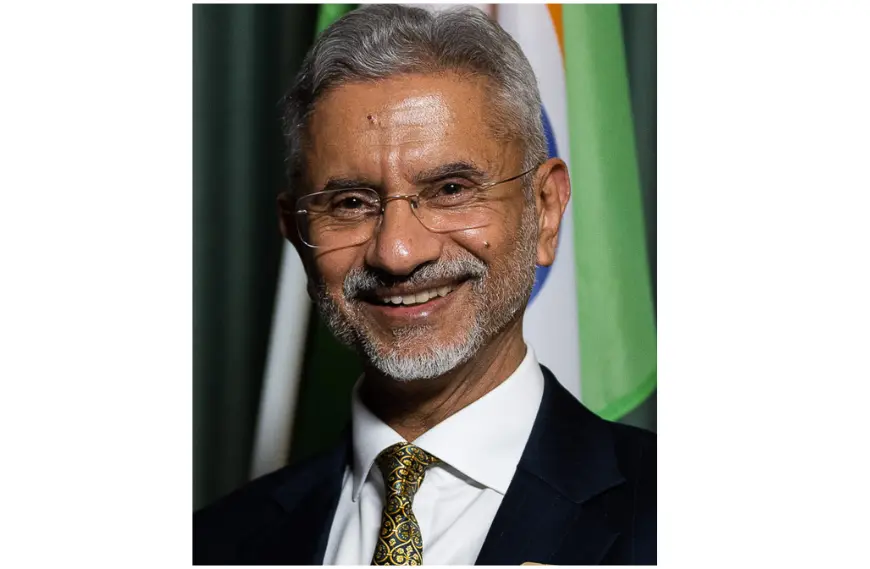
In today’s interconnected world, the idea of a global workforce is no longer just a possibility, it has become a necessity. External Affairs Minister S. Jaishankar recently highlighted that countries cannot ignore the need for talent from across the globe. Many nations face demographic challenges that make it difficult to meet labor demands locally, making international collaboration essential.
India’s strategic position
India plays a key role in this global workforce transformation. With millions of skilled professionals abroad and a large diaspora worldwide, India has a unique position to contribute to global labor needs. Initiatives have been launched to support Indian professionals seeking opportunities internationally, helping them prepare effectively and comply with legal requirements.
The role of technology and remote work
Technology has made it easier than ever to connect people and work across borders. Digital platforms allow professionals to collaborate seamlessly, and remote work has become a standard practice for many industries. This shift enables companies to access talent from anywhere in the world without geographical constraints, opening up new opportunities for both employers and employees.
Challenges and considerations
While the benefits are clear, building a global workforce also comes with challenges. Countries must navigate immigration policies, cultural differences, and diverse labor laws. Additionally, workers need to continuously upgrade their skills to remain competitive in a fast-changing job market.
As the world moves toward a more connected future, embracing global talent is not just advantageous, it is essential. India’s proactive approach in preparing its citizens for international opportunities highlights its role in the global labor market. By fostering an environment that supports global workforce mobility, nations can address modern workforce challenges and create a more inclusive and dynamic global economy
