



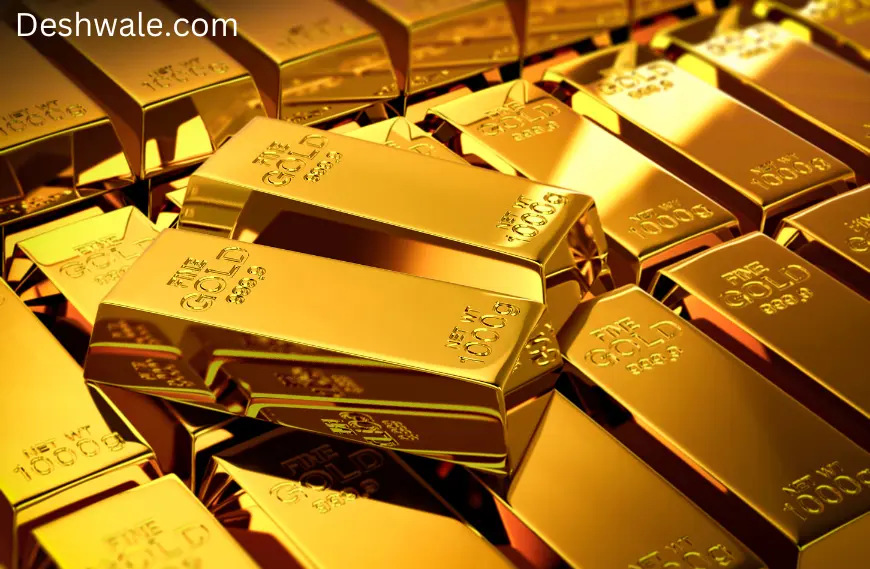
Gold prices have hit a historic high, surpassing $3,000 per ounce for the first time. The surge comes amid growing global economic uncertainty, geopolitical tensions, and rising demand from investors seeking a safe haven.
Why is gold rising?
Several factors have driven gold’s meteoric rise:
- Geopolitical Uncertainty: The ongoing tensions in Eastern Europe and the Middle East have pushed investors towards gold, traditionally seen as a hedge against instability.
- Inflation and Recession Fears: Concerns over a possible global recession and inflationary pressures have fueled demand.
- Central Bank Purchases: Several countries, including China and India, have increased their gold reserves to reduce dependence on the US dollar.
- Weakening Dollar: A softer US dollar has made gold more attractive to international buyers.
Impact on India
India is one of the world’s largest consumers of gold, with demand driven by weddings, festivals, and investment purposes. The soaring prices have triggered mixed reactions in the country:
- Gold Jewellery Demand Falls: Retail buyers are holding back on purchases due to high prices, impacting jewellers.
- Investment Demand Rises: Investors are turning to gold ETFs and sovereign gold bonds as alternative investments.
- Rupee Depreciation Worsens: Since gold imports are paid in US dollars, the rising price has widened India’s trade deficit.
What’s next for gold prices?
Experts remain divided on whether gold will continue its rally or face a correction. Some analysts predict further gains if economic conditions worsen, while others warn of a possible pullback due to profit booking.
