



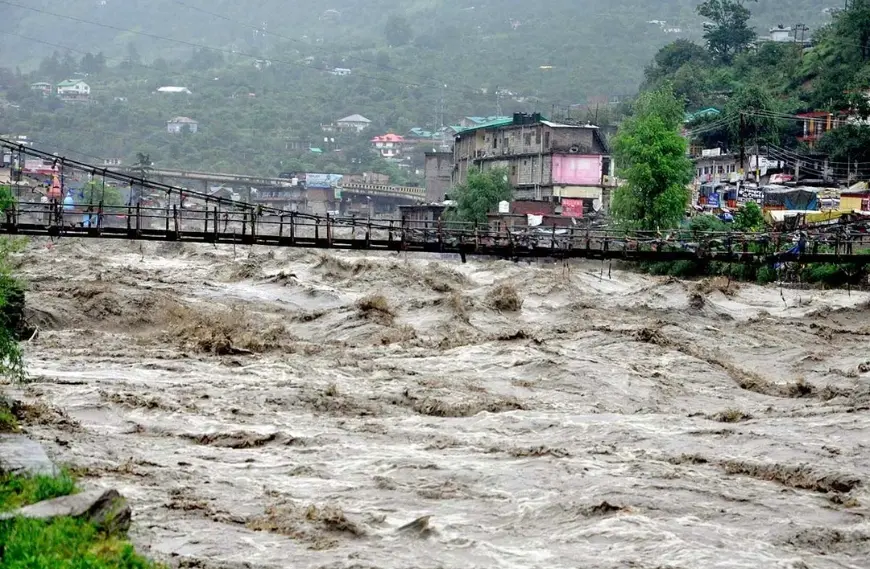
Torrential monsoon rains have battered Himachal Pradesh since late June, unleashing devastating floods and landslides that have killed over 300 people. The state, nestled in the Himalayas, is grappling with blocked roads, wrecked homes, and shattered livelihoods. The relentless downpours have turned daily life upside down, leaving farmers, pilgrims, and residents in distress. Authorities are scrambling to provide relief as more rain looms.
Since June 20, the state has faced a barrage of rain-related disasters. The State Disaster Management Authority reports 166 deaths from landslides, drownings, and electrocutions. Another 154 people lost their lives in road accidents caused by treacherous conditions. Over 370 others have been injured. The destruction is staggering, with more than 1,280 homes flattened and countless shops and factories damaged.
Shimla, the state’s capital, has been hit hard. In Junga tehsil, a landslide buried Virender Kumar, 35, and his 10-year-old daughter in their home, along with their livestock. In Chol village, an elderly woman named Kalavati died when her house collapsed under the weight of mud and debris. In Rohru, three homes were at risk after another landslide, prompting the evacuation of four families. Two cowsheds were also buried, trapping animals. Officials are urging residents to stay vigilant as heavy rain is forecast to continue through early September.
The rains have crippled transportation across the state. Over 600 roads, including four major highways, are blocked by landslides and flash floods. Key routes like the Chandigarh-Manali highway and the Manali-Atal Tunnel road are impassable, cutting off remote areas. Some one-way diversions have been set up, but the disruptions are severe. Farmers in Kullu and Lahaul-Spiti, where the apple harvest is in full swing, are struggling. The blockages are choking the local economy, with apples—a key crop, rotting in fields.
The Manimahesh Yatra, a sacred pilgrimage in Chamba district, has also been hit. Sixteen devotees died in landslides and other incidents along the route. The traditional royal bath, a key ritual, was cancelled, and ceremonies were moved to 84 local temples. Disaster response teams, police, and volunteers worked tirelessly to escort thousands of pilgrims to safety. “We are doing everything to protect devotees,” said Deputy Commissioner Mukesh Repswal. The focus remains on ensuring no further lives are lost.
August brought an onslaught of rain, with 440.8mm recorded—72% above the seasonal average. Una district saw the heaviest downpours at 823.6mm, followed closely by Kangra and Mandi. The Meteorological Centre in Shimla has issued red and orange alerts for September 1 and 2, warning of more intense rainfall. This has prompted Chief Minister Sukhvinder Singh Sukhu to delay a planned visit to Kullu and order intensified relief efforts. Schools in multiple districts, including Kullu, Kangra, and Shimla, will stay closed for two days to keep students safe.
The scale of the disaster is overwhelming. Beyond human losses, nearly 35,240 animals have perished, devastating rural communities that rely on livestock. The government is deploying rescue teams and providing aid, but the challenges are immense. Blocked roads and damaged infrastructure make it hard to reach those in need. For now, the state is bracing for more rain, with hopes of recovery feeling distant.
This crisis underscores the growing impact of extreme weather in the Himalayas. For residents, it’s a stark reminder of nature’s power and the urgent need for better disaster preparedness. What do you think about the situation in Himachal Pradesh? Share your thoughts below!
