



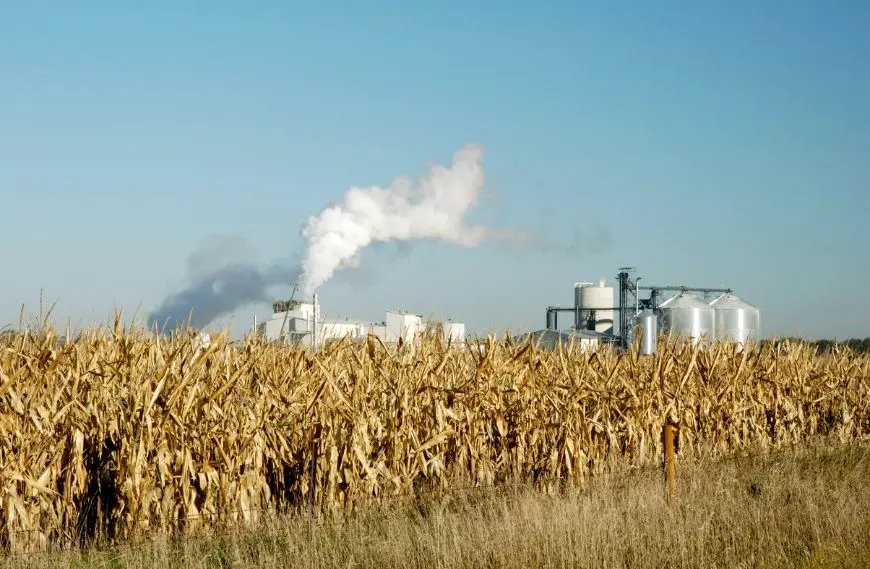
Is the US corn attack linked to India’s ethanol rush?
You have probably heard the noise around US Commerce Secretary Howard Lutnick taking a swipe at India for not buying American corn. He pointed out that India has a massive population but zero appetite for US maize. What’s behind this? It links straight to India’s big push on ethanol fuel. The country wants to cut its oil imports and go greener. But in doing so, it has flipped from exporting corn to importing it. Now, the US sees an opening to sell its surplus. Trouble is, tariffs and rules on GM crops block the way.
India has been speeding up ethanol blending in petrol to hit clean energy goals. It actually hit 20% blending in 2025—way ahead of schedule. That move saves money on foreign oil and helps cut pollution. But here is the twist. Back in 2023, drought slammed key states like Maharashtra. Sugarcane, the main source of ethanol, took a big hit. So, from December 2023 to August 2024, the government banned sugarcane use for fuel. That kept sugar prices steady for ordinary families.
With sugarcane off the table, maize became the stand-in. It quickly took centre stage in ethanol production. By 2024, millions of tonnes of maize were diverted to distilleries. Suddenly, India needed more maize than it grew. Exports dried up, imports jumped. From just a few thousand tonnes early in 2024, imports shot past half a million tonnes by mid-year. Overnight, India turned into a net importer.
So, why the switch? The answer’s simple. Sugarcane drinks up huge amounts of water. Drought made yields tumble. Farmers struggled. The ban kept food supplies safe. But ethanol targets still loomed large. Maize filled the gap. It’s flexible and grows in drier soil.
Still, it was not a smooth ride. India produces around 42 million tonnes of maize each year. But in one year alone, distilleries grabbed 10 million tonnes for ethanol. That’s a record. To cover the shortfall, India had to look abroad. Non-GM maize came from places like Myanmar and Ukraine. The US was left out, because more than 90% of its corn is GM, and India bans that.
Meanwhile, the US had its own headache. China stopped buying as much American corn, switching instead to Brazil. US corn exports to China collapsed, from 31% of the total in 2020–21 to less than 6% by 2023–24. Now, with a bumper harvest of 16.8 billion bushels forecast for 2025–26, the US badly needs new buyers. Cue India. Lutnick’s sharp words show that urgency. He sees India’s ethanol rush as a golden chance. But tariffs and GM rules are brick walls.
Food, feed, or fuel? The corn dilemma
Maize is not just for fuel. In India, almost half feed poultry. Another chunk goes to cattle. About 14% is used by starch industries. When ethanol guzzles more, prices rise for all these sectors. Poultry farmers feel it first. Feed costs shoot up. That could mean pricier chicken on your plate.
And the problem runs deeper. India used to export 3–4 million tonnes of maize each year up to 2023. By 2024, there was a shortfall of 5 million tonnes. Ethanol’s hunger created it. Yes, blending cuts emissions. But at what cost to food security? Critics argue fuel should not outrun feed.
On the flip side, there are benefits. Ethanol output has exploded, from 38 crore litres in 2014 to over 661 crore litres by mid-2025. Farmers now earn more selling maize to distilleries. Rural incomes rise. But balance is everything. Relying on imports makes the country vulnerable. That’s where the US corn angle comes in. Lutnick wants India to buy American. But India prefers non-GM supplies to shield local ecosystems.
Forex fortress strategy
Here is the real win. India’s ethanol push acts like a forex shield. By blending local fuel, the country slashes oil imports. That saves billions in foreign currency. Since 2014, India has cut outflows worth Rs 1.44 lakh crore. Think of it like this: less money leaving the country for oil means more cash to use at home.
There’s also the climate bonus. Over 69 million tonnes of CO₂ emissions avoided. Cleaner air for everyone. The ethanol plan kicked off in 2003 but picked up pace under recent policies. Hitting targets early shows real commitment.
But challenges remain. Some argue that higher ethanol blends hurt older engines. Others worry about the water needed to grow crops. Even so, the savings stack up. The forex cushion helps fund roads, healthcare, and other essentials.
So, is the US corn attack linked to India’s ethanol push? Absolutely. The US sees India’s rising import needs and wants a slice. India, meanwhile, defends its policies. Tariffs protect its farmers. GM bans guard public health. This clash shines a light on bigger trade battles. As India pushes for self-reliance, expect more flare-ups.
In the end, India’s ethanol story is striking. From drought struggles to policy shifts, it shows how smart moves can pay off. But the food-versus-fuel question is a reminder: progress must be balanced with care.
Disclaimer:
This article is intended for informational purposes only. It draws on publicly available data and analysis considered accurate at the time of writing. Readers are encouraged to cross-check facts before making any financial, trade, or policy-related decisions. The views expressed here do not constitute professional or investment advice.
