









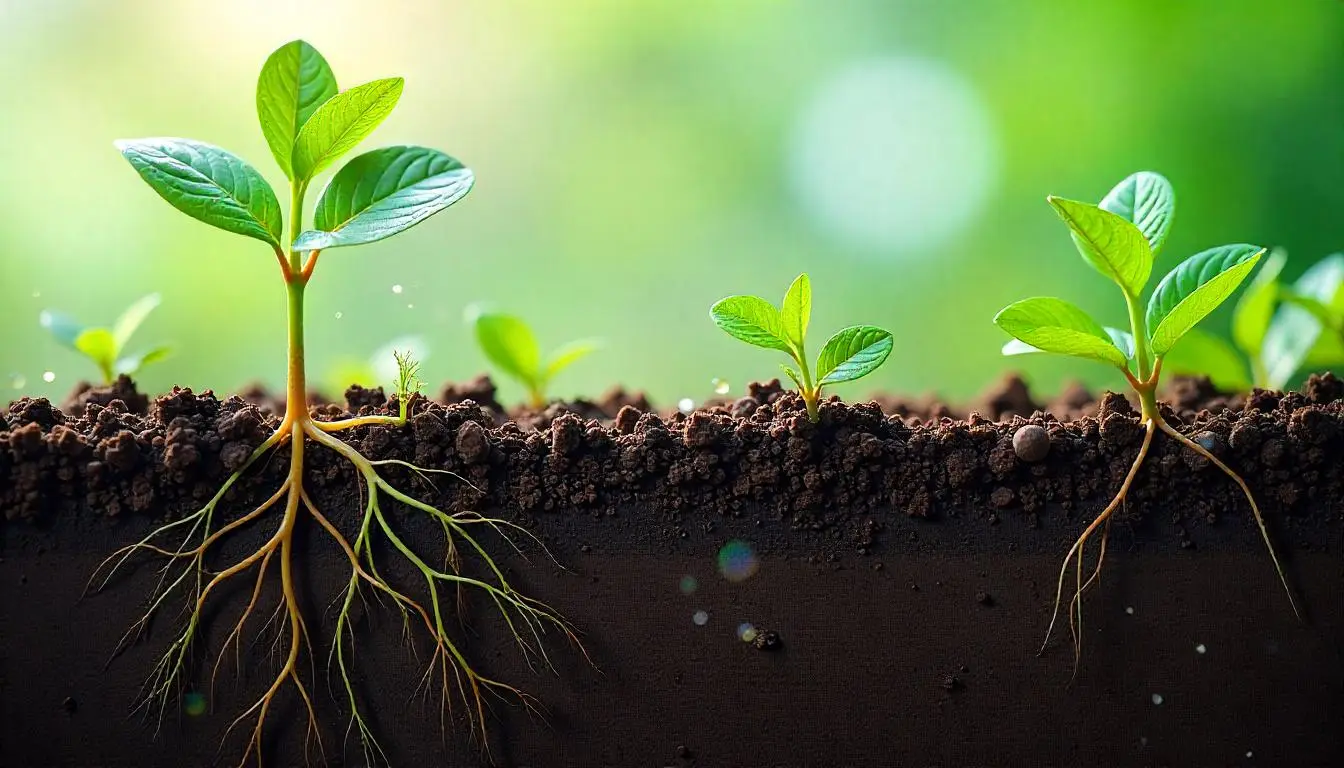
The Hidden Cities Beneath and Within Us
Beneath our feet, microbes build cities unseen. Trillions form bustling, invisible metropolises. These worlds spark awe. From soil to skin, microbes shape life. What secrets do their tiny cities hold? This journey explores their hidden realms through science. It blends biology, urban theory, and wonder seamlessly. Imagine microbial hubs rivaling Tokyo’s sprawl. Let’s map the invisible cities thriving within us.
Microbial Networks Across Earth’s Landscapes
Microbes outnumber human cells ten to one. A 2024 Microbiome study revealed their complexity. In soil, bacteria form networks like urban grids. They trade nutrients, mimicking city markets. In oceans, plankton build aquatic metropolises. These colonies regulate Earth’s climate, per 2023 Nature findings. From coral reefs to city sewers, microbes rule. Their cities are life’s unseen foundation. This discovery thrills, revealing nature’s secret urbanity.
The Megacities Inside the Human Body
Human bodies host microbial megacities too. Gut bacteria, 100 trillion strong, orchestrate health. A 2024 Science study linked them to immunity. They communicate via chemical signals, like city traffic. Skin microbes defend against invaders daily. These tiny citizens shape our moods, per 2022 research. Imagine bacteria planning like urban councils. This intimate connection fascinates global minds. It redefines our bond with life’s smallest.
Technology Maps the Microbial Metropolises
Technology unveils these microscopic worlds vividly. DNA sequencing, advanced by 2025, maps microbial genomes. A 2024 Nature Biotechnology study decoded soil bacteria networks. AI models their interactions, like city planners. In labs from Singapore to São Paulo, scientists explore. By 2050, we could predict microbial behavior. Imagine apps tracking your gut’s microbial city. This tech blends biology with urban dreams. It captivates, showing life’s hidden bustle.
Biofilms and the Urban Blueprint of Microbes
Microbial cities mirror human ones in eerie ways. A 2023 PNAS study compared their structures. Bacteria form biofilms, like urban neighborhoods. They share resources, defend against threats. In Arctic permafrost, microbes survive extreme conditions. Their resilience inspires sustainable city designs. By 2070, urban planners might mimic biofilms. This parallel excites, linking microbes to human ingenuity. Global cities could learn from tiny architects.
Microbes in Global Culture and Cuisine
Culturally, microbes weave into human stories. Fermented foods, like yogurt or kimchi, honor them. A 2023 Cultural Anthropology study noted their role. From Korean banchan to African injera, microbes feed. They’re unsung heroes of global cuisines. Festivals celebrating fermentation thrive worldwide. By 2100, microbial art could emerge. Imagine sculptures grown by bacteria. This cultural thread unites food lovers everywhere.
Threats to the Microbial Metropolis
Challenges threaten these invisible cities daily. Pollution disrupts soil microbes, per 2025 Environmental Science reports. Antibiotics harm gut ecosystems, causing imbalances. Climate change shifts microbial habitats rapidly. Yet, solutions bloom through global research. Probiotics restore health, tested in 2024 trials. Rewilding soils boosts microbial diversity. By 2070, we could engineer microbial cities. This fight mirrors humanity’s quest for balance.
The Emotional Connection Between Humans and Microbes
Emotionally, microbes connect us to life’s core. A 2022 Psychology Today study tied gut health to joy. Healthy microbes lift spirits, from kids to elders. This link feels universal, crossing borders. Imagine a microbe shaping your smile today. Their cities sustain our very being. This intimate bond resonates with global readers. It makes microbes humanity’s silent partners.
A Vision for the Future: Microbial Allies of Tomorrow
The future envisions microbial cities as allies. By 2100, bioengineered bacteria could clean oceans. A 2025 Nature Sustainability study foresaw this. They might heal soils or cure diseases. Imagine microbes rebuilding coral reefs. Or powering cities with bioenergy. This vision blends science with hope. It invites global dreamers to embrace tiny heroes.
Microbial Cities: Life’s Invisible Architects
Microbial cities pulse beneath our world. Their networks mirror human urban dreams. Science unveils their bustle; culture celebrates their role. From soil to skin, they thrive unseen. By 2100, we’ll live with them consciously. Pause and feel the microbes within you. Their invisible cities weave life’s eternal story.


