



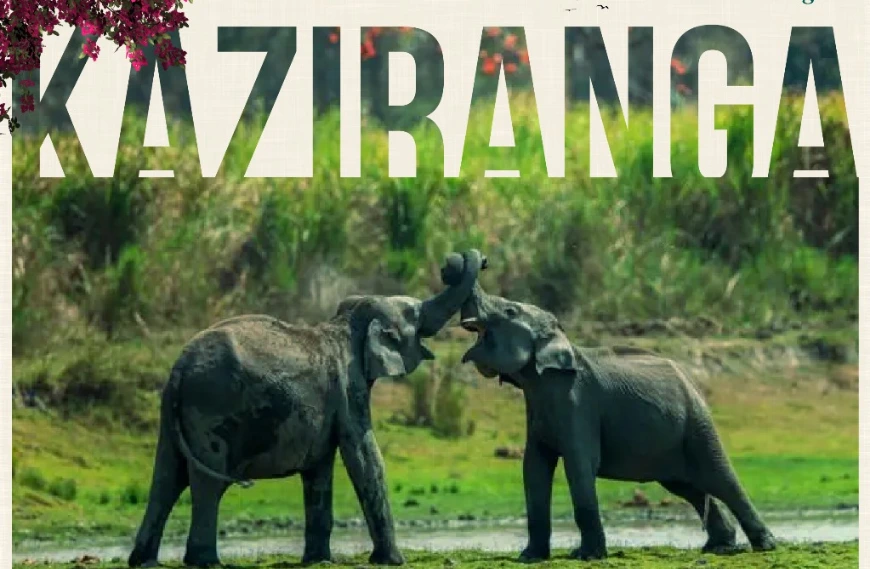
Kaziranga National Park and Tiger Reserve in Assam has become the third most visited national park in India, recording an impressive 35% surge in tourist footfall during the 2024–25 season.
Between 1 October 2024 and 18 May 2025, the park welcomed over 4.43 lakh visitors, including 18,463 foreign tourists. This marks a notable 25% rise in international tourist numbers compared to the previous year.
Several key factors have contributed to this sharp growth. High-profile visits, improved infrastructure, increased visibility through promotional campaigns, and a growing interest in eco-tourism have all helped Kaziranga stand out. Noteworthy visits by national leaders and global dignitaries, including Bhutan’s King, helped elevate the park’s global profile.
The park has made strong strides in upgrading its facilities to offer a better experience to visitors. From improved roads and eco-friendly lodges to the introduction of electric safari vehicles, Kaziranga has embraced sustainable tourism. These efforts have not only enhanced accessibility but also ensured environmental responsibility.
Famous for its conservation efforts, particularly in protecting the endangered one-horned rhinoceros, Kaziranga continues to attract wildlife lovers and researchers from around the world. Tourists also enjoy birdwatching, cycling, trekking, river cruises, and dolphin viewing — diversifying the experience beyond just jungle safaris.
Kaziranga’s rising popularity has had a positive impact on the local economy. Increased tourism has generated employment in hospitality, transport, guiding services, and the handicraft industry, uplifting surrounding communities.
Events like the International Tourism Mart and other regional festivals hosted within the park have further strengthened Kaziranga’s status as a global destination for nature and adventure tourism.
Balancing ecological preservation with tourism growth, Kaziranga stands as a model of responsible development and wildlife conservation in India.
