









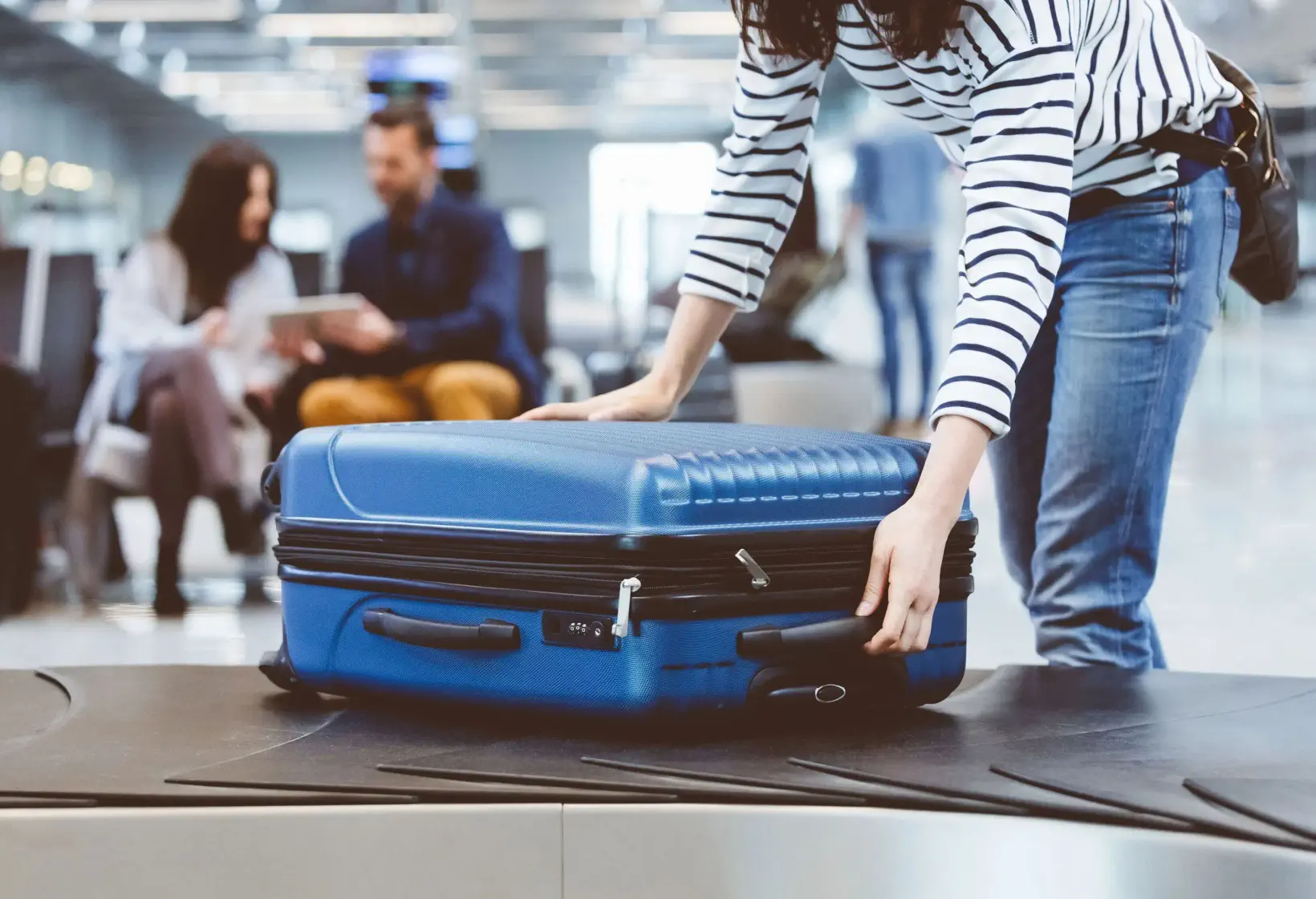
When a long-awaited trip begins, travellers assume their checked luggage will roll out on the conveyor belt exactly where it should. But the moment the carousel slows down and your suitcase is nowhere in sight, panic kicks in. Missing luggage can derail even the best-planned holiday or business trip, yet most people waste precious minutes hoping their bag might still appear. The smarter move is to act fast and follow a clear set of steps that protect your rights and increase the chances of recovering your luggage or receiving fair compensation.
The first and most urgent step is to head directly to the airline’s baggage service counter and file a Property Irregularity Report. Without this document, you have almost no proof that your bag went missing in the airline’s custody. Many frustrated travellers walk out of the airport thinking the airline will figure it out, but that is exactly how claims get denied or delayed. The report creates an official record, generates a file number and ensures your case enters the global baggage tracking system used by airlines.
Travellers can actually make their life easier long before they step onto the plane. One of the smartest pre flight habits is photographing the contents of your suitcase. Lay everything out, take a few clear shots and also photograph the suitcase from the outside and inside. These images help immensely if you need to file a claim later, especially when airlines ask you to list lost items or prove their condition. Another underrated habit is using baggage tracking features offered by airlines or attaching a tracking device inside your bag. And of course, always keep essential items such as medications, valuables, documents, chargers and at least one change of clothes in your carry on.
Once the report is filed, patience becomes necessary but so does persistence. Lost luggage is not always lost forever; more often it is delayed, misrouted or stuck in transit scans. Many bags turn up within 12 to 48 hours. The moment the airline promises home delivery, confirm your address, phone number and availability. Small errors here can create bigger delays. Meanwhile, travellers are allowed to buy essential items they immediately need, like basic clothes, toiletries or work essentials. Receipts are critical, because airlines reimburse reasonable expenses incurred while your bag is delayed. Some travellers skip buying essentials because they assume they will not get reimbursed, but legally this is part of the airline’s responsibility.
If days pass and the airline finally declares your bag officially lost, the compensation process begins. This requires a detailed list of everything inside the suitcase. Having photos saves you from scrambling. Airlines usually compensate based on depreciated value, not original cost, and certain categories like electronics or fragile items may be covered only partially or not at all. Compensation also includes a refund of any baggage fee paid during booking.
Damaged luggage is another headache that needs immediate action. If the bag arrives cracked, torn or broken, photograph it right there at the airport and report the damage before leaving. Airlines often offer repair, replacement or reimbursement depending on the extent of the damage. Wheels, zippers, handles and structural cracks are usually covered, but scratches, dents or broken fragile items inside are not. Again, acting quickly is crucial; delayed reporting gives airlines an easy excuse to deny responsibility.
Travellers should also know their legal rights. On international flights, compensation rules fall under globally recognized conventions that limit maximum payouts but guarantee that airlines cannot simply walk away from liability. Domestic flights follow local civil aviation policies, but the principle remains the same. If your bag is delayed, lost or damaged while in airline custody, you are entitled to compensation. The key is documentation, persistence and clarity.
Ultimately, losing luggage can feel chaotic, but it does not have to ruin your trip. The biggest mistake travellers make is reacting emotionally instead of following a logical process: report immediately, document everything, keep receipts, stay in touch with the airline and push the claim forward until resolved. Airlines handle thousands of such cases daily, and the travellers who stay disciplined and proactive usually recover faster, either their bag, their money or both. Missing luggage is a nightmare, but with the right steps, it becomes a manageable inconvenience instead of a trip ending disaster.
Subscribe Deshwale on YouTube


