




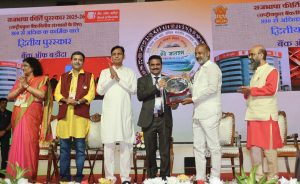




Magarpatta City is a rare example of rural land transforming into a thriving urban township through collective vision and collaboration. Located near Hadapsar in eastern Pune, Maharashtra, this township sits on land once owned by about 120 farming families. Instead of selling their land to external developers, the families chose to develop it themselves. Decades later, Magarpatta has grown into a well‑planned urban community that blends residential spaces, commercial offices, technology parks, schools and green areas.
The origins of Magarpatta date back to the late 1990s. The farmers, led by visionary leader Appa Bhole and supported by experts, decided to pool their land and partner with architects, planners and investment partners. Their goal was to retain control over how the land was used and to create long‑term opportunities for future generations. With careful planning and phased development, Magarpatta City started taking shape. Today, it is home to tech firms, shopping centres, hospitals, schools and parks. The community boasts modern infrastructure while retaining its green and open character.
One of the most visible advantages of Magarpatta is its quality of life. Residents enjoy wide roads, open green spaces and clean neighbourhoods. The township is designed to reduce congestion and promote walkability. Many professionals choose to live here because it offers proximity to major employment hubs in Pune along with a quieter, cleaner living environment. Schools, medical facilities and recreational areas are all within easy reach. The presence of corporate offices also reduces daily commuting time for many residents.
Another positive aspect is community ownership. The original farming families and their descendants continue to have a stake in the township’s success. Revenue from commercial and residential development goes back into the community, helping fund infrastructure, services and social initiatives. This shared ownership model helps foster a sense of belonging and responsibility among residents.
Yet, the Magarpatta model is not without limitations. One challenge is replicability. Not every rural community has the leadership, unity, resources or strategic location that Magarpatta had. The township benefited from Pune’s rapid economic growth and its proximity to booming IT and business districts. In more remote or economically stagnant regions, such a project may struggle to attract investment or sufficient demand.
Another concern is gentrification. As property values rise, long‑time owners and original residents may face pressures they did not anticipate. Maintaining affordability for all socio‑economic groups within the township is a continuing challenge. There is also the task of balancing commercial growth with environmental sustainability as the township expands.
Across India, a few other examples echo the Magarpatta concept, though none match its scale or success. Places like Hiranandani Gardens in Thane and some cooperative housing societies in cities like Bangalore and Hyderabad share elements of collective development or resident‑driven planning. However, these often involve urban landowners or developer‑led models, not rural farmers converting agricultural land into planned urban townships.
Internationally, similar partnership models exist in different forms. Community land trusts in the United States and co‑housing projects in parts of Europe promote community control over land and shared governance. In Japan, some village revitalisation projects have seen farmers and local residents collaborate with government and private sectors to develop local economies and infrastructure. However, the holistic township model seen at Magarpatta remains distinct in its combination of rural origin, complete land pooling, community ownership and large‑scale urban development.
In conclusion, Magarpatta City stands as a unique example of collective vision turning farm fields into a modern urban township. Its beauty lies not just in its infrastructure, but in the quality of life and community spirit it fosters. For other regions, Magarpatta offers lessons in collaboration, long‑term planning and local empowerment. At the same time, it highlights the challenges of replicating such models where economic, social and geographical conditions differ. As India’s cities continue to grow, the Magarpatta experience invites planners, policymakers and communities to rethink land use and development with inclusion and sustainability in mind.
Subscribe Deshwale on YouTube


