









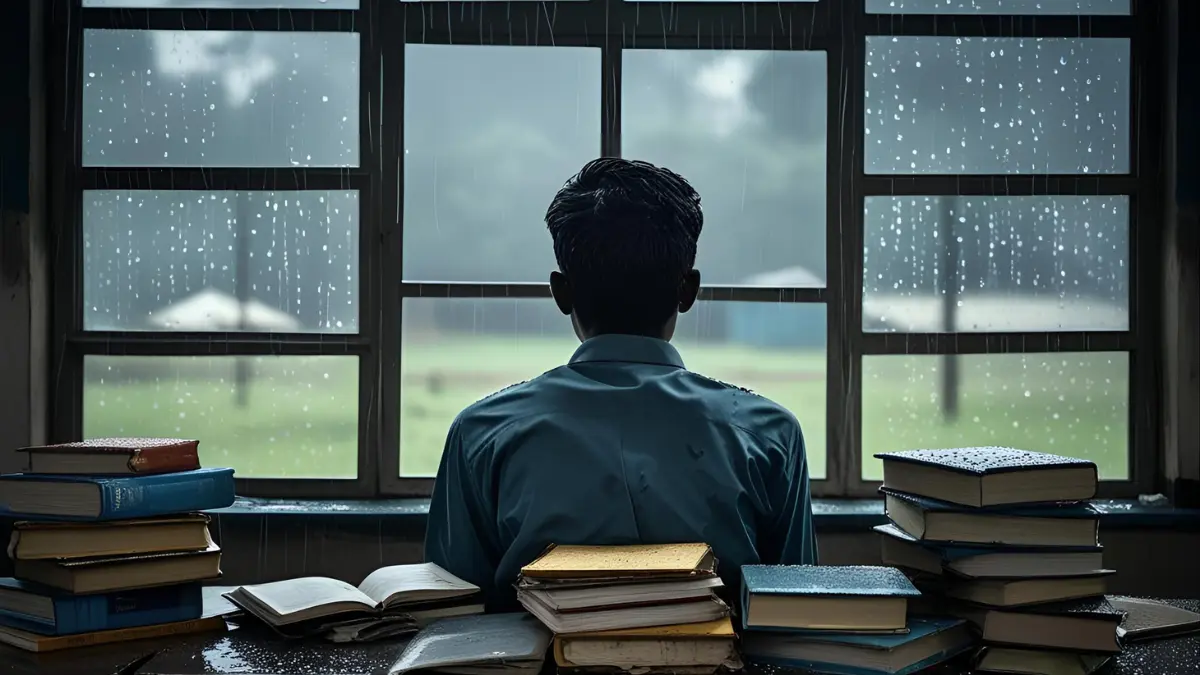
India is facing a mental health emergency among its young learners. As academic pressure grows and emotional support shrinks, student suicides have reached alarming levels. Behind the toppers, medals, and degrees, lies a story of isolation, fear, and deep emotional unrest.
The Numbers Tell a Grim Tale
According to official records, over 13,000 students died by suicide in 2021 alone. The figures have only worsened in recent years. These are not just statistics. Each number represents a young life full of promise, cut short by a crisis few were willing to acknowledge. From Kota’s coaching centres to premier IITs, suicides have become a silent epidemic.
What’s Driving the Breakdown
Multiple factors are pushing students to the edge. For one, the weight of academic expectations remains enormous. Many students live away from home in unfamiliar cities, facing intense pressure to succeed. Parental and societal expectations to crack exams like NEET and JEE add to the burden.
Then there’s the issue of loneliness. Hostel life, ragging, bullying, or simply feeling out of place contribute to mental distress. Some students come from marginalised communities and face discrimination or exclusion in elite institutions. Others struggle financially and feel the pinch while their peers thrive.
Lack of Mental Health Support
While awareness of mental health has grown in recent years, most colleges still lack trained counsellors or proper mental health infrastructure. Even when support is available, stigma around mental illness often prevents students from seeking help.
In many cases, faculty members are untrained to identify or address signs of psychological distress. Students who express anxiety or depression are often told to “toughen up” or “focus more.” This deepens their sense of isolation.
Supreme Court Steps In
Recently, the Supreme Court of India issued guidelines aimed at tackling this growing crisis. The court has urged educational institutions to create safe, inclusive, and stress-free environments. It has also asked for mechanisms to track the emotional well-being of students and to ensure proper access to professional counselling.
These are important steps, but implementation remains a challenge. Most universities and coaching centres continue to focus only on academic outcomes, ignoring the student’s mental well-being.
The Kota Conundrum
Coaching hubs like Kota have long been under the spotlight. Known for producing thousands of engineering and medical aspirants every year, Kota has also become synonymous with student suicides. The city’s intense, cut-throat atmosphere leaves little room for emotional healing.
Families invest lakhs of rupees and place immense hopes on teenagers, many of whom are just 15 or 16. Living alone, away from family warmth and school familiarity, these teens often crack under pressure. Several of them leave behind notes that mention fear of failure, loneliness, and helplessness.
Voices from Within
Some students have started speaking out. Social media is slowly becoming a space where young people talk about their struggles with anxiety, panic attacks, and depression. Influencers and mental health activists are using platforms like Instagram and YouTube to normalise therapy and counselling.
However, these voices still compete with a culture that glorifies stress as a badge of success. Burnout is often seen as dedication. Sleepless nights are romanticised. Students who want to slow down are labelled as “weak” or “lazy.”
The Way Forward
To fix this, the change must begin in classrooms, staff rooms, and at home. Educational institutions need to integrate mental health education into the curriculum. They must hire qualified psychologists and make counselling accessible and free of judgment.
Parents also have a key role to play. They must start seeing their child’s happiness as more important than just academic success. Open conversations, emotional support, and reduced expectations can go a long way.
Peer support groups, buddy systems, and helplines should become standard in all colleges. Regular check-ins, less rigid evaluation systems, and access to safe spaces can create more nurturing environments.
At The End
India’s students are not just the future, they are also the present. Their mental health needs cannot be a footnote in the education debate anymore. Every suicide is a failure of the system, not the individual.
Until educational institutions, families, and society at large treat mental health with the seriousness it deserves, this silent crisis will only grow louder.


