









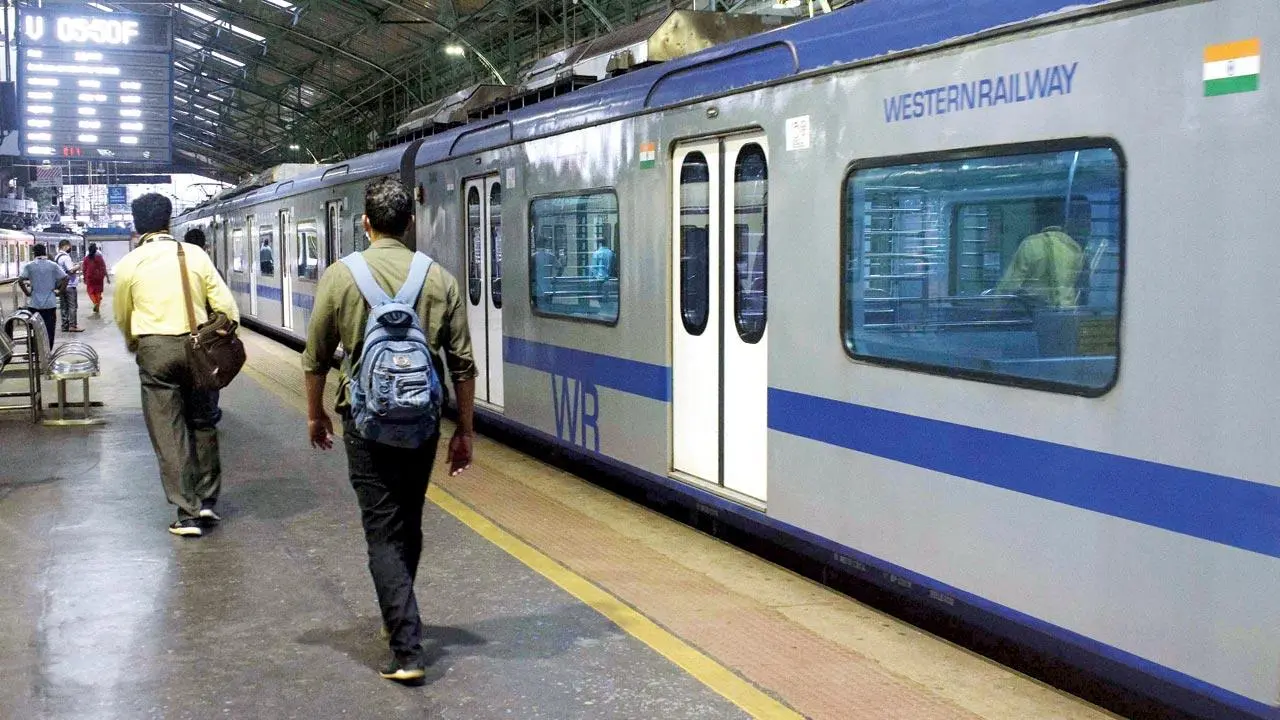
Mumbai’s suburban railway network is set for a major transformation with the introduction of 238 new air-conditioned (AC) rakes. With an estimated budget of ₹20,000 crore, this initiative aims to replace ageing non-AC trains, offering commuters a more comfortable travel experience.
While this upgrade is seen as a step towards modernisation, it also raises concerns about affordability and accessibility for daily passengers.
A Step Towards Modernisation
The new rakes will be rolled out under the Mumbai Urban Transport Project (MUTP) III and 3A, featuring modern Vande Bharat-style metro AC rakes. The prototype is expected within two years, with full deployment planned over five years.
Currently, Mumbai operates 275 rakes, of which 14 are AC. With this addition, the city moves closer to a predominantly AC local train network.
Key Features of the New AC Rakes
Passengers can expect several improvements aimed at ensuring a safer and smoother journey:
- Automatic doors to improve safety.
- Full vestibule connectivity for better passenger movement.
- Dedicated luggage and vendor compartments at both ends of the train.
- Comfortable modular seating for a better travel experience.
- Onboard infotainment with travel updates and important announcements.
- CCTV cameras and emergency alarms for enhanced security.
- USB charging ports and GPS-based announcements for convenience.
These aluminium and stainless steel-bodied rakes are designed to run at speeds of up to 130 km/h, potentially reducing travel time.
What Commuters Are Saying
The announcement has drawn mixed reactions from Mumbai’s daily passengers.
A commuter from Borivali said that while AC trains are a welcome change, the affordability of daily travel remains a concern. A passenger from Vasai expressed hope that more services would be added during peak hours. Another office-goer from Dadar pointed out that while comfort is important, frequent delays and service gaps need to be addressed first.
A daily wage worker from Virar voiced concerns that non-AC trains should not be phased out completely, as many cannot afford higher fares. A college student from Andheri wondered whether automatic doors would create challenges for those who rely on last-minute entries into overcrowded trains.
Concerns Over Fare and Availability
While the benefits of AC trains are evident, fare structure and train frequency remain key concerns.
Currently, AC local fares range from ₹35 to ₹165, whereas non-AC train tickets cost between ₹5 and ₹35. Monthly passes for AC locals can cost up to ₹3,150, compared to ₹105 to ₹500 for non-AC trains. Many daily commuters worry that increasing AC services could make railway travel less affordable.
Another concern is the frequency of services. While AC locals are available, they are fewer in number, particularly during rush hours. Commuters fear that reducing non-AC trains could lead to increased congestion in the remaining regular services.
The Road Ahead
The transition to an AC-dominated suburban network is a significant shift in Mumbai’s public transport system. While modernisation is necessary, authorities must address affordability, accessibility, and frequency of services to ensure that the benefits of this upgrade reach all sections of society.
For now, commuters are waiting to see whether these changes truly improve their daily journey or make local train travel a luxury for the few.


