



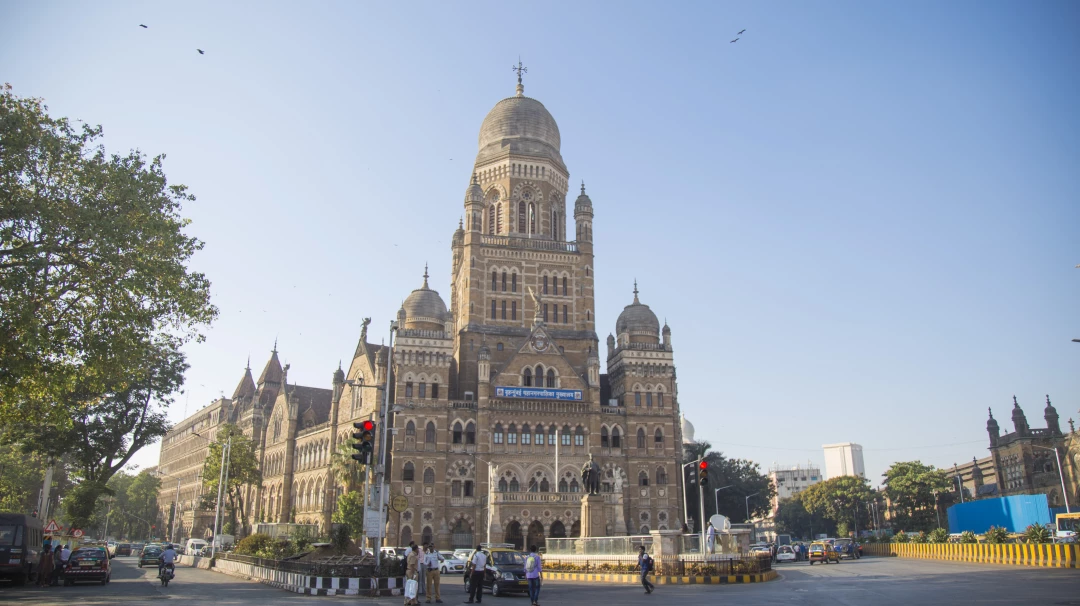
Mumbai is gearing up for one of its most ambitious civic initiatives in recent years as the city’s municipal authority unveils a comprehensive cleanliness competition aimed at involving citizens, institutions and local organisations in keeping the city cleaner and more beautiful. The competition comes with a total prize pool of ₹4.2 crore, offering significant rewards to communities and establishments that demonstrate outstanding commitment to sanitation and public hygiene throughout the year.
The initiative, named Swachhta Manthan, will run from January through December 2026, covering a wide range of categories across the city’s diverse neighbourhoods. Officials behind the plan say the competition is designed not just as a contest, but as a long-term effort to shift public behaviour and elevate civic pride among residents in every corner of Mumbai.
A Citywide Push for Sanitation
Under the new plan, participating areas will be evaluated in various cleanliness categories, including but not limited to:
- Clean administrative wards
- Clean residential complexes
- Clean commercial establishments
- Clean schools and hospitals
- Clean roads and streets
- Clean markets and public spaces
- Clean slum areas
- Clean community toilets
Each category will offer tiered cash prizes for first, second and third place winners. While most categories will see top prizes of up to ₹15 lakh for first place, the administrative ward category will feature a larger top prize of ₹50 lakh, reflecting the broader impact these areas have on overall urban hygiene.
Civic Engagement at the Core
The municipal authority is placing strong emphasis on active public participation. Citizens, housing societies, business owners and even celebrities are being encouraged to adopt specific areas of the city and maintain them to high standards of cleanliness. This “adopt and maintain” approach aims to shift responsibility beyond municipal workers to the people who live, work and operate within these spaces.
Chief city leaders have publicly appealed to private organisations, local communities and individuals to join the competition in large numbers, underscoring that sanitation is a shared responsibility. The hope is that by fostering a sense of ownership, residents will take pride in their immediate environments and help address long-standing waste management challenges.
Independent Evaluation and Recognition
To ensure fairness and credibility, performance assessments will be conducted by an independent third-party agency. In addition to cash awards, winners will receive certificates acknowledging their achievements in improving local sanitation. A grand award ceremony is expected to take place at the end of 2026, where top performers will be publicly recognized in the presence of senior civic leaders.
Officials stress that the competition’s success will depend on clear guidelines, transparent evaluation criteria and ongoing support from neighbourhood organisations. Detailed participation procedures and entry criteria will be announced in the coming weeks to give prospective participants time to prepare and register.
Why This Matters
Mumbai, like many large metropolitan cities, has faced persistent challenges related to solid waste management and littered public spaces. Streets, roadsides, beaches and open areas often struggle with waste accumulation, especially during peak seasons and festival periods when public activity intensifies. Previous efforts to improve sanitation have included separate waste collection contracts and targeted cleanup operations, but officials believe that a competitive framework could unlock deeper civic involvement and sustained progress.
The introduction of cash incentives marks a novel strategy for Mumbai’s civic administration, signalling a shift towards community-driven environmental stewardship rather than solely top-down enforcement. By rewarding excellence in cleanliness, the competition aims to make civic hygiene not just a government mandate but a community achievement.
Challenges and Expectations
While the initiative has been welcomed by many as a positive step, experts and residents note that meaningful impact will require long-term behavioural change, not just temporary improvements. Consistent waste segregation, responsible disposal habits, regular street sweeping and community collaboration will be essential to ensure that cleanliness gains are maintained beyond the competition’s duration.
There is also recognition that involving private establishments and influential public figures can help amplify the message of sanitation. When schools, businesses and cultural leaders champion clean environments, the ripple effect can inspire broader sections of society to follow suit.
Looking Ahead
As the calendar turns to 2026, all eyes will be on Mumbai’s new cleanliness competition to see whether it can catalyse real change in one of India’s busiest and most complex urban landscapes. With substantial prize money on offer and a structure that invites citizen participation, the initiative has the potential to transform public expectations around sanitation and empower communities to take pride in their surroundings.
A cleaner Mumbai is not just a visual improvement – it is a crucial step toward better public health, environmental sustainability and urban quality of life for millions of residents and visitors alike.
Subscribe Deshwale on YouTube
