



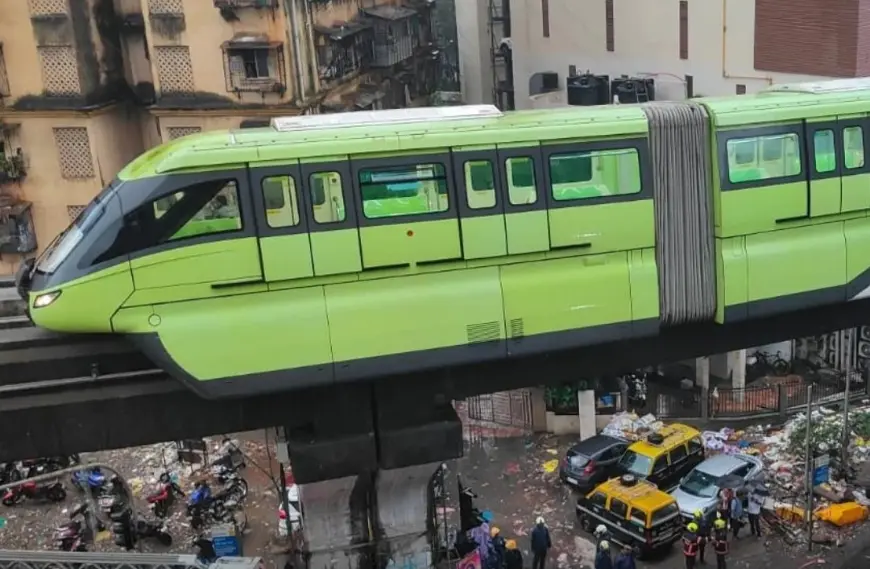
Mumbai’s monorail system, which has long faced frequent breakdowns and reliability issues, is now heading for a complete technological overhaul. Beginning September 20, 2025, services will be halted to make way for major upgrades that aim to transform the city’s much-criticised transit line into a safer, more reliable, and future-ready system.
Smarter Signalling with CBTC
The biggest change will be the installation of Communication-Based Train Control (CBTC) technology. Unlike traditional fixed-block signalling, CBTC uses continuous wireless communication between trains and control systems. This allows trains to run closer together, improves punctuality, and enhances safety. The CBTC system being deployed has been developed in India, showcasing the country’s growing capacity in advanced railway technologies.
Wayside and Onboard Upgrades
Alongside CBTC, the project includes new wayside signalling equipment, onboard train units, and RFID tagging along the tracks. Together, these systems will allow precise train positioning and smoother operations. The RFID technology, for example, will help detect exact train locations, reducing the risk of stoppages and sudden failures.
New Rakes Made in India
The monorail’s outdated rakes have been a key source of delays and accidents in the past. Fresh indigenously manufactured rakes are being added to the fleet. These trains are expected to be more reliable and easier to maintain, while also supporting the advanced signalling technology being introduced.
Why a Full Shutdown?
Authorities have explained that upgrading such critical systems cannot be done in the small night window of three to four hours normally available. A full suspension ensures that power lines can be safely shut off, and work can progress without daily interruptions. While the pause will inconvenience regular commuters, officials believe it is the fastest way to deliver lasting improvements.
Impact and Outlook
For years, the Mumbai Monorail has struggled to earn commuter trust, often making headlines for breakdowns, especially during the city’s heavy monsoons. With CBTC and new rolling stock, transport experts say the system could finally achieve the reliability needed to integrate smoothly into Mumbai’s larger transit network, alongside metro lines and suburban trains.
This upgrade is not just about fixing glitches; it marks a shift towards smarter, locally powered transport infrastructure that could set a model for similar projects across India.
