









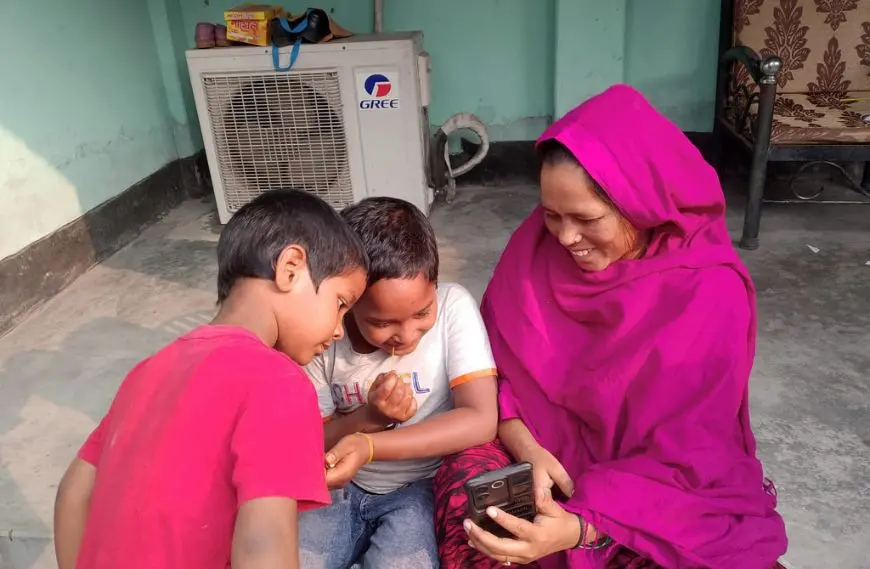
Sometimes a story reminds us that motherhood is not protected by borders, rules or paperwork. And look, the case of a pregnant woman deported to Bangladesh brought that reminder into the spotlight. It is not only a legal case.
It is a story of a mother who wanted safety for herself and her eight-year-old son, and a country that had to decide whether law should step aside for compassion. To be honest, you won’t believe this unless you pause and think about what she was going through.
A mother caught between two countries
Sunali lived a simple life in Delhi. She worked as a domestic helper. Her husband worked too. Their young son went to school. Nothing about their life suggested controversy or risk. Then one morning, everything changed. Suddenly authorities detained Sunali, her husband and their son for failing to show valid identity proof. Within days, they were deported to Bangladesh. And guess what, it happened so fast that there was not even time to understand what went wrong.
According to legal records, Sunali was already pregnant at that time. Her pregnancy did not stop the deportation. The family was removed from the country they called home. Nothing prepared them for it. They had no chance to explain or defend themselves. For a mother, that meant something worse. Safety disappeared. Access to medical care vanished. Familiar surroundings were gone. Honestly, think about it for a moment, picture being pregnant and suddenly finding yourself in a different country with no support.
A court hears the story differently
Months later, the Supreme Court of India took up the case. The judges did not focus only on documents and procedures. They asked a more human question. Why? What happens to a mother in late pregnancy without medical support? What happens when a child is suddenly moved to a place he does not know?
The court pressed the government to find an answer guided by compassion. It noted that motherhood cannot wait for paperwork. It cannot pause while files move through diplomatic channels.
After the court’s intervention, the government agreed to bring Sunali and her son back to India. Turns out, the order included clear instructions for medical supervision, safe housing and support for the child.
For many observers, that moment showed something important. Law can be strict, yet justice still has room for empathy. And that’s when things changed for her. Seriously, that single decision gave her hope again.
Even after the assurance, the return required multiple formal steps. Because the deportation was carried out officially, the repatriation needed an official record too. This meant both countries had to coordinate. Security procedures had to be followed. There had to be supervision. But then, the goal remained the same. Sunali needed timely treatment. Her son needed a safe place. Their family in West Bengal waited for them.
The court directed that the mother and son stay near their relatives after their return. The district’s Chief Medical Officer was instructed to provide pregnancy and delivery care at no cost. The order did not just talk about health. It also recognised the child’s emotional needs and directed authorities to support him as well. Believe it or not, acknowledging a child’s emotions in a legal matter felt surprisingly thoughtful.
Stories like this often stay hidden inside heavy legal files. They appear as case numbers and notices. However, behind every case is a real family.
Deportation is not only a legal act. It is a shock to a child’s sense of safety and a threat to a mother’s health. To be fair, most of us never imagine how quickly life can flip without warning.
Although the case has broader legal questions, this angle is not about them. It is about what happens when a woman in late pregnancy crosses borders without a choice. It is about how a child waits for a place he can call home. It is about how society chooses to respond. And if we are being real, the emotional weight of that should matter.
When the court said the law must bend to humanity, it reflected something unexpected. Legal identity can be unclear. But a mother’s need for protection is not unclear at all.
The court has not ended the legal debate.
- It will examine the citizenship claims later.
- It will also review the situation of others facing similar deportation issues.
But for now, Sunali and her son are returning to medical safety. Their story reminds us that motherhood is universal.
A border cannot change that. And suddenly everything made sense, compassion led the way.
Subscribe Deshwale on YouTube


