



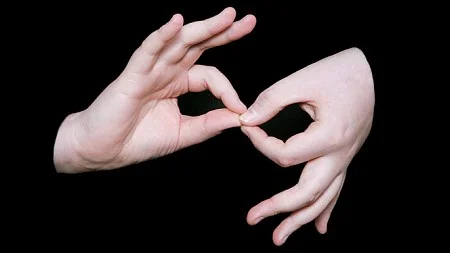
In July 2025, hands speak louder than ever. Across the globe, 70 million people use sign languages—vibrant, silent tongues that carry stories, culture, and identity. From India’s bustling deaf schools to virtual reality (VR) festivals in Canada, sign languages are thriving in the digital age. AI translates gestures instantly, and new signs for “metaverse” and “sustainability” emerge. Yet, local dialects, like the unique gestures of Indian Sign Language (ISL), face erosion. This is the story of sign languages in the digital era—dynamic, diverse, and determined to endure.
A Language of Hands
Sign languages are not one-size-fits-all. American Sign Language (ASL) differs from Japanese Sign Language (JSL), and India’s ISL, used by 6 million, varies by region. “Sign language is our heartbeat—it must evolve but stay true,” says Anil Sharma, a deaf educator in Delhi. July, a month of global deaf events like SignFest in Toronto, highlights this diversity.
Technology is reshaping access. In 2025, Microsoft’s SignBridge AI translates signs to text in real-time, helping 12 million users. VR platforms create virtual “deaf spaces” for global connection. But there’s a catch: tech often prioritizes dominant languages like ASL, sidelining smaller dialects like Tamil Nadu’s ISL variant. “Our signs are fading,” Anil warns. On X, #SignDiversity trends, with users sharing local gestures to fight standardization.
Cultural Crossroads
Sign language is more than communication—it’s culture. In Nigeria, deaf youth use local signs to tell ancestral tales. In France, LSF (French Sign Language) ties to poetic gestures. But global platforms push English-based signs. A 2025 study finds 35% of deaf teens adopt ASL online, abandoning regional forms. “Our signs are our history,” says a Nigerian signer on X.
July fuels resistance. Canada’s SignFest hosts workshops to coin signs for terms like “blockchain.” In India, deaf groups create an ISL sign for “digital equity.” Funding, however, is scarce—community programs survive on donations. “Tech giants profit, but we need support,” Anil says. His school trains hearing allies to preserve ISL dialects.
Voices in Silence
Meet Riya, a 25-year-old deaf artist in Jaipur. Her ISL dance videos on X reach 500,000 views in July. “Signing lets me soar,” she says. In Toronto, Liam, a VR developer, builds sign-friendly apps. “It’s about access for all,” he says. Their work bridges divides, but barriers remain. VR headsets cost $600, out of reach for many. Rural deaf communities in Nigeria lack internet access.
Grassroots efforts shine. In Japan, JSL clubs host free classes. In the UK, BSL apps fund deaf schools. On X, #SignPride posts inspire millions, with July videos showcasing signs from Brazil to Bangladesh. “We’re building a movement,” Riya says. Her art sparks pride, countering tech’s push for uniformity.
Tech’s Promise and Pitfalls
Technology opens doors. SignBridge boosts learning—deaf students using AI tools score 25% higher, per 2025 data. VR festivals unite communities across borders. But algorithms favor ASL and BSL, marginalizing smaller languages. Liam’s VR app lets users save local signs, a step toward inclusion. “We need tech that respects diversity,” he says.
Policy lags behind. Only 55 countries recognize sign languages officially. India’s 2025 accessibility act funds ISL programs, but implementation is slow. Global efforts, like UNESCO’s 2025 sign language grants, offer hope. July’s events—workshops, festivals, rallies—drive change, pushing for sign languages to thrive online and offline.
How to Support the Sign Language Movement
You can join the effort:
- Learn a Sign: Take free ISL or ASL classes online to connect with deaf communities.
- Share on X: Post local signs with #SignDiversity to spread awareness.
- Support Access: Donate to deaf schools or advocate for affordable tech.
- Attend Events: Join July festivals like SignFest to celebrate sign language culture.
Shaping the Silent Future
What’s next? Open-source AI tools, like SignShare, let communities add their signs to databases. India’s deaf seek $1.5 million to archive ISL dialects. “Every gesture matters,” Anil says. July 2025, with its global deaf gatherings, sets the tone. Riya’s art and Liam’s apps redefine silence.
Sign languages prove communication needs no sound. Hands weave stories; gestures hold heritage. In July, the deaf community signs boldly, demanding the digital era listen. The future is clear: sign languages will not just survive—they’ll shape the world.
