




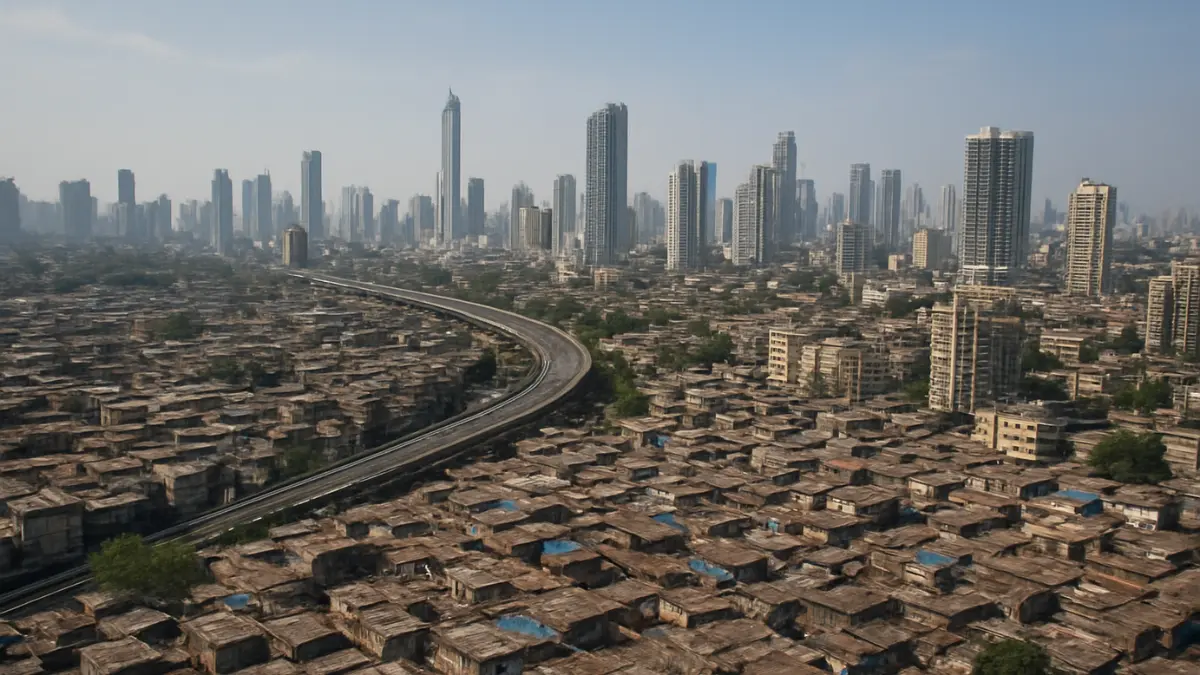
Sion–Dharavi is entering a new phase as Mumbai prepares for one of its largest urban renewal drives. The district, long known for its dense streets and micro-industries, is now positioned for a shift that blends social change, economic revival and major real estate development. With the Dharavi Redevelopment Project moving ahead and Sion’s road and transport network improving, the area is emerging as a strong future growth corridor.
Sion already holds strategic value. Its links to the Eastern Express Highway, Eastern Freeway and upcoming metro routes give it an advantage that few central locations can match. This connectivity is drawing interest from developers and investors who see long-term demand in the region. As redevelopment unfolds in phases, the market expects new homes, business centres, commercial complexes and logistics spaces to rise across the belt. The demand will likely come from rehabilitated residents along with new homebuyers who want central access and modern amenities. Retailers and small businesses also note the potential for a larger customer base and a more active workforce.
Industry voices are taking a close look. Rajendra Rajan, Founder of TransIndia, describes Sion–Dharavi as one of Mumbai’s strongest central stories. He says the corridor offers scale that is rare within the city’s core. He adds that redevelopment can deliver value if it balances rehabilitation with economic growth. According to him, the outcome depends on sensitive and responsible project execution.
Urban experts also stress caution. They point out that Dharavi hosts vital micro-industries like leather production, pottery, recycling units and food-processing hubs. These clusters support thousands of livelihoods. Analysts warn that redevelopment must protect this ecosystem. They recommend transitional workspaces, rental assistance and careful phasing so that workers can continue operations during the shift. They also believe investor confidence will rise once rehabilitation begins on-ground and early infrastructure upgrades become visible.
At the centre of the redevelopment is a detailed plan to reorganise the layout of the district. The blueprint proposes wider roads, better mobility routes and pedestrian-friendly lanes. It aims to integrate the area with new rail and metro links, which can change how people commute, trade and access services. The plan also includes schools, clinics and community spaces to improve quality of life while keeping the area’s identity intact.
Although the challenges remain complex, the direction of progress is becoming clearer. With its inclusive redevelopment approach, Sion–Dharavi has the potential to show how dense and diverse urban pockets can transform into sustainable, well-planned and economically strong districts.
Also read: Is Ranveer Singh’s Character in Dhurandhar Really Controversial?
Join Our Whatsapp Group