









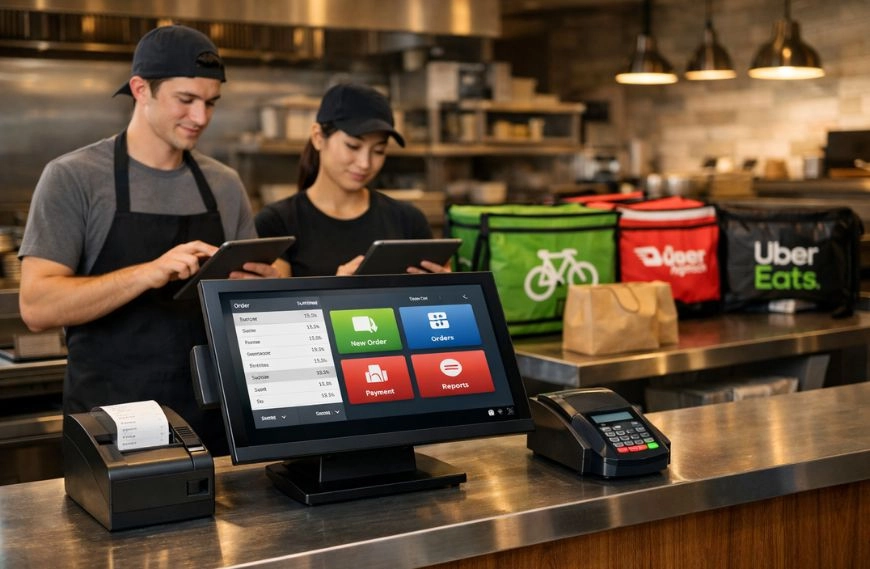
POS Systems, Online Reservations, and Delivery Apps
By: Prathamesh Amrute
The restaurant industry has always been dynamic, adapting to shifts in consumer behavior and market trends. In recent years, however, technology has become the most transformative force reshaping how restaurants operate, engage with customers, and compete. From point-of-sale (POS) systems to online reservations and delivery apps, digital tools are redefining efficiency, accessibility, and customer experience in ways that were unimaginable a decade ago.
At the core of this transformation are modern POS systems. Once limited to cash registers and basic billing, today’s POS platforms are sophisticated hubs that integrate sales, inventory, and customer data. They allow restaurants to track real-time performance, manage supply chains, and streamline operations with remarkable precision. Cloud-based POS systems, in particular, offer flexibility by enabling managers to access data remotely, monitor multiple outlets, and make informed decisions instantly. For staff, these systems simplify order-taking and payment processing, reducing errors and improving speed. For customers, they ensure smoother transactions and greater transparency. In essence, POS systems have evolved into the backbone of restaurant management.
Online reservations represent another technological leap that has revolutionized customer engagement. Gone are the days when diners had to call ahead or risk long waits. Platforms such as OpenTable, Yelp Reservations, and countless regional apps allow customers to book tables effortlessly, often with real-time updates on availability. Restaurants benefit by optimizing seating arrangements, reducing no-shows through automated reminders, and collecting valuable data on customer preferences. This data can be leveraged to personalize experiences, such as remembering a guest’s favorite table or noting dietary restrictions. Online reservations also enhance brand visibility, as restaurants listed on popular platforms gain exposure to new audiences searching for dining options.
Perhaps the most disruptive innovation in recent years has been the rise of delivery apps. Companies like Swiggy, Zomato, Uber Eats, and DoorDash have fundamentally altered dining habits by bringing restaurant meals directly to customers’ homes. For consumers, the appeal lies in convenience, variety, and the ability to explore cuisines without leaving their living rooms. For restaurants, delivery apps expand reach beyond physical locations, tapping into new demographics and boosting sales. However, they also introduce challenges, particularly around commission fees, packaging quality, and maintaining brand identity outside the restaurant environment. Many businesses are responding by creating delivery-optimized menus, investing in eco-friendly packaging, and even launching their own direct-order platforms to reduce reliance on third-party apps.
The integration of these technologies creates a holistic ecosystem where efficiency and customer satisfaction converge. A diner might book a table online, enjoy a seamless in-restaurant experience powered by a POS system, and later order delivery through an app—all interactions reinforcing loyalty to the brand. For restaurants, the ability to collect and analyze data across these touch-points is invaluable. Insights into customer behavior, peak dining times, and popular menu items enable smarter decision-making and more targeted marketing.
Beyond operational benefits, technology also enhances resilience. The COVID-19 pandemic underscored the importance of digital adaptability, as restaurants that embraced online reservations, contactless payments, and delivery platforms were better positioned to survive lockdowns and shifting regulations. Even in the post-pandemic era, these tools remain essential, reflecting a permanent change in consumer expectations.
Looking ahead, the role of technology in restaurants will only deepen. Artificial intelligence promises to refine personalization, predicting customer preferences and suggesting menu items. Robotics may streamline kitchen operations, while blockchain could enhance transparency in sourcing and supply chains. The challenge for restaurants will be to adopt these innovations thoughtfully, ensuring that technology enhances rather than replaces the human touch that defines hospitality.
POS systems, online reservations, and delivery apps are not just tools—they are strategic assets that shape the future of the restaurant industry. By embracing technology, restaurants can achieve greater efficiency, expand their reach, and deliver experiences that align with modern consumer lifestyles. In a competitive market where convenience and personalization are paramount, technology is no longer optional; it is the recipe for success.
Author Bio:- (Prathamesh Amrute has extensive experience in the hospitality management industry. He completed postgraduate studies in Hospitality Management at a prominent college in Toronto, Canada.)
Subscribe Deshwale on YouTube


