









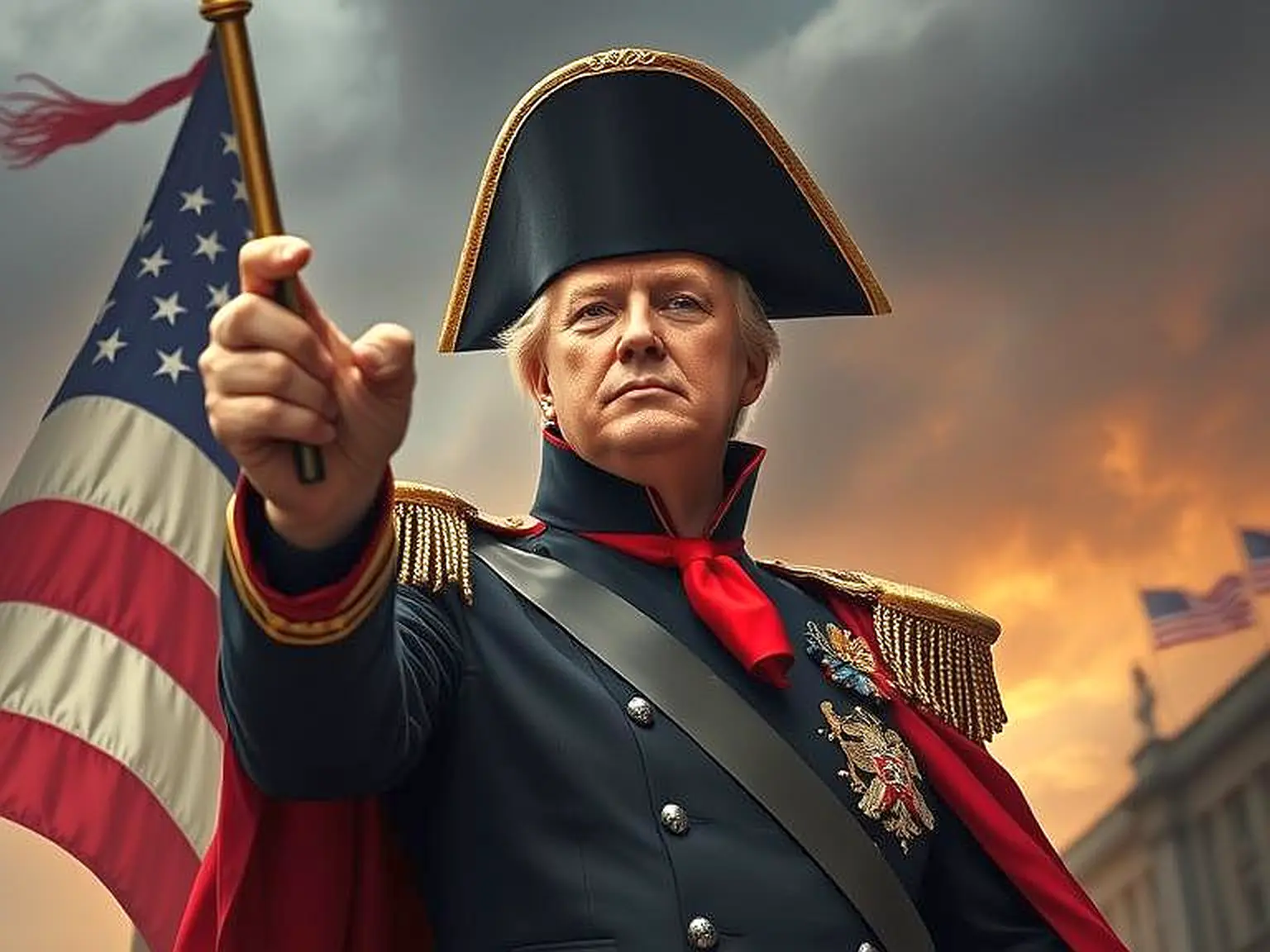
US President Donald Trump has stirred controversy by citing Napoleon Bonaparte, “He who saves his country violates no law”, amid escalating legal battles over his sweeping executive orders. The remark, posted on his Truth Social account, has drawn sharp criticism, with opponents accusing him of justifying authoritarianism. Supporters, however, argue he is taking decisive action to ‘restore the nation.’


Since returning to office, Trump has signed a wave of executive orders targeting immigration, federal employment, and birthright citizenship. Among the most contentious are:
- A directive to end birthright citizenship for children of undocumented immigrants.
- An executive order expanding deportation authority, broadening the definition of who can be removed without due process.
- A federal hiring overhaul, allowing the administration to fire government employees deemed obstructive to the president’s agenda.
These moves have triggered nearly 50 lawsuits from civil rights groups, state attorneys general, and advocacy organisations. Several federal judges have already issued temporary injunctions blocking parts of these policies, questioning their constitutionality.
Legal scholars note that the Supreme Court is likely to weigh in, with constitutional checks on executive authority at the heart of the legal challenges.
Trump’s decision to quote Napoleon has intensified scrutiny. Critics argue it signals a disregard for legal boundaries. Senator Adam Schiff called it ‘a dictator’s mindset,’ while political commentator Rachel Maddow said Trump’s words were “a chilling indication of his governing philosophy.”

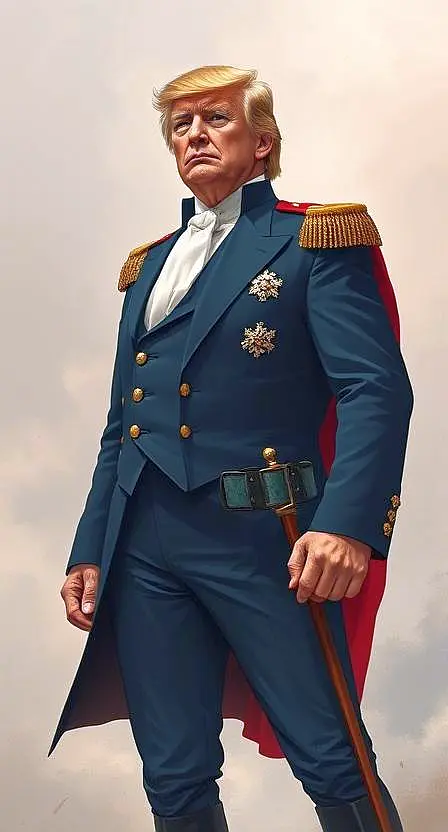
The comparison has fueled media debates, with some historians pointing out that Napoleon, after seizing power in France, abolished democratic institutions and declared himself emperor. Others, however, suggest Trump may have been referencing Napoleon’s self-perception as a leader who defied norms to save his nation.
Meanwhile, Vice President JD Vance, defending Trump, dismissed the controversy, by saying, “The Constitution gives the executive power for a reason. The courts shouldn’t override that authority just because they disagree politically.”
Constitutional law experts warn that the legal battles could shape the limits of executive authority for decades. Harvard Law Professor Laurence Tribe stated, “No president is above the law, even if they claim it’s for the country’s good. That’s not how the Constitution works.”
However, Russell Vought, former Trump budget director, argues that America is in a ‘post-Constitutional moment,’ requiring bold action to counter what he calls, deep state resistance, inside the government.
With federal courts already intervening, the legal showdown is set to escalate, likely reaching the Supreme Court in the coming months. Trump’s political base remains largely supportive, while opponents warn of executive overreach.
As the debate rages on, one question looms large: Is Trump acting as a necessary disruptor, or a leader testing the limits of presidential power?


