









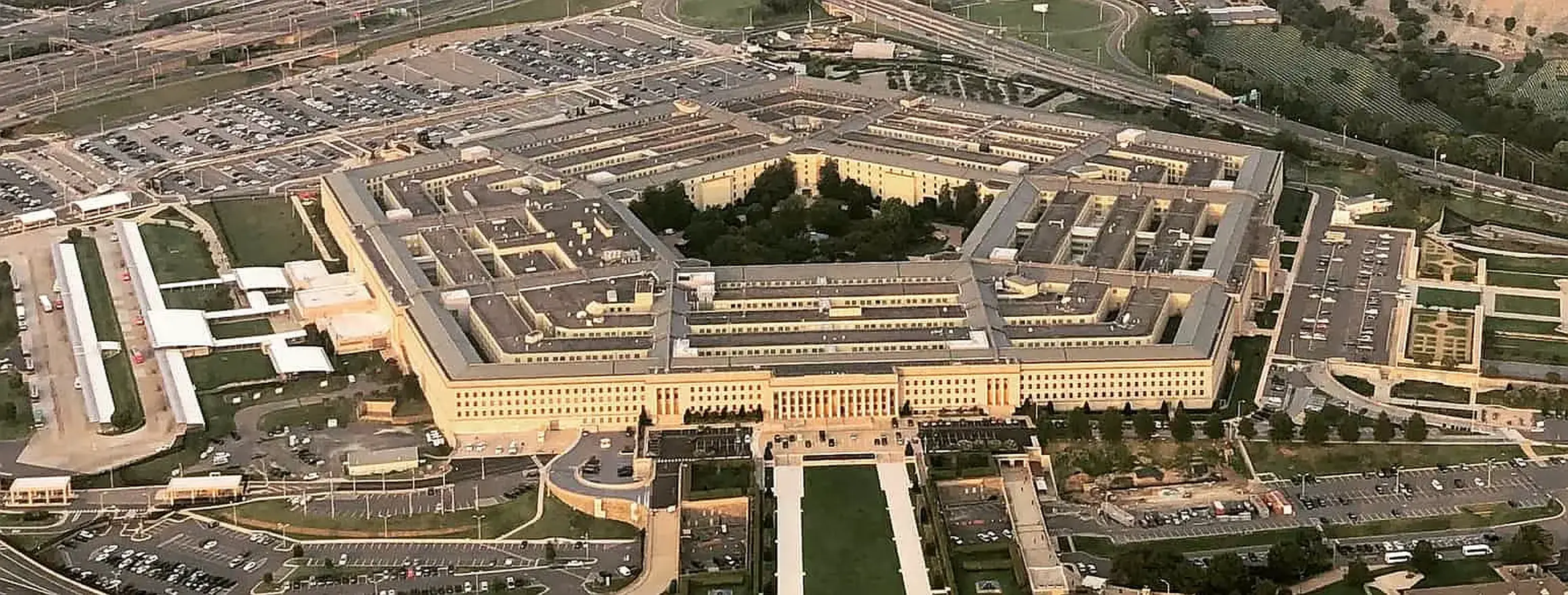
The Trump administration has directed the Pentagon to implement budget cuts amounting to $290 billion over the next five years, a move that signals a significant shift in US defence spending priorities. The directive, spearheaded by Defence Secretary Pete Hegseth, aligns with Trump’s broader push to reduce government expenditure while reshaping military strategy.


According to internal documents and sources familiar with the matter, the Pentagon has been tasked with slashing its budget across multiple departments, with an emphasis on reducing operational costs, downsizing certain military programs, and streamlining defence contracts. The proposed reductions will impact weapons procurement, overseas deployments, and intelligence operations, with a stronger focus on modern warfare tactics, cybersecurity, and artificial intelligence-driven defence strategies.
Sources indicate that the administration is prioritising a leaner but technologically advanced military force, moving away from traditional large-scale troop deployments. Programmes related to legacy fighter jets, naval expansion, and certain missile systems are likely to see reduced funding, while investment in hypersonic weapons, drone warfare, and space defence initiatives is expected to continue.


The budget cuts have sparked internal resistance within the Pentagon, with top military officials raising concerns about national security risks and the potential weakening of US global military influence. Some analysts warn that the reductions could impact US commitments to NATO and military aid to Ukraine, a contentious issue in the wake of ongoing geopolitical tensions.
On the political front, the decision has triggered debates in Congress, with Republican and Democratic lawmakers divided over the implications of the cuts. While fiscal conservatives support defence budget efficiency, opponents argue that downsizing the military could embolden global adversaries.
The Pentagon has been given a strict timeline to present a revised budget plan that aligns with the administration’s cost-cutting mandate. However, with elections looming and bipartisan scrutiny intensifying, the fate of these sweeping reductions remains uncertain.


