



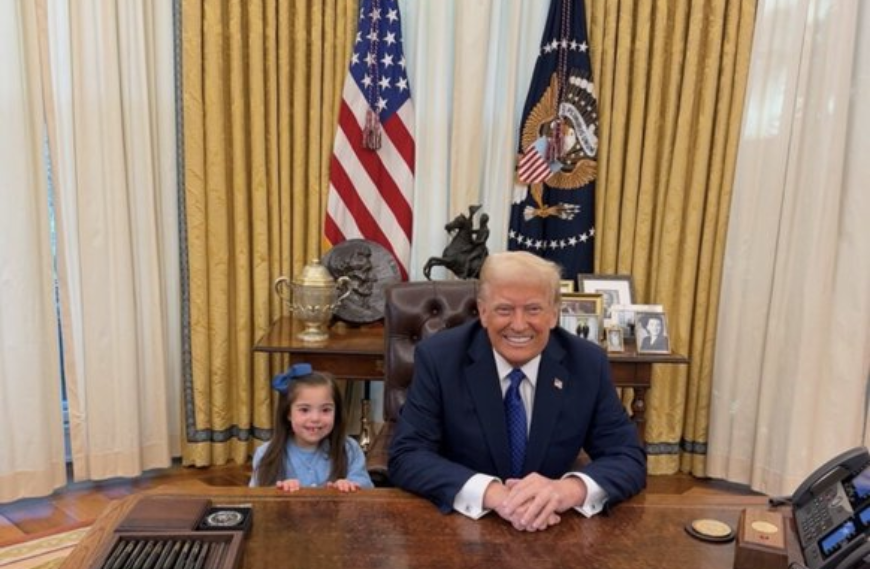
On October 23, 2025, U.S. President Donald Trump imposed stringent sanctions on Russia’s two largest oil companies, Rosneft and Lukoil, marking the most severe U.S. measures against Russian businesses during the ongoing war with Ukraine. These sanctions have significant implications for India, a major importer of Russian oil.
Impact on Indian refiners
The sanctions are expected to have a profound impact on Indian refiners, particularly private sector players like Reliance Industries and Nayara Energy. Analysts estimate that Reliance’s earnings before interest, taxes, depreciation, and amortization (EBITDA) could decline by approximately ₹3,000–3,500 crore due to the reduced availability of discounted Russian crude. Similarly, Nayara Energy, which is partially owned by Rosneft, faces operational challenges as Western shipping companies refuse to transport non-Russian crude, limiting its sourcing options.
India’s diplomatic response
In response to the sanctions, India has reaffirmed its commitment to continue purchasing oil from Russia, emphasizing its “steady and time-tested” relationship with the country. The Indian government has expressed concerns over the extraterritorial application of U.S. sanctions, asserting that such measures should not dictate India’s foreign policy decisions. This stance underscores India’s intention to maintain strategic autonomy in its energy procurement choices.
Strategic implications for India
The sanctions present India with a multifaceted challenge. On one hand, adhering to U.S. sanctions could jeopardize its energy security by disrupting access to affordable Russian crude. On the other hand, continuing to engage with Russia may strain relations with the United States, a key strategic partner. This situation tests India’s diplomatic agility, requiring a nuanced approach to balance its energy needs with its international alliances.
India’s response to the U.S. sanctions on Russian oil will be a critical indicator of its foreign policy direction and its ability to navigate complex international relations. The outcome of this situation could have lasting implications for India’s energy strategy and its position in the global geopolitical landscape. As the situation develops, it will be essential to monitor India’s diplomatic engagements and policy adjustments to understand the broader impact on its international standing.
