



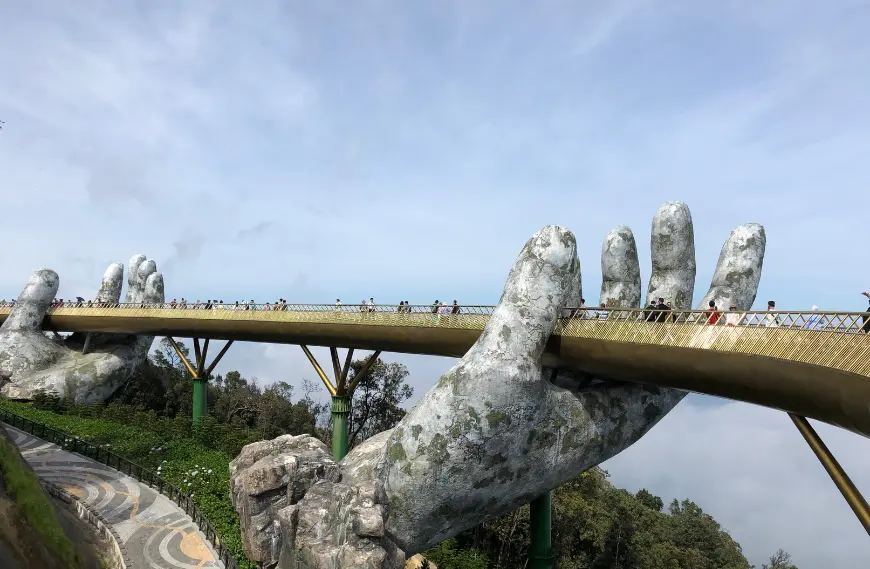
Vietnam has emerged as Southeast Asia’s fastest-growing tourist hub, drawing global travellers at an unprecedented rate. In 2024, the country recorded approximately 17.5 million international visitors, overtaking Singapore and positioning itself among the region’s top travel hotspots. A combination of visa reforms, improved connectivity, luxury hospitality, and cultural appeal has fuelled this remarkable growth.
Easier Visa policies and direct flights
Vietnam’s simplified visa regulations have made it easier for tourists to visit. In 2023, the government introduced an electronic visa (e-visa) system, allowing stays of up to 90 days, a major upgrade from previous limits. Visa-free entry has also been extended to countries like South Korea, Japan, France, and Germany.
Direct flight connectivity has significantly improved, with Vietnam Airlines launching a historic nonstop route to the US. New routes connecting major Indian cities to Vietnam’s tourist hubs have also driven a surge in Indian visitors.
Luxury hotels and a thriving culinary scene
Vietnam’s hospitality industry is undergoing a transformation, with global luxury brands expanding their presence. New hotels like Regent Phu Quoc, Capella Hanoi, and JW Marriott Hotel & Suites Saigon have set new standards in high-end accommodations. Future developments from Park Hyatt and Ritz-Carlton Reserve promise to elevate Vietnam’s luxury appeal further.
The country’s growing reputation as a culinary destination was cemented by the 2024 expansion of the Michelin Guide into Vietnam, spotlighting its vibrant food scene. Hanoi and Ho Chi Minh City now feature Michelin-starred restaurants, drawing food lovers from around the world.
Rising popularity for destination Weddings and Elite travel
Vietnam has become a preferred choice for destination weddings, particularly among Indian travellers. The picturesque beaches of Phu Quoc and the iconic Ha Long Bay offer stunning backdrops for celebrations, contributing to a 297% increase in Indian tourist arrivals compared to pre-pandemic levels.
Luxury resorts catering to high-end travellers have further cemented Vietnam’s status as a premium travel destination, competing with traditional hotspots like Thailand and Japan.
Major infrastructure boost and future growth
Vietnam’s ambitious tourism expansion plans include the upcoming Long Thanh International Airport near Ho Chi Minh City. Set to become one of the largest airports in Southeast Asia, it aims to accommodate up to 25 million passengers annually, further solidifying Vietnam’s place on the global tourism map.
Diverse natural and cultural attractions
Beyond urban luxury, Vietnam’s natural beauty and cultural richness continue to attract visitors. From the breathtaking limestone formations of Ha Long Bay to the lush terraced fields of Sa Pa, the country offers diverse landscapes for nature lovers. Historical sites in Hue, ancient temples in My Son, and bustling markets in Hoi An provide immersive cultural experiences that make Vietnam a must-visit destination.
With a perfect blend of modernity, tradition, and natural beauty, Vietnam’s tourism boom shows no signs of slowing down.
