



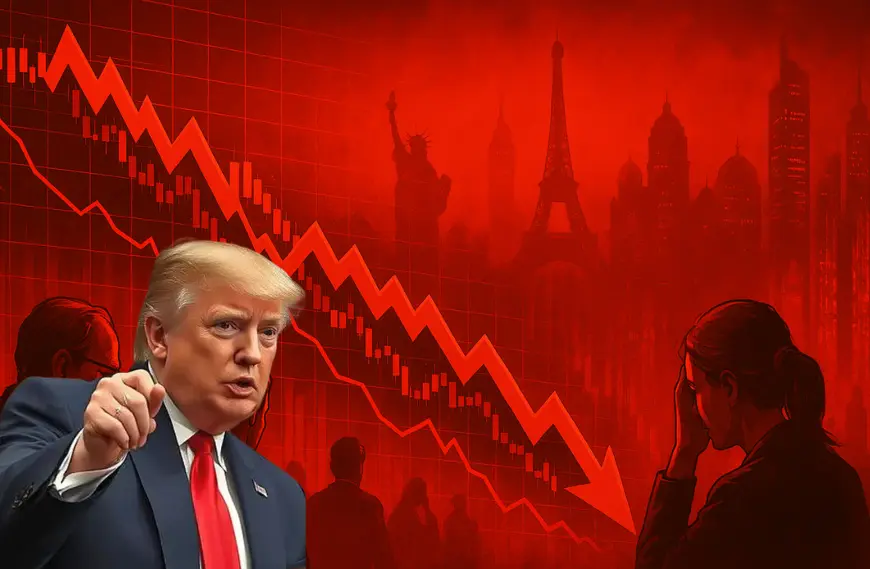
In a dramatic escalation of trade tensions, President Donald Trump has threatened to impose an additional 50% tariff on Chinese imports unless Beijing withdraws its recently announced 34% retaliatory tariffs on U.S. goods. This move could elevate total U.S. tariffs on Chinese products to a staggering 104%.
China’s response was swift and resolute. The Chinese Embassy in Washington condemned the U.S. approach, labelling it as unilateral and protectionist. They emphasized China’s determination to safeguard its legitimate rights and interests, asserting that pressure tactics are inappropriate.
The tit-for-tat measures have sent shockwaves through global markets. The Dow Jones Industrial Average dropped 0.9% amid fears of an escalating trade war. Despite this, President Trump remains steadfast, viewing short-term market volatility as a necessary sacrifice for long-term economic gains.
Internationally, concerns are mounting. Allies such as Japan have expressed apprehension over the potential global economic impact. Domestically, business leaders, including Elon Musk, have criticized the administration’s tariff strategy, highlighting the adverse effects on industries and consumers.
China has vowed to “fight to the end” in this escalating trade conflict, condemning the U.S. actions as blackmail. The Chinese commerce ministry has scheduled the implementation of its 34% tariffs on U.S. goods, emphasizing that further escalation will be met with resolute countermeasures.
As the world’s two largest economies remain locked in this high-stakes standoff, the global community watches with bated breath, hoping for a resolution that averts further economic turmoil.
