



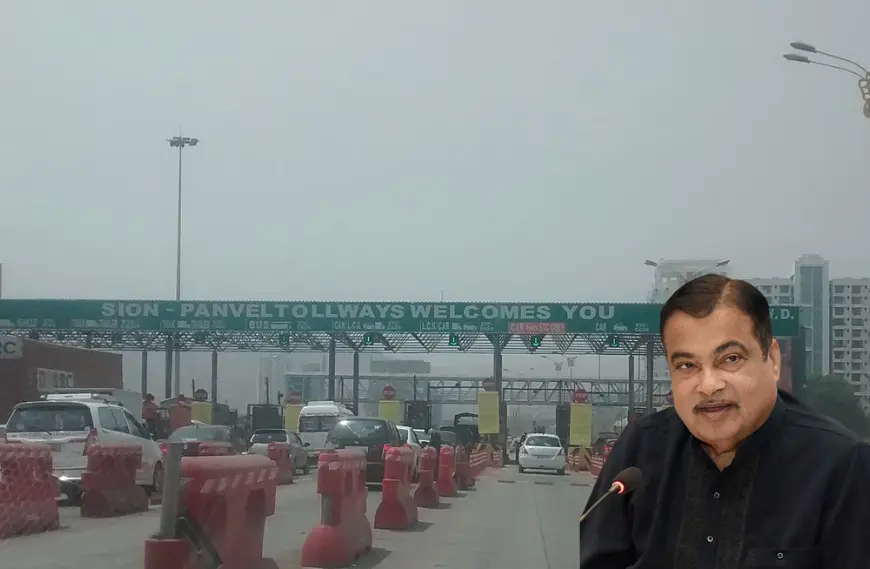
India may soon see a major shift in how toll is collected on highways. The government is planning to introduce a new satellite-based toll collection system, which could bring down toll rates and eliminate traditional toll plazas.
Toll plazas to go, GPS system to take over
In a recent update, the Road Transport Ministry confirmed that the existing FASTag-based system will soon be replaced by a more advanced GPS-based toll collection model. This move aims to make tolling faster, more transparent, and cheaper for regular commuters.
Under this system, toll will be charged based on the exact distance travelled on a highway. This eliminates the need for physical toll booths, reducing congestion and travel time. Vehicles would be tracked via satellite, and payments would be automatically deducted.
Rates expected to come down
The new toll structure is designed to lower the burden on drivers. Currently, commuters pay for full-length stretches, even if they travel only a part of the route. With the new GPS model, they will pay only for the actual distance travelled.
Officials say this will reduce toll charges by up to 30% for many users.
Pilot tests already conducted
The National Highways Authority of India (NHAI) has already conducted pilot trials of the GPS-based system. Trials were run in selected corridors, and the results have shown successful implementation with minimal errors.
The system will also help curb toll evasion and improve revenue collection accuracy.
When will it roll out?
The final rollout plan is expected to be announced soon. The Ministry said the transition will be gradual, and both FASTag and GPS-based systems may run in parallel for some time.
To support the switch, new vehicles may come with pre-installed tracking devices, and older vehicles will be offered upgrade options.
Why the change matters
India has seen rapid growth in expressways and highways over the last decade. But toll collection has remained a point of frustration for many commuters. Long queues, system errors, and overcharging have raised complaints.
The GPS toll system hopes to address these issues while also cutting operational costs, improving road usage, and aligning with global tolling standards.
