



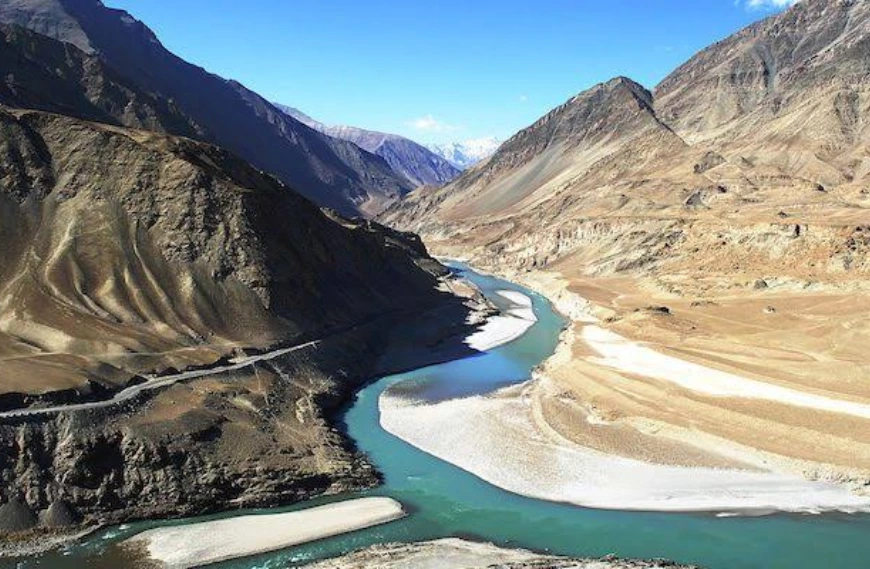
On 22 April 2025, a deadly terror attack in Pahalgam, Kashmir, claimed 26 lives. In response, India took a bold and strategic step: the suspension of the Indus Water Treaty with Pakistan.
What is the Indus Water Treaty?
Signed in 1960 under World Bank supervision, the treaty allocated:
- Eastern rivers (Ravi, Beas, Sutlej) to India
- Western rivers (Indus, Jhelum, Chenab) to Pakistan
India was allowed limited usage of western rivers for hydropower and irrigation.
What actions has India taken now?
- The treaty has been indefinitely paused, giving India full leverage over river usage.
- Construction of dams and power projects on western rivers is underway.
- Diplomatic and public pressure is being mounted against Pakistan over cross-border terror.
What if India blocks the Indus water flow?
- Over 80% of Pakistan’s agriculture relies on Indus waters.
- Major hydroelectric power plants would face shutdowns.
- Drinking water shortages may hit cities like Lahore and Karachi.
Domestic unrest and political instability could increase.
Public sentiment: Water over war
Indian citizens, across social platforms, are backing the move with campaigns like:
“#WaterForNation”,
“#IndusForIndia”,
“#NoWaterNoTerror”For the first time, India has turned water into a silent, yet powerful, weapon.
