



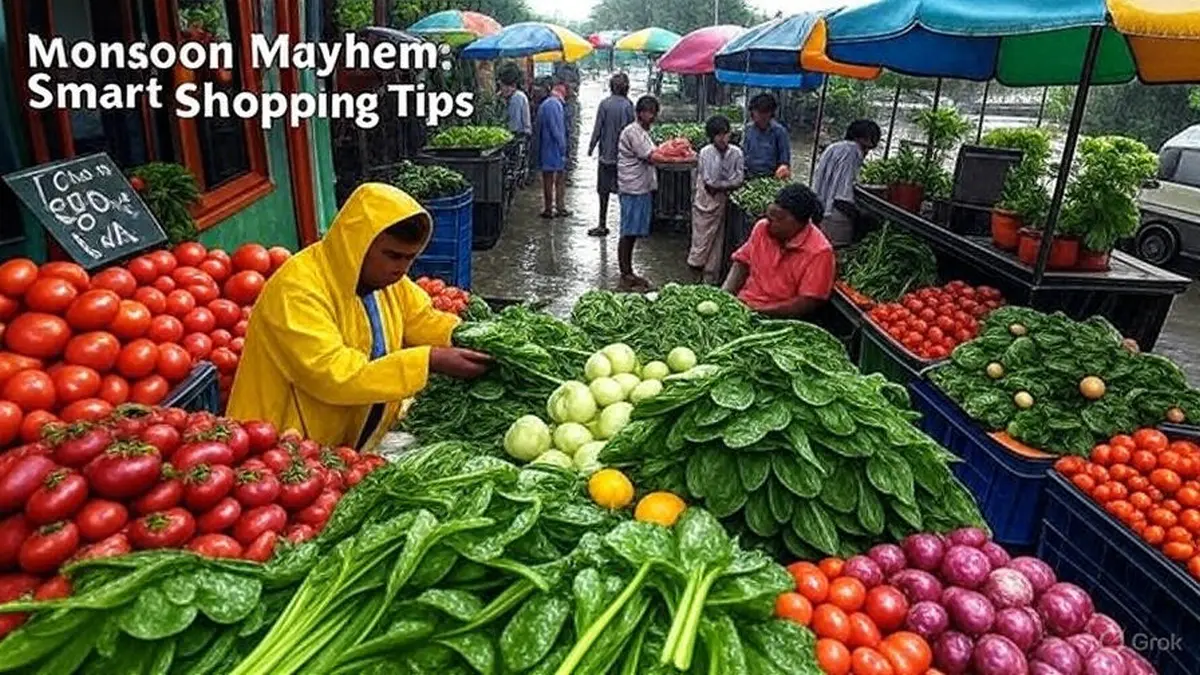
Mumbai’s monsoon arrived early on May 26, 2025, flooding streets and spiking vegetable prices. Tomatoes now cost ₹80-100 per kg, spinach has doubled, and onions are pricier. Why do vegetables turn costly during the rainy season? How can you save money on groceries? Are leafy greens safe to eat? Here’s how to navigate monsoon markets with smart tips and a vision for change.
Why Vegetable Prices Soar in Monsoon
Monsoons disrupt vegetable supplies, driving prices up. Key reasons include:
- Disrupted Supply: Heavy rains flood roads, delaying trucks. Fewer vegetables reach city markets, reducing supply and hiking costs.
- Crop Damage: Excess rain drowns tomatoes, brinjals, and onions. Waterlogged fields and fungi cut yields by 20–40%.
- Faster Spoilage: High humidity rots leafy greens and perishables. Vendors raise prices to offset losses.
- Higher Costs: Farmers, transporters, and retailers face rain-related expenses, passed on to buyers.
This year’s early, intense rains—one of Mumbai’s wettest Mays—have worsened the price surge, making veggies a luxury for many.
Should You Eat Leafy Greens in Monsoon?
Leafy greens like spinach and fenugreek are nutritious but risky now:
- Health Risks: Rain contaminates greens with mud or bacteria like E. coli. Humidity speeds up spoilage and fungal growth.
- Safe Practices: Wash greens under running water. Soak in vinegar or salt solution (1:10 ratio) for 15 minutes. Cook thoroughly, avoiding raw salads.
- Alternatives: Choose cabbage, cauliflower, or root veggies like carrots. Home-grown sprouts are a safe, nutrient-rich option.
Limit leafy greens unless you can ensure hygiene. Cooking is safer than raw consumption.
Tips to Save Money on Vegetables
Keep your grocery budget in check with these seven tips:
- Pick Seasonal Veggies: Buy bottle gourd, bitter gourd, or radish. They’re cheaper and abundant in monsoon.
- Plan Meals: Create a weekly menu. Avoid overbuying to cut waste.
- Store Smart: Use airtight containers for beans or peas. Keep onions dry to prevent sprouting.
- Try Frozen Veggies: Frozen peas or carrots are affordable, nutritious, and last longer.
- Buy in Bulk: Share bulk purchases with neighbours at wholesale markets to save money.
- Shop Early: Visit local markets at dawn for fresh stock and better deals.
- Grow Herbs: Plant coriander or mint at home. Balcony gardens cut costs.
Final Thoughts: A Call for Change
Monsoons bring rain but also hardship. Soaring vegetable prices reveal weak food systems—poor drainage, bad roads, and little farmer support. Smart shopping helps, but we need better infrastructure and subsidies to stabilise prices. Mumbai’s record rains are a wake-up call. Let’s push for a food system where veggies stay affordable, rain or shine. Share your monsoon shopping tips—what works for you?
