



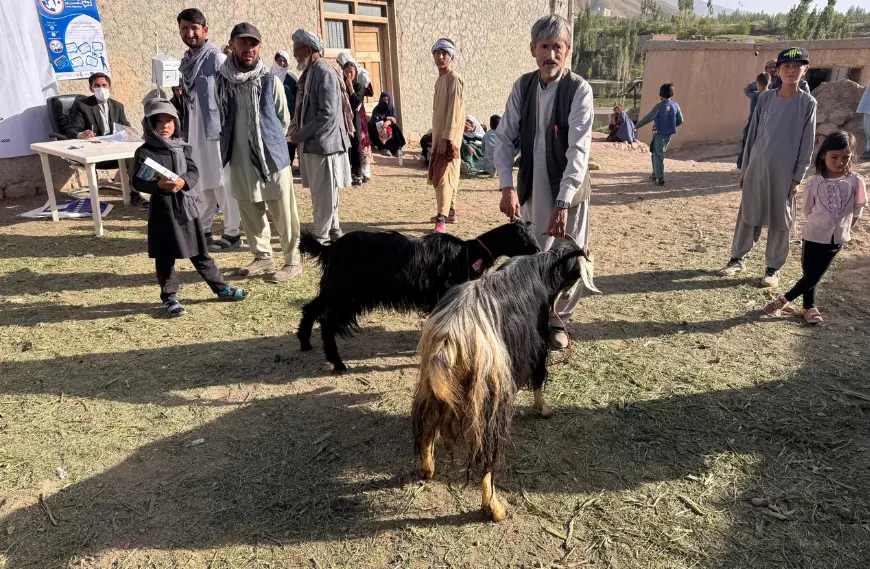
In early September 2025, eastern Afghanistan was struck by two powerful aftershocks, measuring 5.4 and 5.5 in magnitude, following a devastating 6.0-magnitude earthquake that had already claimed over 2,200 lives and injured thousands more. These additional tremors have further complicated rescue efforts and intensified the humanitarian crisis in the affected regions of Kunar and Nangarhar provinces.
The initial earthquake, which struck just before midnight on Sunday, August 31, 2025, led to the collapse of over 6,700 homes, many of which were mud-brick structures common in the region. The subsequent aftershocks have caused further destruction, with landslides obstructing roads and making access to remote villages increasingly difficult. In Kunar province, approximately 98% of buildings were destroyed or damaged, leaving tens of thousands of residents without shelter.
The ongoing seismic activity has left survivors in a state of constant fear, with many opting to stay outdoors due to the risk of further tremors. This has led to critical shortages of food, clean water, and medical supplies. The World Health Organization has called for $4 million in emergency funding to address the immediate needs of those affected, warning of the potential for disease outbreaks in overcrowded and unsanitary conditions.
Compounding the situation is the limited international aid reaching the affected areas. The United Nations has allocated $10 million for emergency relief, but resources are rapidly depleting, and an emergency appeal for additional funds is imminent. The international community’s response has been hindered by geopolitical considerations and a reduction in aid following the Taliban’s return to power in 2021.
Rescue operations are being conducted under challenging conditions, with many areas still inaccessible due to damaged infrastructure and ongoing aftershocks. Aid workers are facing significant challenges in reaching survivors, and the need for coordinated international support is more urgent than ever.
As Afghanistan grapples with this compounded disaster, the resilience of its people remains evident. However, without sustained international assistance and a concerted effort to address the underlying challenges, the path to recovery remains uncertain. The international community must act swiftly to provide the necessary support to alleviate the suffering of those affected by this devastating series of earthquakes and aftershocks.
