



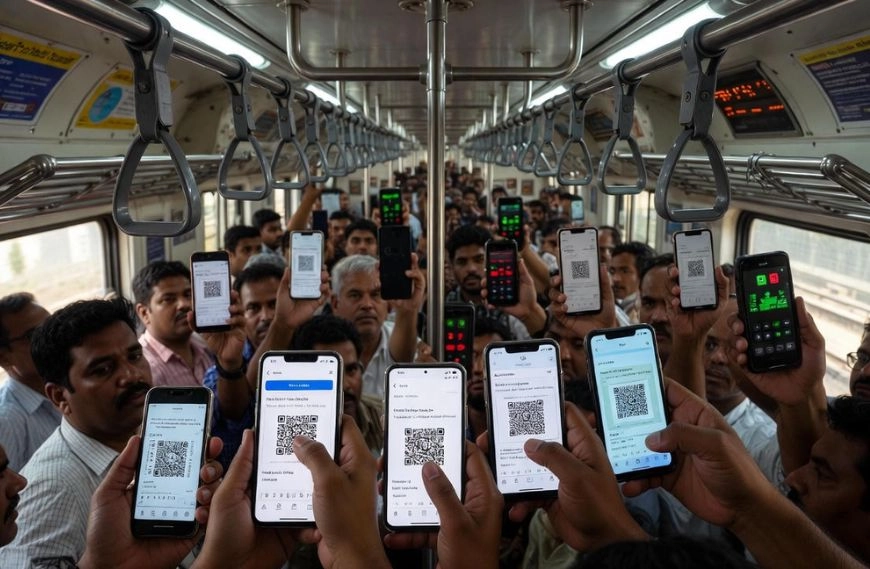
Mumbai’s suburban railway system, already the lifeline of the city, is facing a new challenge. A rising number of commuters are using fake mobile tickets to board AC local trains, exploiting loopholes in the digital ticketing system. The scam involves editing screenshots from the UTS (Unreserved Ticketing System) app or generating fake QR codes to gain entry without paying.
The practice has become particularly common on AC locals, where fares are higher than standard trains. Fraudsters take advantage of the digital format, knowing that ticket inspectors cannot always verify the authenticity of every mobile ticket on the spot. Edited screenshots may display valid ticket information but do not correspond to actual payments made to the railways.
Railway authorities have confirmed that these fraudulent practices are on the rise. Passengers caught using fake tickets can face fines or legal action, but the real concern is the loss of revenue for the railway system. With millions of commuters relying on the suburban network daily, even a small fraction evading fares can amount to significant losses over time.
Officials are now considering stricter verification measures. Ticket checking staff have been advised to scan QR codes using official devices rather than manually accepting screenshots. Some railway stations have also started using handheld verification tools and updating inspection protocols to reduce fraudulent entries.
Experts note that this scam reflects a broader challenge of digital ticketing in urban transport. While mobile apps provide convenience, they also open avenues for manipulation if proper security measures are not in place. There is a growing demand for technology solutions such as encrypted QR codes, AI‑based validation, and real-time ticket verification to prevent such exploitation.
Commuters, meanwhile, are reminded to use only official apps and authorized channels to purchase tickets. Honest passengers bear the brunt when others evade fares, as revenue losses can affect maintenance, service upgrades, and safety measures.
In conclusion, while Mumbai’s suburban railway system has embraced digital transformation, the rise of fake mobile tickets highlights the need for vigilance, technology upgrades, and public awareness. Ensuring that every commuter pays their fare is not just about revenue it is about maintaining the integrity and efficiency of one of the busiest railway networks in the world.
Subscribe Deshwale on YouTube
