



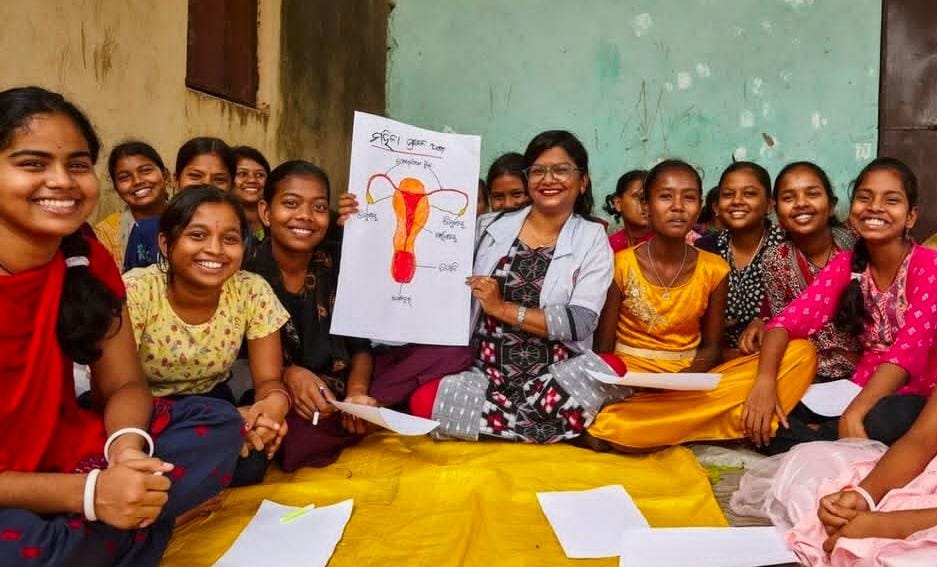
In a landmark move for public health, Kimberly-Clark India and UNICEF India have announced a strategic partnership aimed at revolutionising the health and well-being of women and adolescent girls. Launched to coincide with International Women’s Day, this major initiative focuses on dismantling barriers to menstrual hygiene and maternal healthcare in some of India’s most critical regions.
The collaboration targets nine key states: Uttar Pradesh, Bihar, Maharashtra, Madhya Pradesh, Jharkhand, West Bengal, Chhattisgarh, Odisha, and Gujarat. These areas have been prioritised due to the urgent need for enhanced awareness and improved access to professional healthcare services.
The scale of this mission is vast, with a dual focus on direct intervention and widespread education. The partnership aims to connect approximately 2.88 million adolescent girls, women, and newborns directly to essential health services and government benefits. By bridging the gap between rural communities and clinical care, the programme ensures that life-saving maternal support and neonatal care are within reach for those who need them most.
Beyond direct medical access, the initiative seeks to reach an additional 2.87 million people through comprehensive education and behaviour change programmes. These efforts are designed to break long-standing social taboos surrounding menstruation and women’s health, fostering a culture of dignity and informed self-care.
Rahul Asthana, Managing Director of Kimberly-Clark India, emphasised that health and dignity are fundamental rights rather than privileges. By combining UNICEF’s deep-rooted grassroots expertise with Kimberly-Clark’s corporate vision of “better care,” the partnership is poised to create a lasting, meaningful impact on millions of Indian families.
Cynthia McCaffrey, UNICEF India Representative, highlighted the interconnected nature of adolescent health, maternal well-being, and early childhood development. She noted that this programme is a vital step toward India’s broader developmental goals. By making national and state healthcare systems more adolescent-friendly, the initiative ensures that the next generation grows up in a more prosperous and health-conscious environment.
As this health revolution takes hold across the nine identified states, it stands as a testament to the power of public-private partnerships in driving social change. For millions of women and girls in India, this mission represents a shift toward a future defined by better health, increased awareness, and restored dignity.
