 Deshwale
Adani Wants to Back an Airline, Not Build One
In brief · AI summary Adani Group says it wants to invest in an existing airline or back a startup, not launch its own carrier. A 10 per cent cap stands in the way.
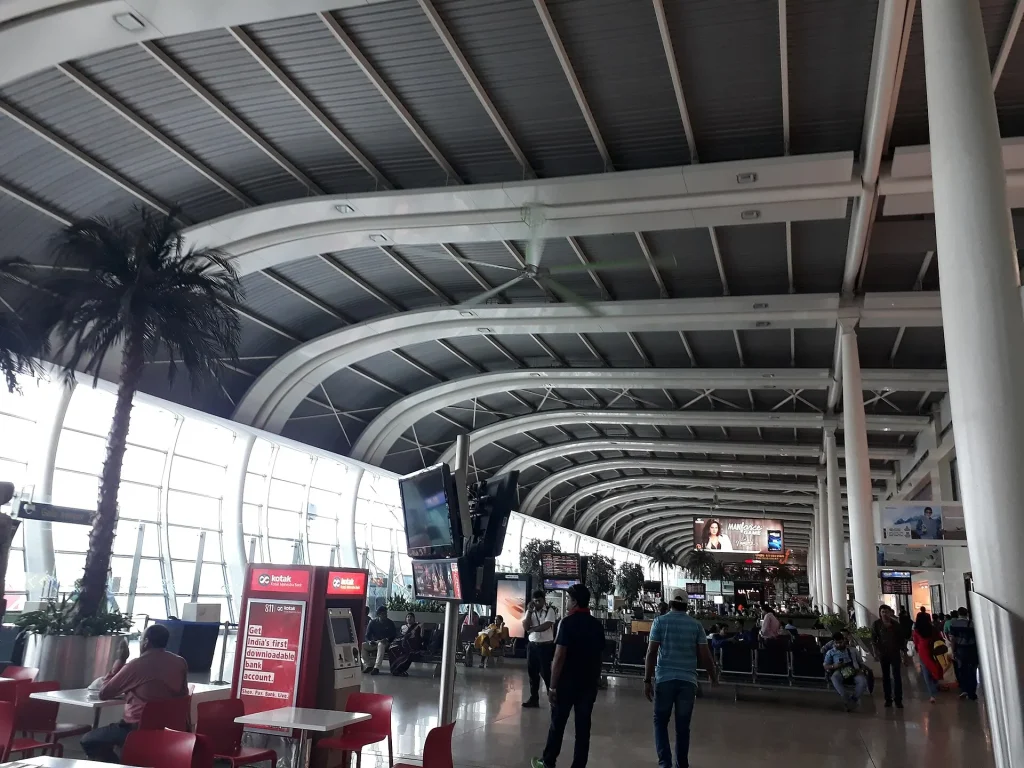
Adani Group runs eight airports. Now it says it would like a piece of the planes that land at them, though not a carrier of its own.
Speaking on the sidelines of a summit in New Delhi, group CFO Jugeshinder (Robbie) Singh said the group wants to invest in an existing airline or back entrepreneurs planning a startup carrier. Launching an airline itself is not on the table.
His argument starts with a number. India flies roughly 3,200 to 3,300 flights a day, and Singh believes the country has about 60 crore more people who could be flying. “India should have 30,000 flights a day,” he said.
There is a catch, and it is a regulatory one. Government agreements with the operators of the Delhi and Mumbai airports restrict an airport company from holding more than 10 per cent of an airline. Adani asked for an exemption on 4 June 2026, and when speculation followed, the group said in a July stock exchange filing that Adani Enterprises was not planning to launch an airline. As recently as 24 September, Adani Airports CEO Arun Bansal said the company is in the airport business and does not want to compete with the airlines that are its customers.
That last point explains the careful wording. An airport’s customers are airlines, so a stake in one raises an obvious question: would rivals get the same treatment at the gate and on the tarmac? Whether the government grants an exemption, and on what conditions, is the part to watch.
For travellers, the pitch is simple. More money flowing into airlines could mean more routes to smaller cities, which is where Singh says the untapped flyers are. Aasman, as the Hindi word has it, is a large place. The question is who gets to build in it.
Photo: Pinakpani, CC BY 4.0, via Wikimedia Commons.