









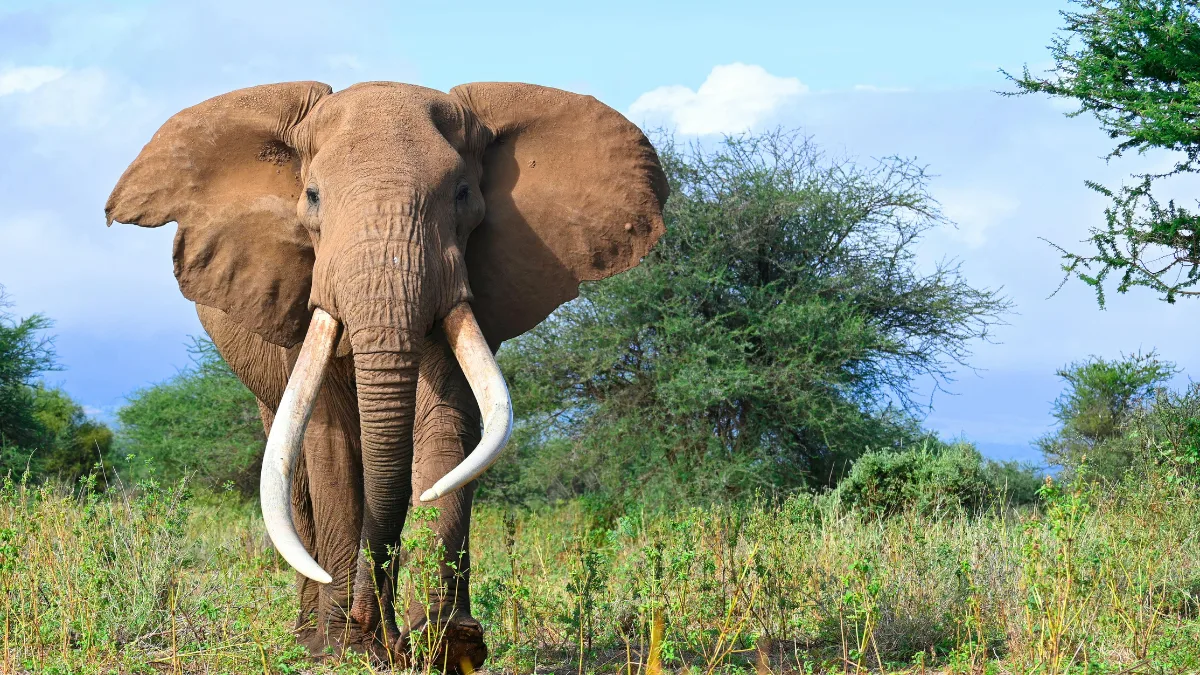
Graceful in their stride and vital in their role, African elephants (Loxodonta africana) are more than just the giants of the wild. Their presence helps keep the African savannah alive, shaping the land, protecting plant diversity, and creating conditions for other species to thrive. These magnificent animals are not just part of the ecosystem; they help build it.
Ecosystem Engineers
Elephants are powerful ecosystem shapers. Their daily movements and actions impact vast areas:
- They knock over trees, preserving open grasslands for grazers like zebras and wildebeest.
- When they dig for water, they uncover hidden sources that other animals rely on during dry spells.
- Their dung spreads seeds across large distances, fertilising the soil and enabling new plant growth.
Without elephants, much of the savannah would slowly change into dense woodland, harming species that depend on open land.
Seed Dispersal Experts
As they feed on a wide variety of vegetation, elephants also act as vital seed dispersers. Many seeds pass through their digestive systems, where they are softened or scarred, a process that often helps them sprout more successfully.
Trees like the baobab rely heavily on elephants for seed dispersal. This role supports both forest regeneration and a rich mix of plant species.
Social Intelligence and Family Bonds
Elephants live in close-knit, matriarch-led herds. The matriarch’s memory guides the group to water, food, and safe migration routes. This leadership is especially important in times of drought.
Their intelligence is well recognised. Elephants mourn their dead, understand themselves in mirrors, and communicate using infrasound that can travel for kilometres. Their minds are as complex as their societies.
Cultural Significance
For many African communities, elephants represent wisdom, strength, and tradition. They appear in ancient cave paintings, oral stories, and religious beliefs. In some cultures, they are even considered sacred.
Their image is not just symbolic. It connects people to nature, reminding them of the wild heritage passed through generations.
Challenges to Survival
Despite their importance, elephants face serious threats:
- Poaching for ivory continues to reduce their numbers. Just a century ago, millions roamed Africa. Today, fewer than 400,000 remain.
- Habitat loss from expanding farms and cities forces elephants into closer contact with humans, often leading to conflict.
- Climate change adds pressure by drying out water sources and disrupting food availability.
These combined challenges are pushing elephants into smaller, more fragmented habitats.
Conservation Efforts
Several efforts have brought hope. Protected areas, stronger anti-poaching laws, and local wildlife programmes have helped stabilise populations in parts of Africa.
The African Elephant Conservation Fund and community-based approaches show that when people are involved in protecting elephants, results can be positive. Still, regions affected by conflict or weak law enforcement continue to struggle.
Why Elephants Matter for Everyone
Elephants help maintain a healthy balance in nature. Their influence supports entire ecosystems, benefits local communities through tourism, and protects the beauty and function of the African landscape. As conservationist Cynthia Moss said, “The fate of elephants is the fate of all of us. They are the heart of the African wilderness.”


