



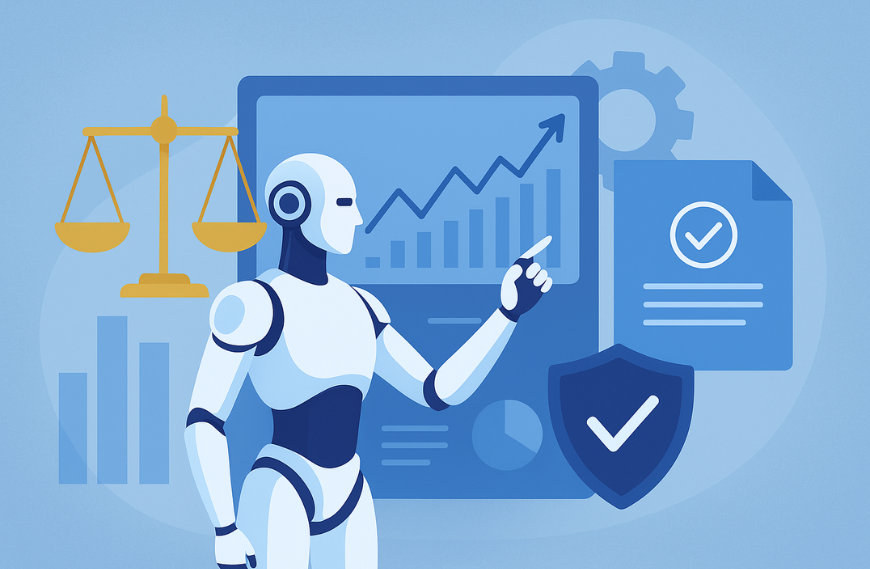
Artificial intelligence is no longer just a tool for convenience or automation it is increasingly becoming a game-changer in the world of finance. The recent milestone where AI successfully passed the CFA Level III exam in just minutes demonstrates that these systems can now process, analyze, and interpret complex financial information faster than humans. While this achievement showcases the extraordinary potential of AI, it also raises important questions for regulatory authorities around the globe.
Financial regulations have always relied on human expertise to ensure transparency, fairness, and accountability. But as AI becomes capable of understanding and applying sophisticated financial concepts, regulators must consider how these systems fit into compliance and reporting frameworks. Can AI be trusted to flag irregularities accurately? Could it assist in audits or monitoring complex transactions? These are not hypothetical concerns they are imminent challenges for regulators, legal professionals, and compliance officers who will have to rethink traditional oversight processes.
The integration of AI into financial regulations offers both opportunities and risks. On one hand, AI can process massive volumes of data in seconds, identifying patterns and potential fraud that might take human teams weeks to uncover. On the other hand, AI decisions are only as reliable as the data and algorithms behind them. Ensuring accountability, preventing bias, and maintaining transparency will be critical as regulators begin to allow AI-assisted compliance and reporting.
Moreover, as financial markets evolve at an ever-increasing pace, AI could help regulators keep up with real-time developments. From monitoring stock trades to analyzing corporate disclosures, AI systems can provide regulators with insights that were previously impossible to obtain. However, this shift also requires new legal and ethical frameworks to define the responsibilities of AI in financial oversight.
Ultimately, the success of AI in passing complex finance exams is a wake-up call for the regulatory world. Authorities need to prepare for a future in which AI is not just a support tool but an active participant in ensuring market integrity. By carefully designing policies that integrate AI responsibly, regulators can harness its strengths while mitigating risks, ultimately creating a more efficient, transparent, and reliable financial ecosystem.
As AI continues to evolve, the way financial regulations are implemented and enforced will inevitably change, making it essential for regulators to stay ahead of the curve and embrace technology as an ally rather than a challenge.
