









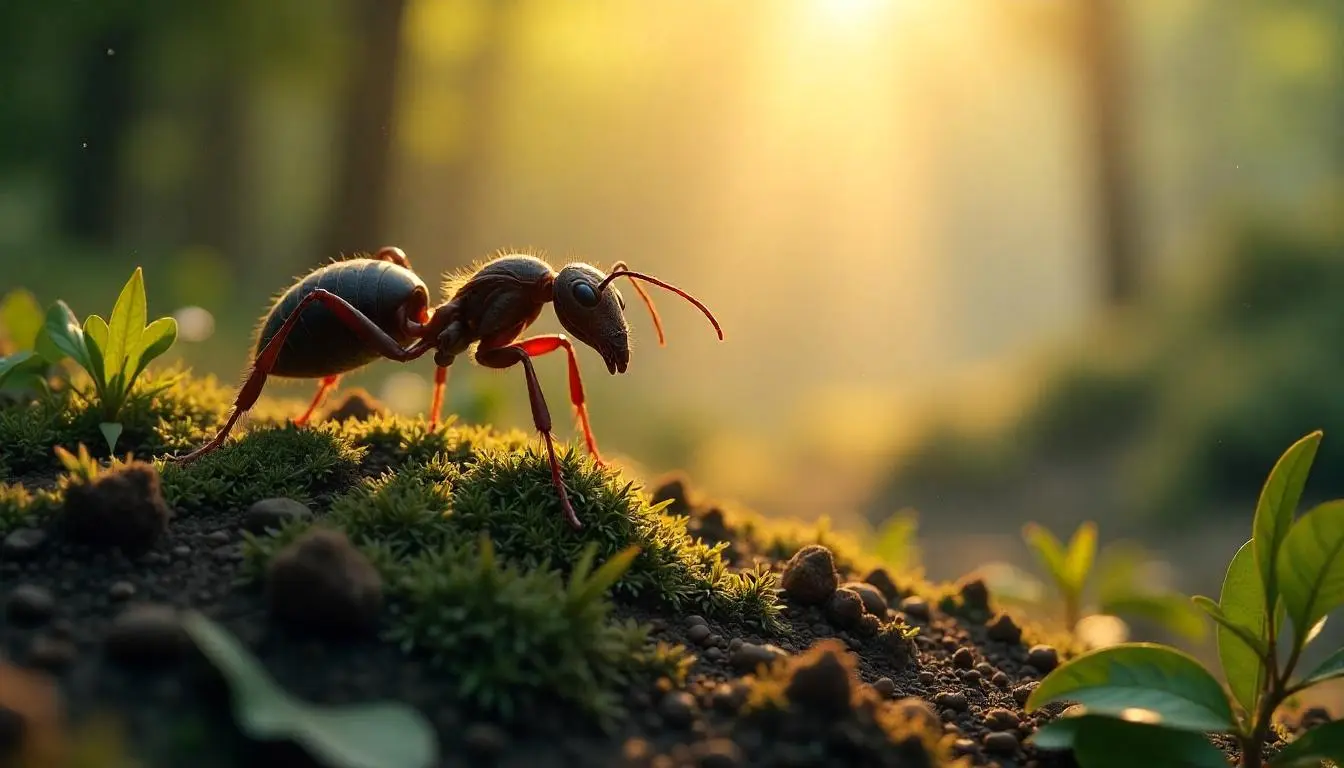
Could Ants Teach Us Economics? Lessons from Insect Societies
Ants march in perfect rows, building empires in soil. Their colonies hum with eerie efficiency. Ants spark fascination. Could they teach us economic wisdom? This journey explores insect societies through science. It blends entomology, economics, and philosophy vividly. From Amazon jungles to backyard nests, ants work. Imagine their lessons reshaping human markets. Let’s delve into the economics of tiny architects.
What Ants Reveal About Markets: Lessons in Efficiency and Sustainability
Ant colonies function like bustling economies. Each ant has a role: forager, nurse, soldier. A 2023 PNAS study compared them to markets. Ants trade food, labour without currency. Leafcutters farm fungi, optimising yields. In African savannas, weaver ants build homes. Their efficiency rivals human supply chains. By 2050, economists could mimic ant systems. This parallel thrills, showing nature’s economic genius.
Resource allocation drives any success. A 2024 Nature Ecology study mapped their decisions. Foragers share food via chemical signals. They prioritise colony needs over individual gain. This selflessness outperforms human greed, per 2023 models. Global markets crash from selfish trades. Ants teach balance, sustainability in scarcity. Their logic captivates, offering lessons for all. It redefines wealth in a finite world.
Tiny Teachers in Tech and Crisis: Ants Inspiring AI and Resilience
Technology studies want to improve systems. AI, used in 2025 logistics, mimics ant paths. A 2024 Science Robotics study showed swarm algorithms. Drones in Singapore deliver like ant foragers. By 2070, ant-inspired AI could run economies. Imagine stock markets flowing like ant trails. This tech blends nature with human ingenuity. It excites, promising smarter global systems.
Ants face threats, mirroring human challenges. Pesticides disrupt colonies, per 2025 Environmental Science. Climate shifts alter food sources rapidly. Yet, ants adapt, rebuilding with precision. Human economies falter in crises, like 2025 recessions. Ants’ resilience inspires sustainable models. By 2100, markets could mimic their adaptability. This parallel urges global rethink of economics. It shows nature’s wisdom in chaos.
Humble Philosophers of Nature: Cultural, Emotional, and Spiritual Insights from Ants
Culturally, ants symbolise unity worldwide. Aesop’s fables praise their teamwork. Asian proverbs honour their diligence. A 2023 Cultural Studies study noted ant myths. They inspire art, from murals to films. By 2070, ant-inspired designs could shape cities. Imagine buildings mimicking nest ventilation. This cultural thread unites global imaginations. Ants become humanity’s tiny muses.
Emotionally, ants stir awe and humility. A 2022 Psychology Today study tied nature to wonder. Watching ants work feels meditative, universal. Their tiny lives mirror human struggles. From farmers to CEOs, we relate. Ants teach cooperation over competition daily. This emotional bond resonates with global hearts. It makes ants our unexpected teachers.
The future envisions ant-inspired economies. By 2100, bio-mimetic markets could thrive. A 2025 Nature Sustainability study foresaw this. Ant algorithms could balance global trade. Or optimise food distribution in crises. This vision blends science with human hope. It invites global citizens to learn from nature. Ants could guide a fairer world.
Philosophically, ants challenge human pride. Are we wiser than these tiny collectives? A 2023 Philosophy Today study probed this. Ants succeed without ego, unlike humans. Their societies thrive on shared purpose. This wisdom echoes global spiritualities. It urges humanity to rethink success. Ants teach a universal lesson in humility.
Ants weave economic lessons into Earth’s soil. Their colonies mirror markets, teaching balance. Science and culture unveil their tiny wisdom. From jungles to labs, ants inspire. By 2100, their lessons could reshape economies. Pause and watch an ant trail closely. Its march whispers humanity’s shared future.


