









A fever, cough and body ache during the monsoon can easily be mistaken for a routine seasonal illness. But this year, doctors in Delhi-NCR are seeing more cases of H1N1 influenza, commonly known as swine flu.
Delhi has reported 1,449 H1N1 cases up to August 12, 2026, compared with 229 during the same period last year, according to National Centre for Disease Control data. That means the number of reported cases is more than six times higher than last year.
So, why is the flu showing up more often this monsoon?
When the weather plays a part
Delhi’s changing and humid monsoon weather is one factor doctors are pointing to. Respiratory infections can spread more easily when people spend time in crowded or poorly ventilated spaces.
H1N1 is a type of influenza A virus that mainly affects the respiratory system. It spreads from person to person, particularly through respiratory droplets when an infected person coughs or sneezes.
The problem is that H1N1 does not always announce itself clearly.
Its early symptoms can look like an ordinary viral infection: fever, cough, sore throat, headache, body ache, chills and tiredness.
So, having a fever does not automatically mean you have H1N1. Other infections, including dengue and malaria, can also cause fever during the monsoon.
When should you take it seriously?
For many people, influenza is manageable with appropriate care. But in some cases, it can lead to complications, including pneumonia and breathing problems.
Watch out for symptoms such as difficulty breathing, chest pain, rapidly worsening illness, confusion, very fast breathing or a drop in oxygen levels. These signs need prompt medical attention.
Young children, older adults and people with existing health conditions may be more vulnerable to serious complications and should take extra care.
Simple steps can make a difference
Protecting yourself does not require complicated measures.
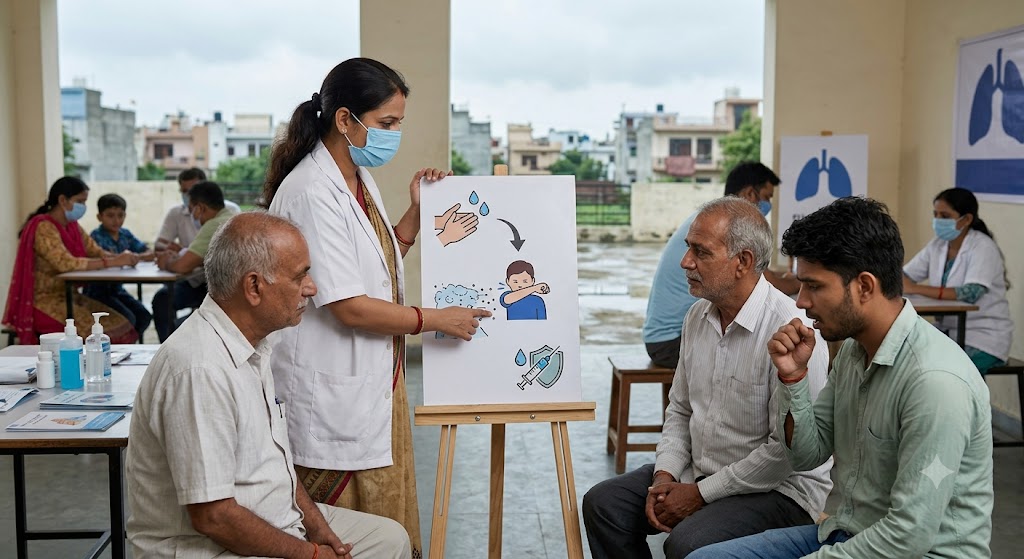
Wash your hands regularly, particularly after returning from crowded places. Cover your mouth and nose when coughing or sneezing. If you are unwell, avoid close contact with others and consider wearing a mask in crowded places.
Flu vaccination can also help protect against influenza. People who are at higher risk should speak to a healthcare professional about whether vaccination is appropriate for them.
And perhaps the most important rule is simple: do not panic and do not self-medicate.
Delhi’s rising H1N1 numbers are a reason to be alert, not alarmed. Pay attention to your symptoms, protect people around you and seek medical help when an illness becomes severe or starts getting worse.
This article is for general awareness. For personal medical advice, consult a qualified healthcare professional.
Subscribe Deshwale on YouTube


