









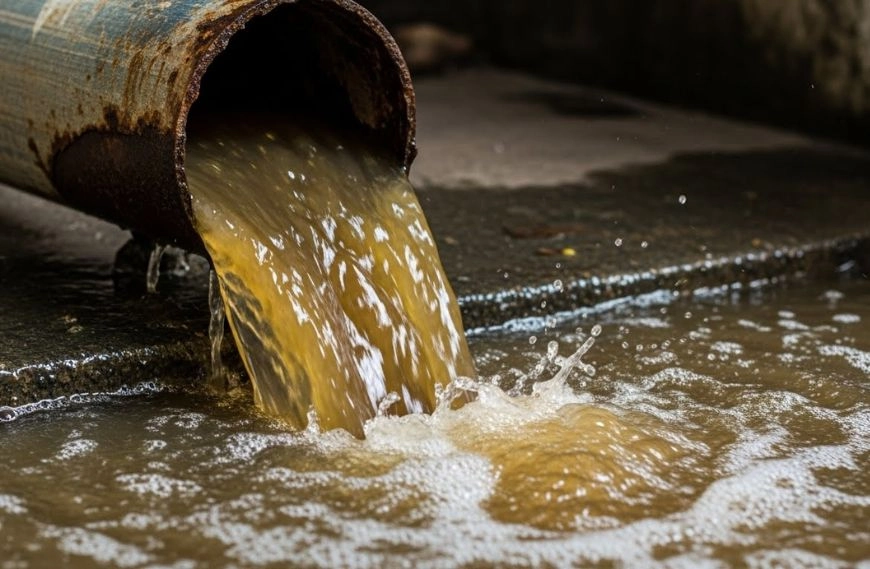
In Indore’s Bhagirathpura area, a major drinking water contamination crisis has highlighted serious shortcomings in municipal infrastructure. Over the past week, dozens of residents fell ill and several have died after allegedly consuming contaminated municipal water, prompting urgent questions about how poor maintenance and pipeline defects allowed hazardous contamination to enter the city’s drinking supply.
Initial investigations by municipal authorities revealed that the main water supply pipeline carrying Narmada river water which serves as the primary source of drinking water for Indore developed a leakage at a critical point. The affected section of pipeline was located beneath a structure where a toilet had been constructed, according to city officials. This defect, coupled with improper oversight, likely allowed sewage or drainage water to seep into the drinking water line, contaminating the supply distributed to homes.
Health authorities say the outbreak first became apparent when residents began reporting symptoms like diarrhoea, vomiting, and dehydration after drinking tap water. Many people were admitted to hospitals with these symptoms, with local medical teams treating more than a thousand residents for mild to severe illness. While government officials have confirmed the deaths of at least three people, local residents claim that the toll may be higher.
The situation has drawn sharp criticism from community leaders and political figures, who argue that persistent complaints about foul‑smelling and discoloured water were ignored before the contamination episode escalated into a public health crisis. Some residents reported raising alarms about unusual water quality days before the outbreak, but municipal action was delayed.
Authorities have responded by shutting down the compromised section of pipeline and deploying tanker water to affected households while repairs are carried out. Over 70 water samples have been collected and sent to laboratories for detailed testing to confirm the exact cause and nature of contamination.
The state government has also ordered disciplinary action against responsible engineers and officials, and set up a high‑level committee to conduct a comprehensive investigation. However, many local observers say that the crisis reflects deeper structural failures in urban water supply infrastructure and lax enforcement of safety standards. They argue that beyond repairing a single leak, authorities must urgently overhaul pipeline systems and strengthen monitoring to prevent such tragedies in the future.
Subscribe Deshwale on YouTube


