









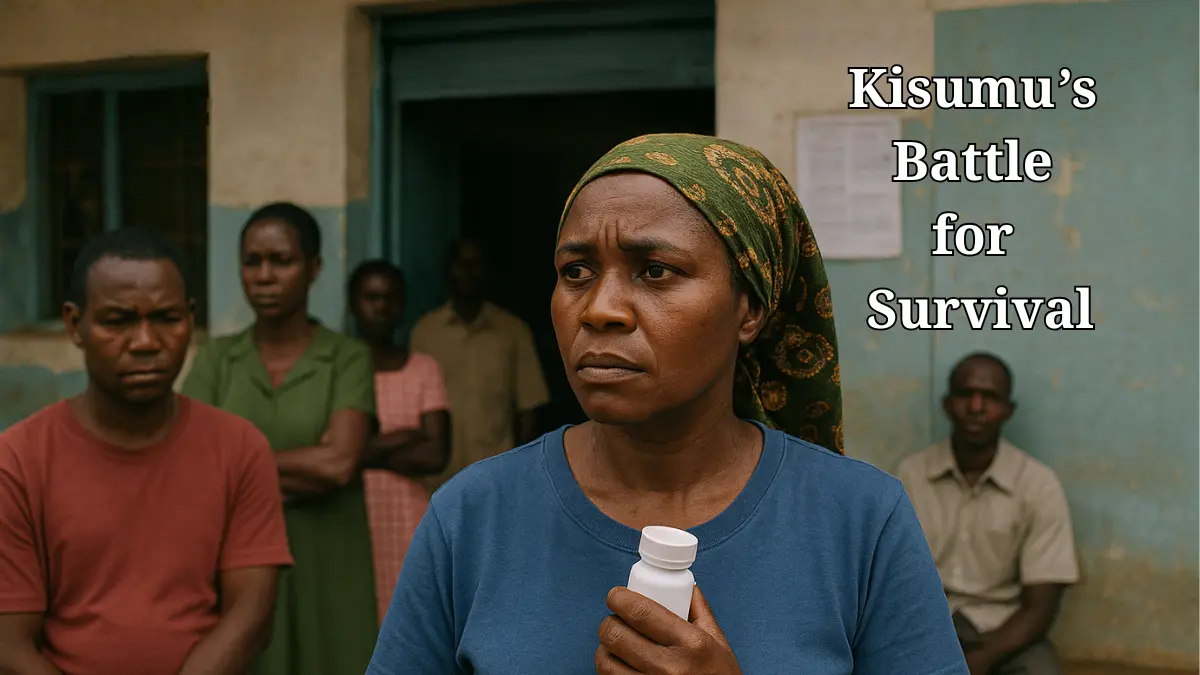
Kisumu, Kenya. A city by Lake Victoria, vibrant with life. Markets buzz. Boats bob on the water. But beneath the surface, a crisis brews. Pharmacies stand empty. Antiretroviral drugs, lifelines for those with HIV, are scarce. Funding cuts from USAID have hit hard. In a region where 17.6% of adults live with HIV, nearly five times Kenya’s average – the stakes are life and death. This is Kisumu’s fight, a story of resilience amid neglect.
A City Under Strain
Kisumu is Kenya’s third-largest city, a hub of trade and culture. Yet, its healthcare system teeters. HIV prevalence here dwarfs the national rate of 3.7%. Clinics once stocked with free antiretrovirals now ration supplies. Patients like Mary Atieno, a 42-year-old mother, queue for hours, only to leave empty-handed. “I can’t miss a dose,” she says, clutching her last pills. “What happens when they’re gone?”
The crisis stems from a sudden drop in USAID funding, which supported HIV/AIDS programmes for decades. Budget reallocations in Washington have left local clinics scrambling. Joseph Njer Airo, a pharmacist in Kisumu’s main hospital, sighs. “We’re rationing drugs like they’re gold. People are desperate.” The ripple effects are brutal. Missed doses weaken immunity and risk resistance to treatment.
A Global Failure
Why the cuts? USAID points to shifting priorities, with less focus on HIV and more on other global health challenges. But for Kisumu, this feels like abandonment. Kenya’s government has stepped in, pledging funds, but bureaucracy slows delivery. Rural clinics, already understaffed, bear the brunt. Nurses work overtime. Doctors juggle impossible caseloads. Patients walk miles for care that may not come.
Globally, HIV/AIDS funding has stagnated. The UN’s 2025 target to end AIDS as a public health threat looms, unmet. Sub-Saharan Africa, home to 67% of the world’s HIV cases, relies heavily on foreign aid. When donors pull back, communities like Kisumu suffer most. It is a stark reminder that global health is only as strong as its weakest link.
Voices of Resilience
Yet, Kisumu fights back. Community health workers like Peter Ochieng go door to door, educating families. “We teach them to manage what they have,” he says. “Eat well, stay strong.” Local NGOs stretch thin budgets to buy drugs. Support groups, often led by HIV-positive women, share pills when stocks run low, a risky but desperate act of solidarity.
Mary, the mother we met, is part of such a group. They meet weekly, sharing stories and strength. “We’re family now,” she says. Her group lobbies local leaders, demanding action. Their voices, small but fierce, echo in Kisumu’s streets. Grassroots initiatives, from radio campaigns to youth-led drives, spread awareness. In a city under siege, hope is a quiet rebellion.
The Bigger Picture
Kisumu’s crisis is not just about HIV. It is about systemic inequities. Rural areas lack infrastructure. Poverty forces tough choices like food or medicine? Kenya’s push to privatise state assets, as announced by President Ruto, aims to boost investment but risks sidelining healthcare. Domestic funding must grow, but corruption and mismanagement loom large. Globally, the retreat of donors like USAID raises questions about dependency. Can low-income nations build self-sufficient health systems?
The human toll is staggering. Untreated HIV leads to AIDS, slashing life expectancy. Children lose parents. Communities fray. Yet, Kisumu’s story is not just tragedy. It is a call to action. Local leaders demand more funding. Activists push for generic drugs. International advocates urge donors to recommit. The fight is far from over.
A Path Forward
What is next for Kisumu? Short-term, emergency aid is critical. Kenya’s government must fast-track drug supplies. Long-term, investment in local manufacturing could reduce reliance on imports. Training more healthcare workers would ease the burden. And globally, donors must rethink cuts that cost lives.
Mary dreams of a day when her children will not fear HIV. Peter envisions clinics fully stocked. Joseph, the pharmacist, wants to serve without rationing. Their hope fuels Kisumu’s fight. This city, battered but unbroken, teaches us resilience. In the shadow of crisis, Kisumu stands tall, demanding to be heard.


