




Pope Francis, born Jorge Mario Bergoglio on December 17, 1936, in Buenos Aires, Argentina, is the 266th and current Pope of the Roman Catholic Church. Known for his humility, compassion, and progressive stance on social issues, Pope Francis has captivated the hearts of millions around the world. His life journey is one of deep faith, significant challenges, and profound transformations.
Early life and education
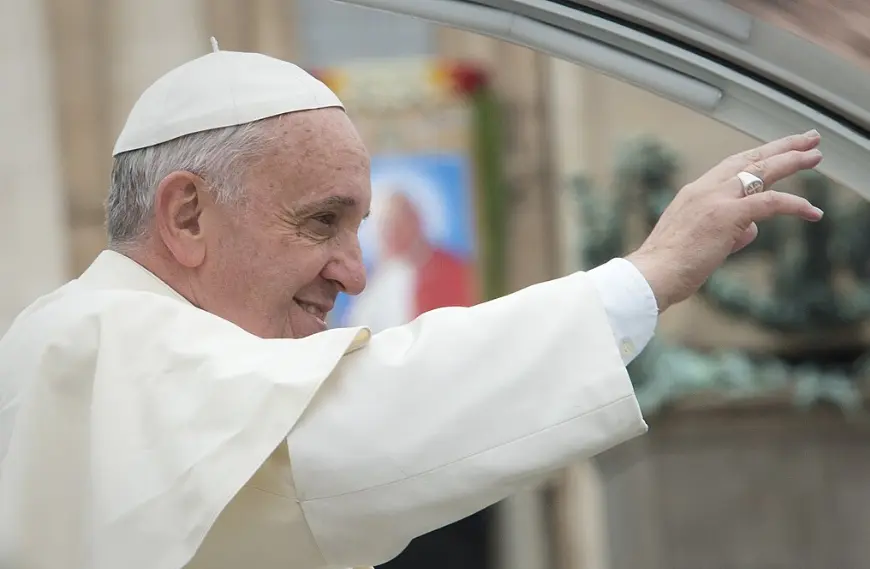
Jorge Mario Bergoglio grew up in a modest family in Buenos Aires. His parents, Mario José Bergoglio and Regina María Sivori, were Italian immigrants. He attended the Colegio Militar de la Nación before pursuing a career in the Jesuit order. Initially, Bergoglio studied chemistry at a technical school, but his spiritual calling led him to enter the Society of Jesus (Jesuits) in 1958.
Bergoglio’s deep devotion to the Catholic faith led him to complete his theological studies at the Jesuit seminary, where he was ordained as a priest in 1969. He later became a professor of literature and psychology before eventually rising through the ranks within the Catholic Church.
His rise in the church
Bergoglio’s rapid rise in the Church came with his appointment as Auxiliary Bishop of Buenos Aires in 1992. He became the Archbishop of Buenos Aires in 1998, where he was widely known for his dedication to social justice, his preference for simple living, and his focus on pastoral care for the poor.
He was made a Cardinal by Pope John Paul II in 2001, and during this time, Bergoglio’s reputation as a deeply spiritual, humble, and approachable leader grew significantly. His commitment to living humbly was shown through his refusal to live in the grandiose residence for archbishops, choosing instead a simple apartment.
Becoming pope
In 2013, after the resignation of Pope Benedict XVI, Jorge Mario Bergoglio was elected as the 266th Pope of the Catholic Church. Taking the name Pope Francis, he became the first Jesuit pope and the first from the Americas. His election was seen as a signal of the Church’s desire for reform and renewal, especially in its approach to social issues and its outreach to marginalized communities.
Pope Francis is known for his accessible, non-traditional approach to leadership. His papacy has focused on themes such as compassion for the poor, refugees, climate change, and interfaith dialogue. His call for the Church to be more inclusive and open has resonated with both Catholics and non-Catholics alike.
Papacy highlights
One of Pope Francis’ defining moments was his encyclical Laudato si’ (2015), which addressed the urgent need for environmental stewardship and global cooperation in combating climate change. His stance on environmental justice has positioned him as a leader in promoting sustainability and social responsibility.
Pope Francis has also taken a progressive stance on social issues such as poverty, immigration, and LGBTQ+ rights. His outreach to marginalized communities has been notable, and he has called for greater inclusivity within the Church, especially for women.
Pope Francis continues to lead with humility, compassion, and a deep commitment to social justice. His papacy is marked by a desire for reform, a focus on the common good, and an emphasis on love and mercy for all people, regardless of their background or status. His leadership is a reflection of his unwavering faith and his belief in the transformative power of the Gospel.
