



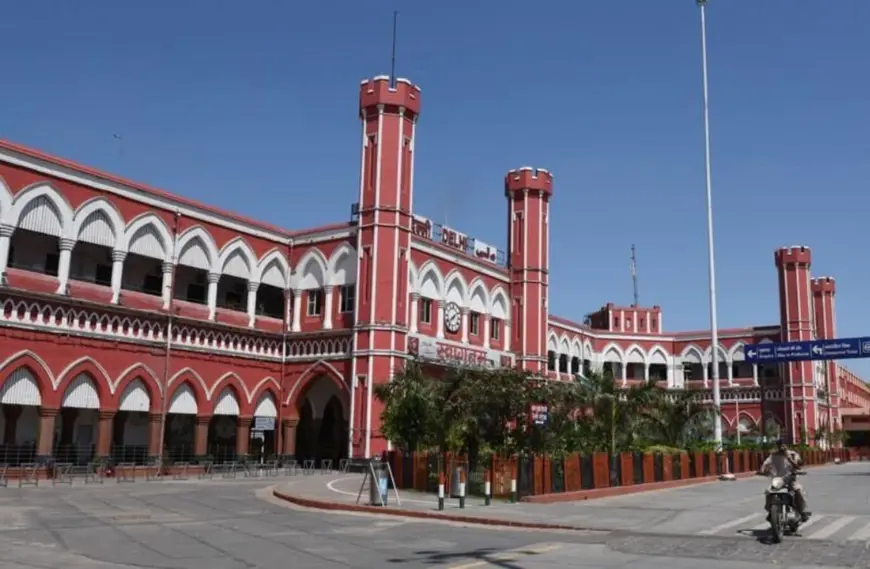
In a move that has sparked widespread discussion, Delhi’s Chief Minister Rekha Gupta has proposed renaming the historic Old Delhi Railway Station to ‘Maharaja Agrasen Railway Station’. This initiative, detailed in a letter to Union Railway Minister Ashwini Vaishnaw on 19 June 2025, aims to honour a figure whose legacy of social justice, economic equity, and community welfare continues to resonate in modern India. But who was Maharaja Agrasen, and why does his name carry such weight? This feature delves into the life, values, and enduring impact of this legendary king, whose influence is now poised to grace one of Delhi’s most iconic landmarks.
A Visionary Leader of Ancient India
Maharaja Agrasen, a revered figure in Indian history, is believed to have been a king of the Agrawal community, hailing from the Suryavanshi lineage. Born in the ancient city of Agroha (modern-day Haryana), his reign, though shrouded in the mists of time, is celebrated for its progressive ideals. Historians and community traditions place him in the pre-Mahabharata era, though exact dates remain elusive. What is undeniable is his reputation as a ruler who championed equality, compassion, and economic innovation.
Agrasen’s most notable contribution was his establishment of a socio-economic system that prioritised fairness. According to legend, he introduced a unique practice where every successful member of his kingdom contributed a single brick and a single coin to help a newcomer establish their livelihood. This system fostered a sense of collective responsibility, ensuring no one was left behind. Such principles of equity and community welfare resonate deeply in Delhi, where his descendants, the Agrawal community, have significantly shaped the city’s commercial and cultural fabric.
The Legacy of Social Justice
Maharaja Agrasen’s philosophy was rooted in non-violence (ahimsa) and social harmony. His governance model was inclusive, promoting unity among diverse groups. He is credited with laying the foundation for the Agrawal community’s mercantile success, encouraging trade while ensuring ethical practices. His emphasis on fairness and justice earned him reverence as a symbol of compassion, a legacy that continues to inspire millions.
In her letter to the Railway Minister, CM Rekha Gupta highlighted Agrasen’s “profound impact on the socio-economic development of India, particularly in Delhi”. She argued that renaming Old Delhi Railway Station would be a “fitting tribute” to a figure whose values align with India’s aspirations for inclusivity and progress. The proposal has garnered support from many, particularly within the Agrawal community, who see it as a recognition of their cultural heritage.
Why Rename Old Delhi Railway Station?
Old Delhi Railway Station, established in 1864 during British rule, is one of the capital’s oldest and busiest transport hubs. The proposal to rename it, as reported by India TV News on 1 July 2025, is not merely symbolic but a nod to restoring cultural pride. Gupta’s letter underscores that naming the station after Maharaja Agrasen would resonate with millions who view him as a beacon of social justice and economic foresight. The move aligns with a broader trend of honouring historical figures who embody India’s ethos, though it has sparked debate, with critics like the Delhi Congress questioning the focus on renaming amid service-related challenges at the station.
The station, located in the bustling Chandni Chowk area, serves as a vital link for commuters across northern India. Renaming it could elevate its cultural significance, transforming it into a landmark that celebrates India’s ancient values alongside its modern ambitions. Supporters argue that it would also highlight Delhi’s historical roots, predating colonial influences, as Gupta noted: “Delhi’s roots were nourished not by colonial outposts, but by kings like Maharaja Agrasen who believed in the welfare of all.”
Cultural and Economic Impact
Maharaja Agrasen’s influence extends beyond history into contemporary India. The Agrawal community, often associated with his legacy, is a driving force in Delhi’s economy, particularly in trade and commerce. Institutions like Maharaja Agrasen University and various charitable trusts bear his name, reflecting his enduring impact on education and philanthropy. His principles of collective support and ethical business practices remain relevant, offering lessons in sustainable community-building.
The proposed renaming has also ignited discussions about identity and heritage. Posts on X reflect public enthusiasm, with users like @MeghUpdates and @Aismindiia noting the BJP government’s push to honour Agrasen’s legacy, though the proposal awaits central approval. Critics, however, argue that infrastructure improvements should take precedence over symbolic gestures, highlighting the station’s need for modernisation.
A Symbol for Modern India
As India navigates its path as a global economic power, Maharaja Agrasen’s story offers a reminder of the values that can guide progress: equity, compassion, and community. His vision of a society where prosperity is shared aligns with modern aspirations for inclusive growth. The renaming proposal, if approved, would not only honour a historical figure but also inspire future generations to embrace his ideals.
As Delhi prepares to potentially immortalise Maharaja Agrasen at one of its busiest gateways, the move underscores the power of history to shape the present. Whether the station is renamed or not, Agrasen’s legacy as a pioneer of social justice and economic equity continues to shine, proving that true leadership transcends time.
