



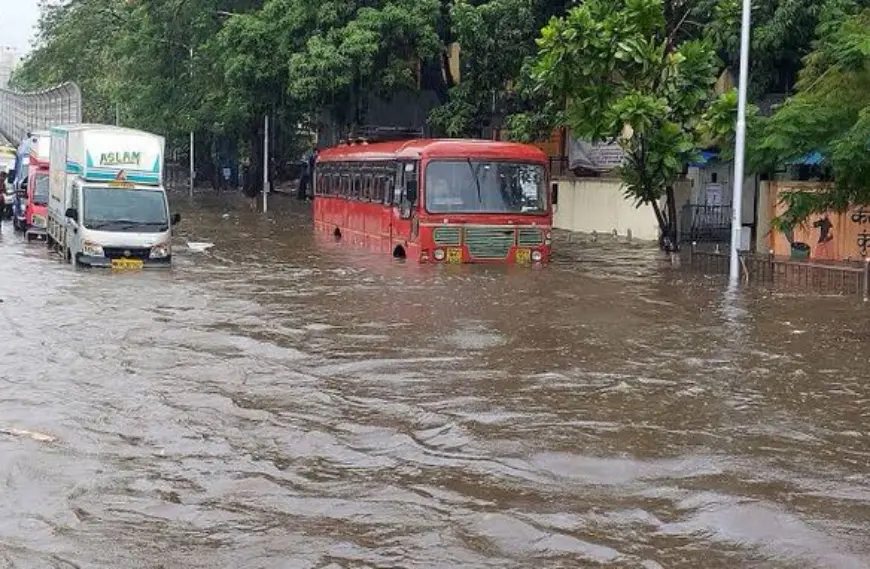
For Mumbai residents, the heavy September rains have brought a wave of relief. The city’s seven lakes, which supply drinking water to more than 1.8 crore people, are now filled to 99.29 per cent of their total storage capacity. This remarkable rise in water levels means that the city is unlikely to face water cuts in the coming season.
A season of relief
Just weeks ago, the picture looked worrying. A slow start to the monsoon had raised fears of shortages, and the Brihanmumbai Municipal Corporation (BMC) had hinted at possible restrictions if levels did not improve. Families were preparing for reduced supply, and tanker operators expected increased demand. But strong spells of rain through mid and late September turned the situation around.
Lakes nearing the brim
Mumbai depends on seven reservoirs: Bhatsa, Upper Vaitarna, Modak Sagar, Tansa, Tulsi, Vihar, and Middle Vaitarna. Recent civic data shows that all of them are near full capacity, with some already overflowing. Bhatsa, which provides the largest share of water to the city, is comfortably filled. Smaller lakes like Tulsi and Vihar, located within the city limits, have also reached the brim. Together, they secure the city’s water needs for the next few months.
What it means for citizens
For households, full reservoirs mean steady and reliable water supply. Daily life is easier when families do not have to worry about reduced timings or tanker costs. The festival season, often marked by high water usage, will be more comfortable this year. A stable supply also supports hygiene and reduces health risks, especially at a time when waterborne diseases can spread quickly.
Challenges remain
Experts caution that while the lakes are nearly full, Mumbai’s water challenges are far from solved. The city loses a significant share of its supply to leakages in old pipelines. Uneven distribution between different wards means some areas still face shortages even in good rainfall years. High demand, fuelled by population growth and urban expansion, continues to put pressure on resources. Long-term solutions, including conservation and better management, are essential.
For now, however, the news is positive. The rains may have caused flooding, traffic jams, and inconvenience, but they have also ensured that Mumbai enters the next season with full reservoirs. With taps expected to run smoothly across most homes, Mumbaikars can take comfort in knowing that water scarcity will not be a concern at least until the next monsoon cycle.
