







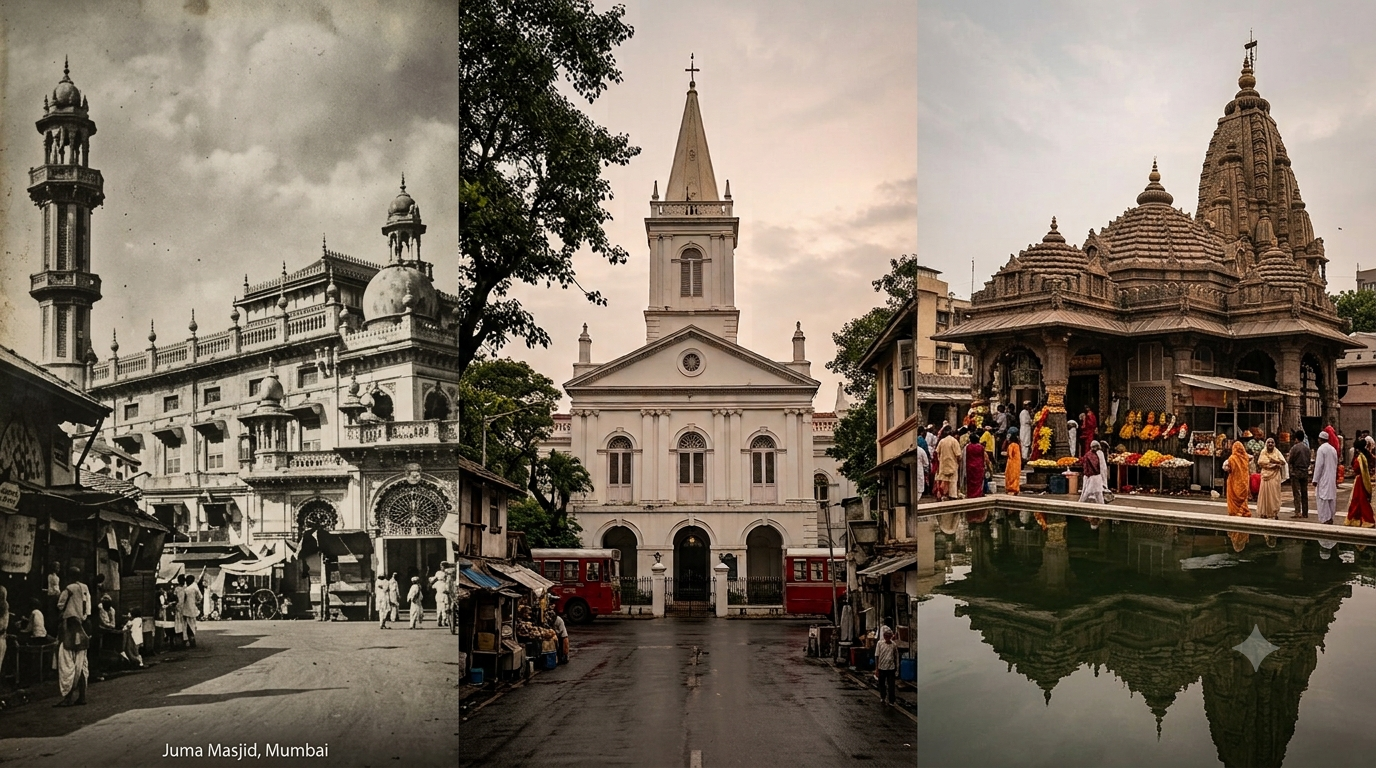
Mumbai is often associated with its towering skyscrapers, busy local trains and fast-paced lifestyle. But beyond the city’s modern skyline lie places of worship that have stood the test of time for more than two centuries. Long before Mumbai became India’s financial capital, these churches, temples and mosques were already part of its landscape, witnessing the city’s transformation from a cluster of seven islands into the bustling metropolis it is today. Built during different periods under Portuguese, British and local rulers, these historic landmarks are more than just places of prayer. They reflect Mumbai’s rich cultural heritage, architectural beauty and the diverse communities that have shaped the city for generations. Today, they continue to welcome thousands of devotees and visitors while preserving stories from Mumbai’s remarkable past.
St. Thomas Cathedral, Fort

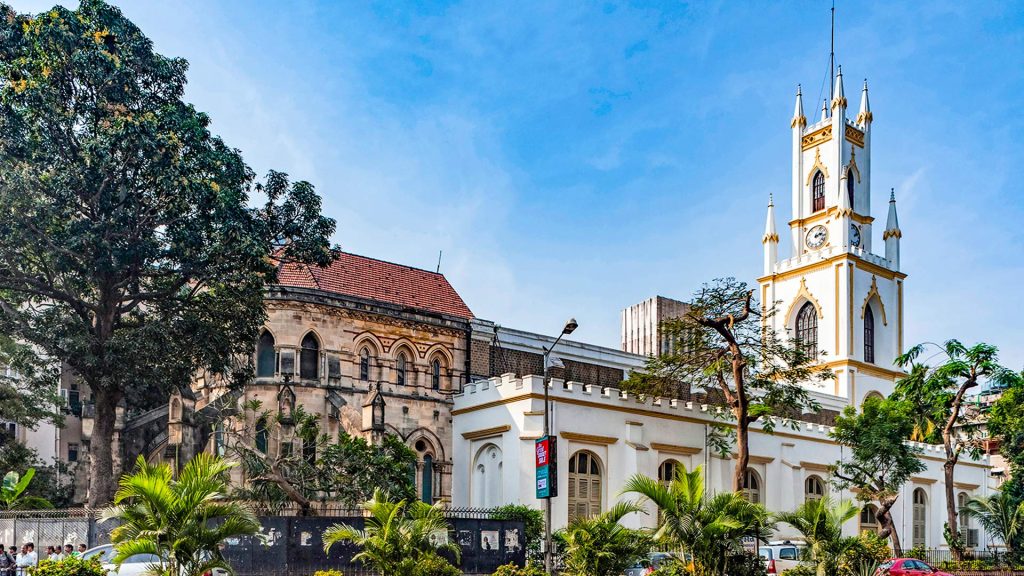
Located in the heart of South Mumbai, St. Thomas Cathedral is one of the city’s oldest churches. The foundation stone was laid in 1676 and the church was consecrated in 1718 during the British era. It was the first Anglican church in Mumbai and later became a cathedral. The area around it also gave Mumbai one of its most famous names, Churchgate. With its white colonial architecture, stained glass windows and historic memorials, the cathedral remains a reminder of Mumbai’s early colonial past.
St. Andrew’s Church, Bandra

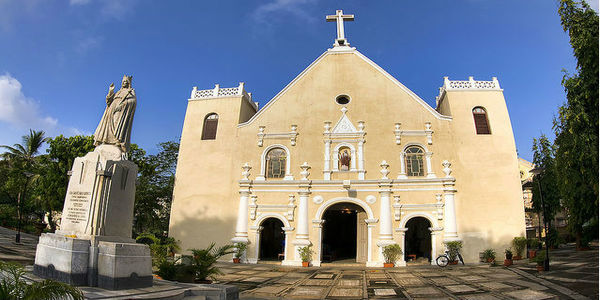
Standing near the Bandra coastline, St. Andrew’s Church is one of Mumbai’s oldest churches. Built by Portuguese Jesuits in 1575, the church has been a major part of Bandra’s heritage for centuries. Its Portuguese-style architecture and peaceful surroundings make it one of the city’s most recognised historic landmarks. The church has witnessed Bandra’s transformation from a quiet coastal village into one of Mumbai’s busiest suburbs.
Our Lady of Good Counsel Church, Sion
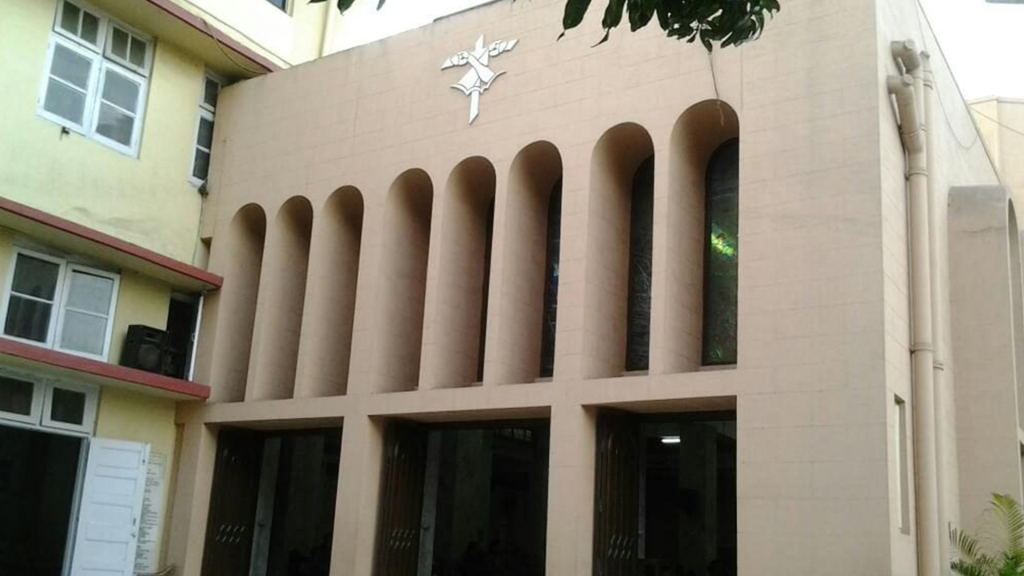
Built in 1596 by Portuguese Franciscans, the Church of Our Lady of Good Counsel and Shrine of St. Anthony is among Mumbai’s oldest churches. Originally known as Nossa Senhora de Bom Concelho, the church reflects the Portuguese influence that shaped parts of Mumbai’s history. The church continues to serve the local community while preserving its historic identity.
Juma Masjid, Bhendi Bazaar

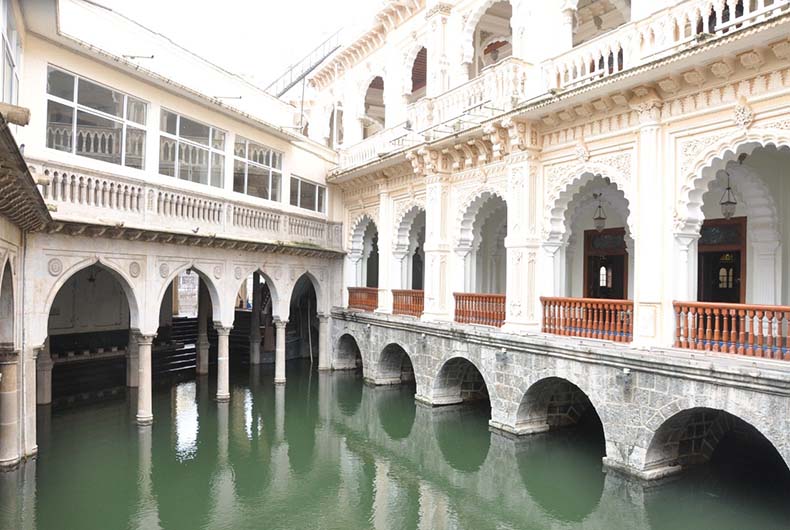
Located near Crawford Market and Zaveri Bazaar, Juma Masjid is one of Mumbai’s oldest mosques. The mosque dates back to 1802 and is known for its unique architecture, including its construction over a water reservoir supported by stone arches. For more than two centuries, the mosque has remained an important religious and cultural centre in the city.
Babulnath Temple, Girgaon

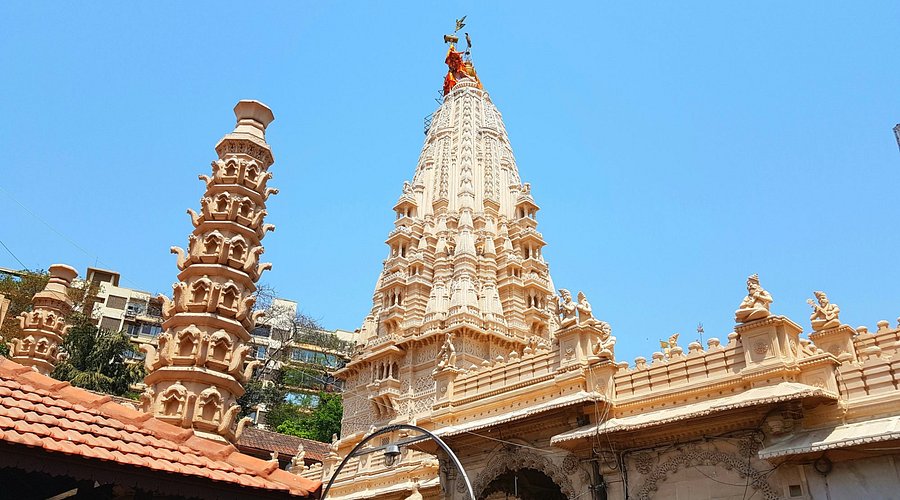
Perched on a small hill near Girgaon Chowpatty, Babulnath Temple is one of Mumbai’s oldest Shiva temples. The temple is believed to have origins dating back several centuries and has been a major pilgrimage site for devotees visiting the city. Its traditional architecture and location overlooking South Mumbai make it one of the city’s most iconic religious landmarks.

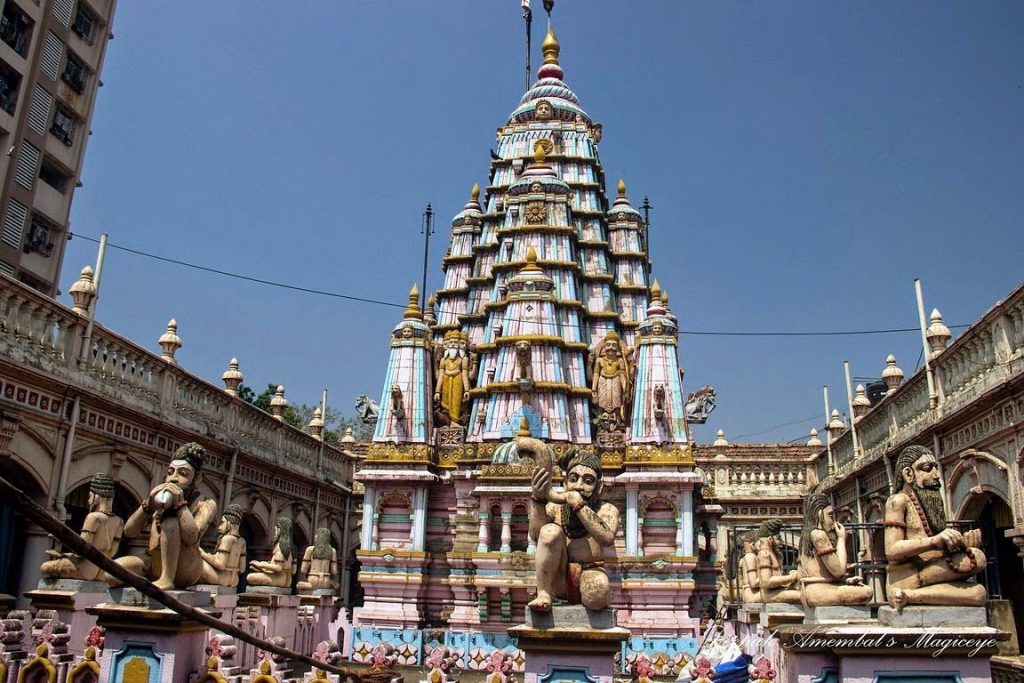
Mumbadevi Temple, Bhuleshwar
The temple dedicated to Goddess Mumbadevi holds a special place in Mumbai’s history because the city itself gets its name from the deity. Located in the busy Bhuleshwar area, the temple has been associated with Mumbai’s cultural identity for generations.
Siddhivinayak Temple, Prabhadevi

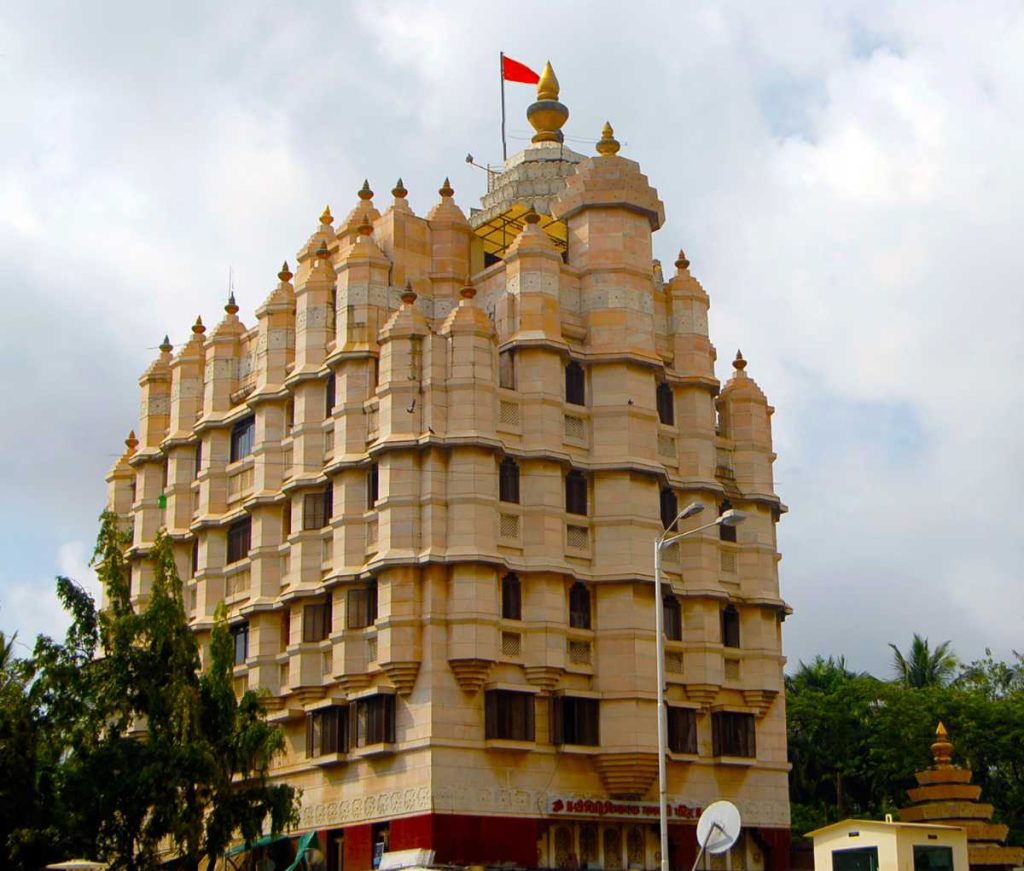
While the current Siddhivinayak Temple structure has undergone changes over time, the shrine’s history goes back over 200 years. The temple’s first major renovation is recorded in 1801, and today it remains one of Mumbai’s most visited religious sites. From colonial churches to ancient temples and historic mosques, these places of worship are not just spiritual centres but also living museums of Mumbai’s journey through centuries. They continue to connect the city’s present with its fascinating past.
Subscribe Deshwale on YouTube


