









They glide through the night like ghosts, unheard and unseen, yet always watching. Owls have long stirred human curiosity with their eerie calls and piercing eyes. These nocturnal hunters are more than just a symbol of mystery – they are highly specialised predators, finely tuned for life in the dark. With silent wings, night vision, and laser-sharp hearing, owls rule the skies after sunset.
Eyes That Rule the Dark
An owl’s eyes are massive for its body size. In some species, the eyes weigh up to three percent of the bird’s total weight. Packed with rod cells, their eyes work exceptionally well in low light.
Since their eyes can’t move in the sockets, owls turn their heads to look around. Some can rotate their necks as far as 270 degrees. Many believe owls can’t see during the day, but that’s a myth. Most species see well in daylight too.
Hearing in the Shadows
Owls don’t always need to see to catch prey. Their sense of hearing is advanced. Some have uneven ear openings, which help detect sound direction and distance.
Barn owls, in particular, can locate a mouse hidden under snow just by listening. This makes them one of the most precise hunters in the animal world.
Feathers in Folklore
Owls have inspired myths across the globe. In ancient Greece, they symbolised wisdom and were linked to the goddess Athena. In Native American stories, they can be messengers or protectors. In some African and European cultures, owls are seen as omens or signs of death.
Despite the fear in some traditions, many people also view owls as symbols of knowledge and mystery.
So Many Owls, So Little Noise
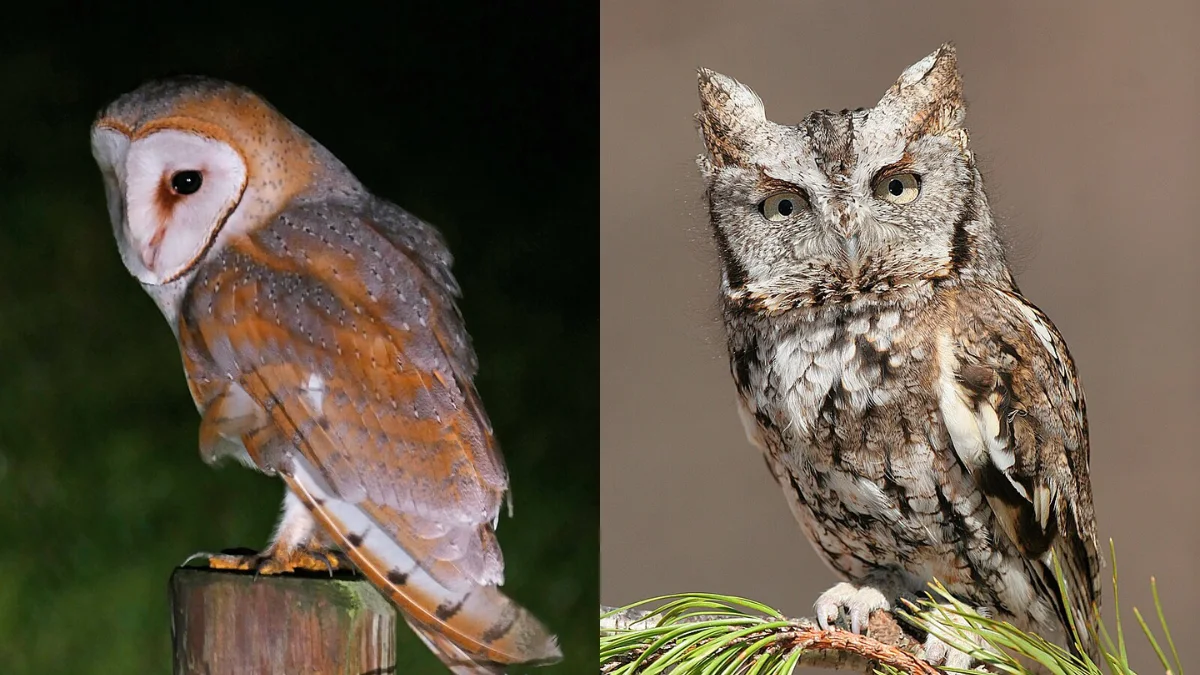
There are over 230 species of owls across the world. They are split into two main families. Strigidae includes horned owls and screech owls. Tytonidae is made up of barn owls, which have heart-shaped faces.
Some standout species include the Eurasian eagle-owl with a wingspan over two metres, the great grey owl with a disc-like face, and the burrowing owl that nests underground.
Nature’s Pest Control
Owls are vital to the ecosystem. They keep rodent and insect numbers in check. This helps protect crops and reduces the spread of disease. Many farmers install owl boxes to encourage nesting instead of using harmful chemicals.
A drop in owl populations often signals larger environmental problems like habitat destruction or pollution.
Under Threat
Owls face several dangers. Deforestation removes their nesting and hunting areas. Pesticides poison the food they eat. Road traffic and power lines pose serious risks. Climate change also affects their feeding and breeding cycles.
Conservation groups work to protect their habitats and educate people. Campaigns also aim to break harmful superstitions and promote coexistence.
Owls are more than birds of the night. They are silent guardians of balance, warning signs of ecosystem health, and a constant source of fascination.


